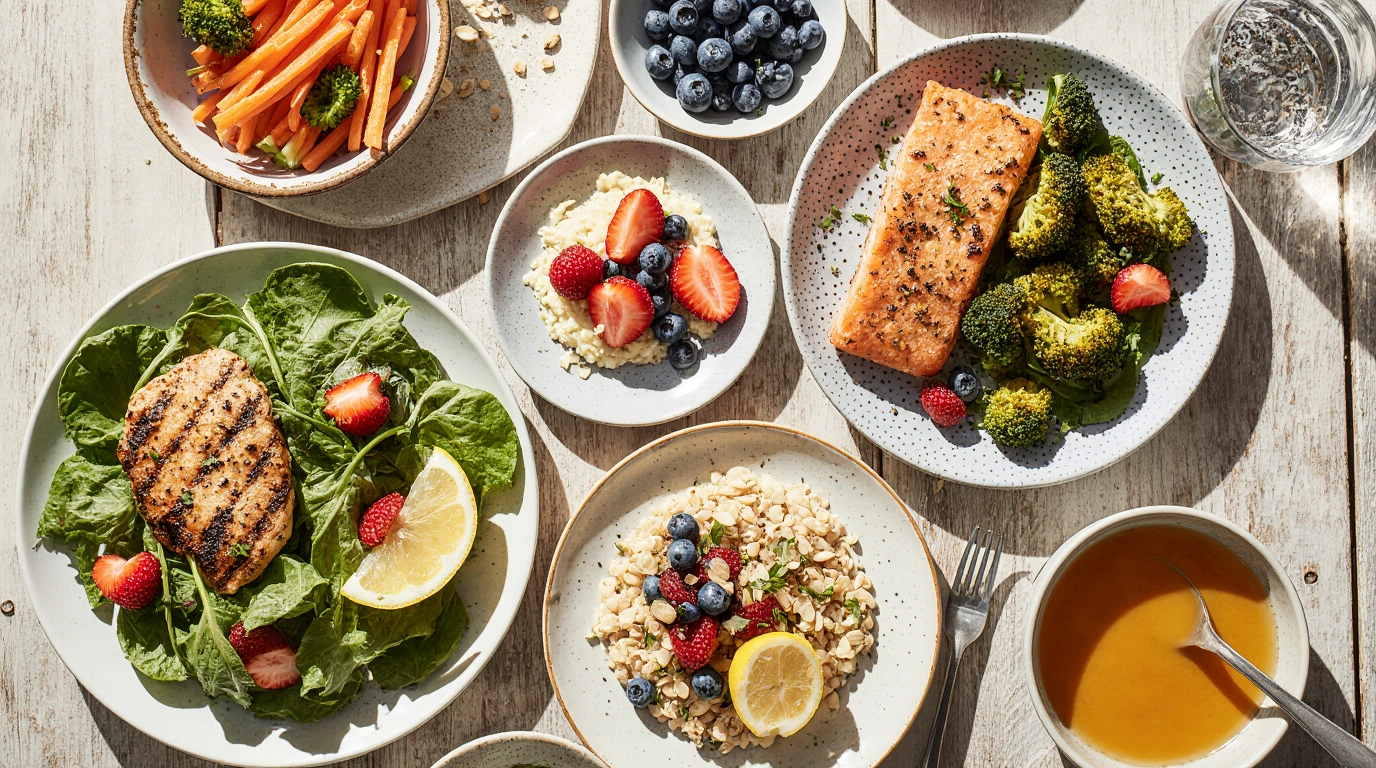
1500 Calorie Meal Plan for Weight Loss: Easy & Balanced Daily Menu
Table of Contents
Losing weight can often feel like navigating a maze—you want results, but the process seems confusing and overwhelming. You may find yourself juggling conflicting advice, fad diets, and endless “quick fixes” that promise results but leave you hungry and frustrated. The good news is, you don’t have to overcomplicate things. A 1500 calorie meal plan offers a practical, structured approach that helps you lose weight while still enjoying tasty, satisfying meals. With a thoughtfully designed plan, you can achieve your goals without feeling deprived, all while fueling your body with the nutrients it needs.
What is a 1500 Calorie Meal Plan?
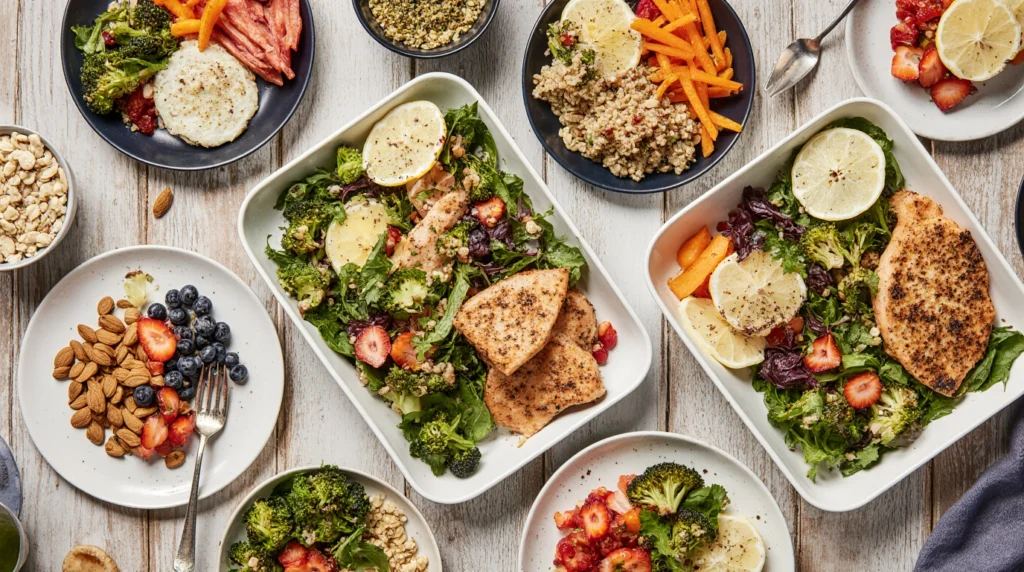
A 1500 calorie meal plan is a carefully structured daily menu that provides around 1,500 calories while maintaining balance across macronutrients—protein, carbohydrates, and fats. It is designed to create a moderate caloric deficit, helping most adults gradually lose weight without compromising energy or nutrient intake.
Following a structured meal plan like this can make your weight loss journey easier. Instead of guessing what to eat or worrying about portion sizes, you have a clear guide to follow. This approach ensures you stay on track, enjoy a variety of foods, and maintain your energy throughout the day.
Key Benefits:
- Promotes steady, sustainable weight loss
- Maintains energy and focus
- Supports overall health with balanced nutrients
- Reduces decision fatigue by offering a clear eating structure
Sources: Nutritionists and dietitians often recommend moderate-calorie meal plans for safe weight loss. Research consistently supports gradual calorie reduction as the most sustainable approach for long-term results.
Benefits of a 1500 Calorie Diet for Weight Loss
Following a 1500 calorie diet can provide several significant benefits that make your weight loss journey more effective and sustainable. Here’s what you can expect:
1. Supports Gradual and Sustainable Weight Loss
Consuming around 1500 calories per day usually creates a moderate caloric deficit for most adults. This helps you lose weight steadily without drastic hunger or fatigue, which is essential for maintaining long-term results.
2. Promotes Balanced Nutrition
Unlike extreme diets that eliminate entire food groups, a 1500 calorie diet allows you to eat a variety of nutrient-rich foods. You can enjoy lean proteins, complex carbohydrates, healthy fats, and plenty of fruits and vegetables, ensuring your body gets all the essential vitamins and minerals.
3. Helps Preserve Muscle Mass
Including adequate protein in your 1500 calorie meal plan supports muscle maintenance while losing fat. Preserving lean muscle is crucial for a healthy metabolism and a toned appearance as you lose weight.
4. Enhances Energy Levels and Mood
A well-balanced 1500 calorie diet provides consistent energy throughout the day. By avoiding extreme calorie cuts, you reduce fatigue, irritability, and mood swings, helping you stay productive and focused.
5. Reduces Risk of Overeating
Eating smaller, balanced meals regularly can prevent extreme hunger, which often leads to overeating or choosing unhealthy snacks. A structured 1500 calorie meal plan guides you to portion-controlled, satisfying meals.
6. Flexible and Adaptable
A 1500 calorie plan is versatile. Whether you’re vegetarian, vegan, or prefer a mix of animal and plant-based proteins, you can tailor the diet to your preferences while staying within your calorie limit.
Tip: Pair your 1500 calorie meal plan with regular physical activity, like walking, strength training, or yoga, to maximize weight loss and improve overall health.
How to Structure Your Daily 1500 Calorie Meal Plan
Macronutrient Breakdown
To make your meals balanced and effective, consider this general macronutrient guideline:
- Protein: 30–35% of daily calories
- Carbohydrates: 40–45%
- Fats: 20–25%
Protein helps preserve muscle mass during weight loss, while complex carbs and healthy fats provide sustained energy.
Sample Daily Schedule
| Meal | Food Example | Calories | Notes |
|---|---|---|---|
| Breakfast | Greek yogurt + berries + oats | 350 | High protein + fiber |
| Snack | Apple + 10 almonds | 150 | Healthy fat + fiber |
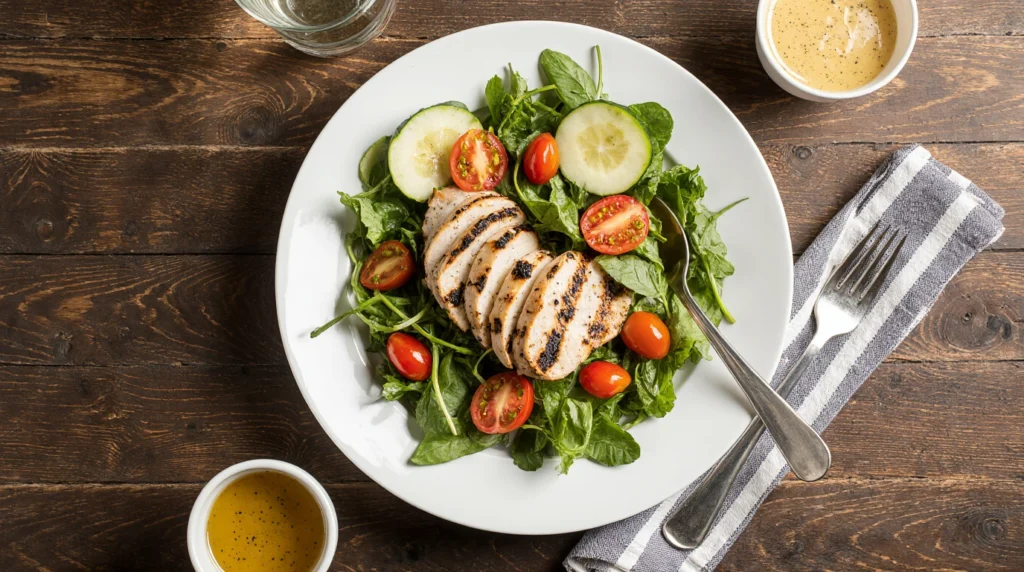
| Lunch | Grilled chicken salad | 400 | Protein + vegetables |
| Snack | Carrot sticks + hummus | 100 | Low-calorie, filling |
| Dinner | Baked salmon + quinoa + broccoli | 500 | Balanced & satisfying |
Tips for Meal Prep:
- Plan meals a week in advance to stay on track
- Batch cook proteins and grains to save time
- Use portioned containers to control servings
- Track calories if needed with apps to ensure accuracy
Easy 1500 Calorie Meal Plan Recipes
Eating on a 1500 calorie meal plan doesn’t have to be boring or complicated. Here are simple, delicious recipes you can follow to stay within your calorie goal while enjoying balanced nutrition.
Breakfast Ideas
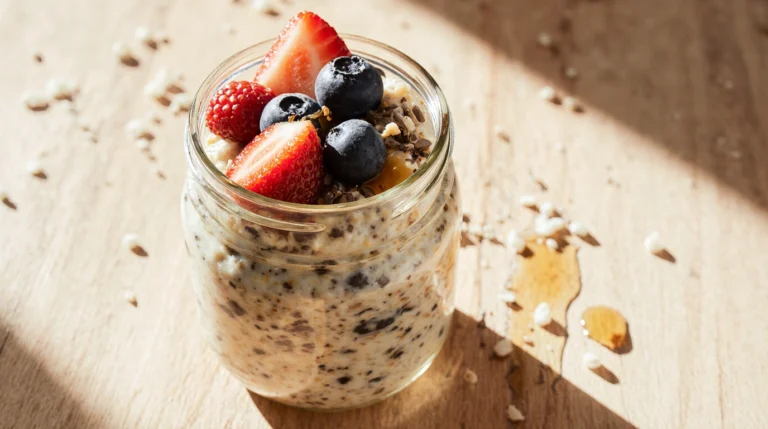
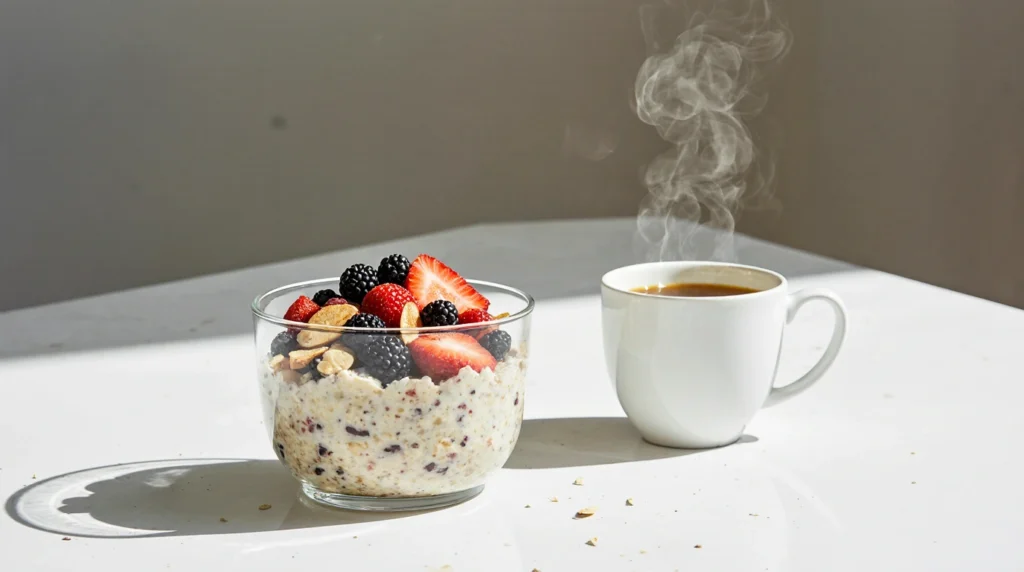
1. Overnight Oats with Berries and Almonds
- Ingredients:
- ½ cup rolled oats
- ½ cup Greek yogurt
- ½ cup mixed berries
- 10 almonds, chopped
- Calories: ~350
- Why It Works: High in fiber and protein, keeps you full until your morning snack.
2. Vegetable Omelet with Whole-Grain Toast
- Ingredients:
- 2 eggs
- ½ cup spinach
- ¼ cup diced bell peppers
- 1 slice whole-grain toast
- Calories: ~300
- Why It Works: Protein-rich breakfast to boost metabolism and energy.
Lunch Ideas
1. Grilled Chicken Salad
- Ingredients:
- 4 oz grilled chicken breast
- 2 cups mixed greens
- ½ cup cherry tomatoes
- 1 tsp olive oil
- Calories: ~400
- Why It Works: Lean protein plus fiber-rich vegetables for sustained energy.
2. Quinoa and Roasted Vegetable Bowl
- Ingredients:
- ½ cup cooked quinoa
- 1 cup roasted zucchini, bell peppers, and carrots
- 1 tbsp feta cheese (optional)
- Calories: ~350
- Why It Works: Balanced carbs, protein, and fiber for fullness and nutrients.
Dinner Ideas
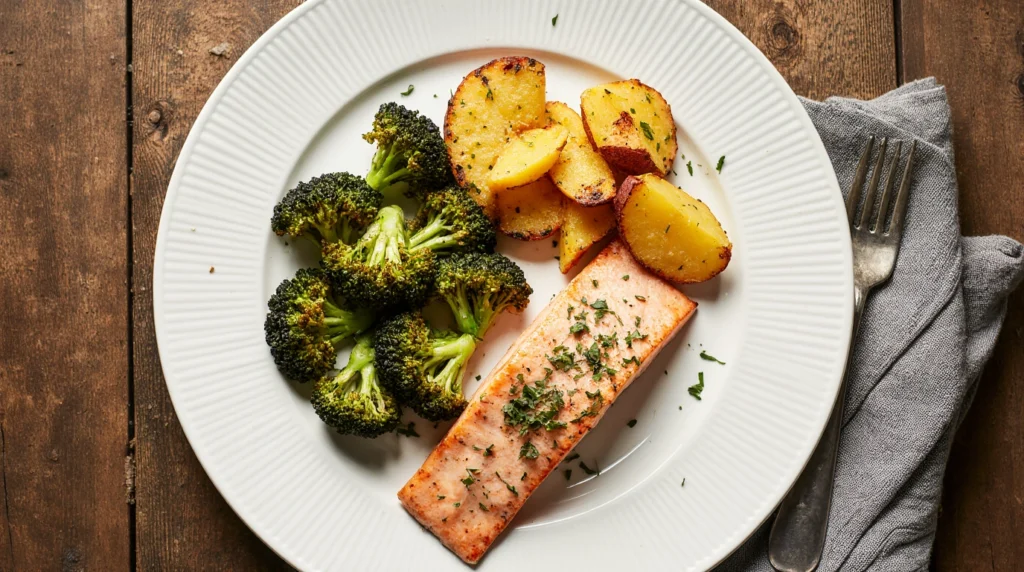
1. Baked Salmon with Broccoli and Sweet Potato
- Ingredients:
- 4 oz salmon fillet
- 1 cup steamed broccoli
- ½ medium baked sweet potato
- Calories: ~500
- Why It Works: Rich in omega-3 fatty acids and lean protein for muscle maintenance.
2. Stir-Fried Tofu with Brown Rice and Vegetables
- Ingredients:
- ½ cup firm tofu
- ½ cup cooked brown rice
- 1 cup mixed vegetables (broccoli, bell peppers, carrots)
- 1 tsp soy sauce or seasoning
- Calories: ~450
- Why It Works: Plant-based protein with fiber and complex carbs for satiety.
Snack Ideas
- Greek yogurt with berries (~100 calories)
- Carrot or cucumber sticks with 2 tbsp hummus (~100 calories)
- Hard-boiled egg (~70 calories)
- Handful of almonds (~100 calories)
Meal Plan Table (Sample Day)
| Meal | Recipe | Calories | Notes |
|---|---|---|---|
| Breakfast | Overnight oats + berries + almonds | 350 | High fiber + protein |
| Snack | Apple + 10 almonds | 150 | Healthy fat + fiber |
| Lunch | Grilled chicken salad | 400 | Lean protein + veggies |
| Snack | Carrot sticks + hummus | 100 | Low-calorie, filling |
| Dinner | Baked salmon + broccoli + sweet potato | 500 | Balanced + satiating |
Tips for Making Recipes Easy:
- Batch prep ingredients: Chop veggies and cook proteins ahead of time.
- Use simple seasonings: Herbs, spices, and lemon juice add flavor without extra calories.
- Swap ingredients: Customize based on taste or dietary preferences while keeping calories in check.
Tips to Stick to Your 1500 Calorie Meal Plan
- Drink water regularly to stay full and hydrated.
- Avoid mindless snacking by keeping healthy snacks ready.
- Prep meals ahead of time to reduce decision fatigue.
- Track your intake to ensure consistency with the plan.
- Listen to your body—adjust portions slightly if you feel hungry or overly full.
Common Mistakes to Avoid on a 1500 Calorie Diet
Following a 1500 calorie meal plan can be highly effective for weight loss—but only if you do it correctly. Many people unintentionally make mistakes that slow progress or lead to frustration. By being aware of these pitfalls, you can stay on track and achieve your goals safely.
1. Skipping Meals
- Why it’s a problem: Skipping meals may seem like an easy way to cut calories, but it often backfires. It can lead to extreme hunger, poor food choices, and overeating later in the day.
- How to avoid it: Stick to a consistent eating schedule, including breakfast, lunch, dinner, and healthy snacks.
2. Relying on Processed “Low-Calorie” Foods
- Why it’s a problem: Many packaged “diet” or “low-calorie” foods are low in nutrients and high in artificial ingredients. They may keep calories low but don’t provide lasting fullness or essential vitamins.
- How to avoid it: Focus on whole, minimally processed foods like lean proteins, vegetables, fruits, whole grains, and healthy fats.
3. Not Getting Enough Protein or Fiber
- Why it’s a problem: Protein and fiber are critical for satiety, muscle maintenance, and digestive health. Without enough, you may feel hungry more often and risk losing lean muscle mass.
- How to avoid it: Include protein-rich foods (chicken, fish, tofu, eggs, Greek yogurt) and fiber-rich foods (vegetables, fruits, legumes, whole grains) in every meal.
4. Ignoring Hydration
- Why it’s a problem: Thirst is often mistaken for hunger, which can lead to unnecessary snacking or overeating. Dehydration can also reduce energy and focus.
- How to avoid it: Drink plenty of water throughout the day—aim for at least 8 cups (64 oz) daily, more if you exercise or live in a hot climate.
5. Not Tracking Portions
- Why it’s a problem: Even healthy foods can add up if portions are too large. Without measuring or tracking, you may unintentionally exceed your 1500 calorie limit.
- How to avoid it: Use a food scale, measuring cups, or a calorie-tracking app to ensure accurate portions.
6. Setting Unrealistic Expectations
- Why it’s a problem: Expecting rapid weight loss can be discouraging and may lead to giving up too soon.
- How to avoid it: Aim for gradual, sustainable weight loss (0.5–2 pounds per week). Focus on consistency and long-term habits rather than quick fixes.
Pro Tip: Avoiding these mistakes will not only help you stick to your 1500 calorie meal plan, but it will also make your weight loss journey healthier, more sustainable, and less stressful.
Frequently Asked Questions (FAQ)
Can a 1500 calorie meal plan help women lose weight safely?
Yes. For many women, a 1500 calorie plan creates a safe caloric deficit while providing essential nutrients to support metabolism and energy levels.
Can men follow the same plan?
Men may need slightly more calories depending on activity level and body size. You can adjust by adding healthy snacks or slightly increasing portion sizes while keeping macronutrient balance.
What if I feel hungry during the day?
Focus on fiber-rich vegetables, lean proteins, and water. Low-calorie snacks like cucumber sticks or a small serving of nuts can help curb hunger without exceeding calorie limits.
Can I switch recipes daily?
Absolutely. Variety is key to adherence. Just ensure your total daily intake stays around 1500 calories, and include a balance of protein, carbs, and fats.
Conclusion
Following a 1500 calorie meal plan is a practical, sustainable, and effective approach to weight loss. By planning your meals, preparing ahead, and choosing nutrient-dense foods, you can enjoy satisfying meals while steadily shedding pounds. Remember, consistency is key—you don’t need perfection, just a plan you can stick to.
Call-to-Action: Start your journey today by creating your first 1500 calorie menu. Use the sample recipes and tips above to simplify your meal planning, stay motivated, and enjoy every step of your weight loss journey. Your healthier, energized self is just a meal plan away!