5 Irresistible Mongolian Beef Recipe You Must Try Today
Table of Contents
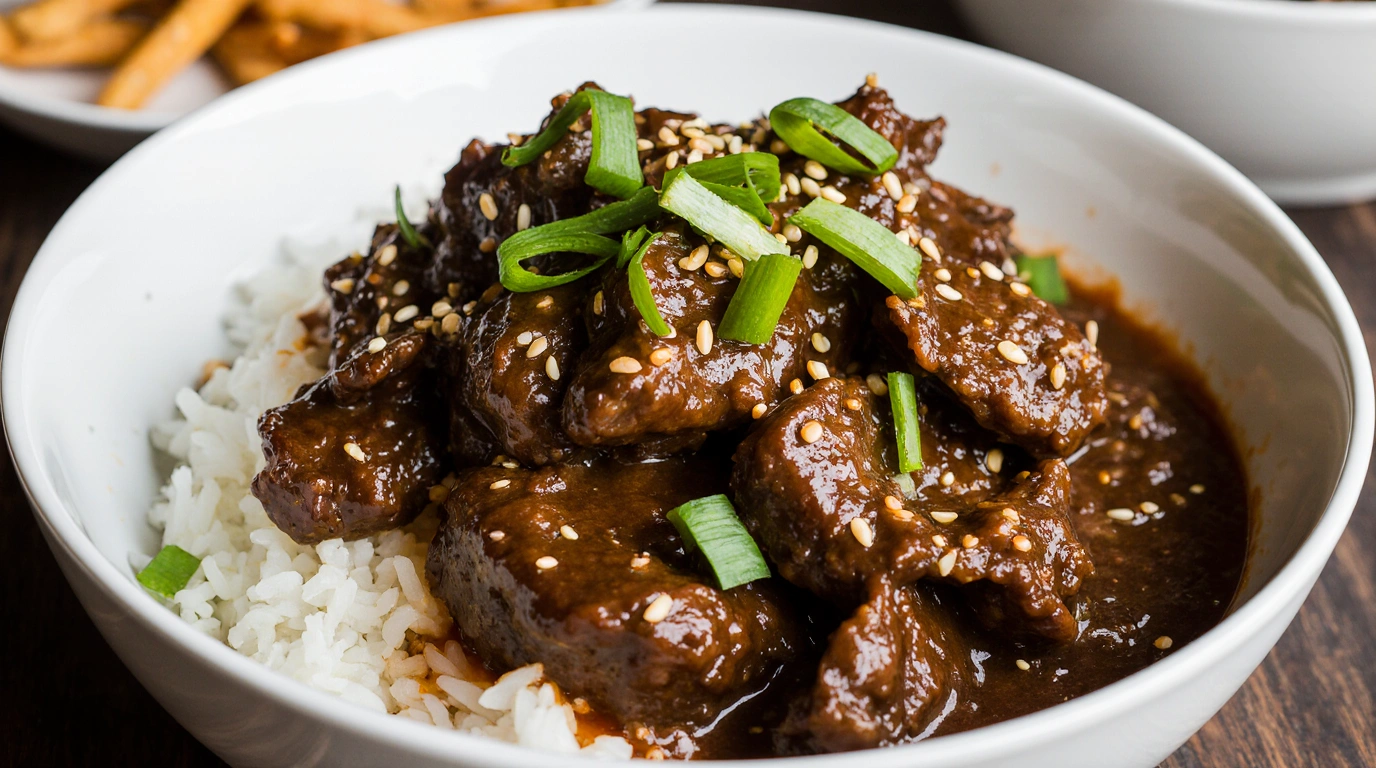
If you’re someone who loves bold, savory flavors that can transform a simple dinner into a memorable feast, then Mongolian Beef is a dish you’ll want to master. Picture this: tender, thinly sliced beef coated in a glossy, sweet-savory sauce, paired with crisp vegetables, all served over a steaming bed of rice or noodles. It’s not just a meal; it’s an experience you can easily recreate at home.
Cooking Mongolian Beef isn’t only about following a recipe—it’s about creating something that delights your senses and impresses anyone you share it with. Whether you’re cooking for yourself, your family, or a group of friends, these five irresistible Mongolian Beef recipes will inspire you to bring bold flavors to your table effortlessly.
Why Mongolian Beef is a Must-Try Dish
Mongolian Beef has earned its reputation as a crowd favorite for several reasons. Originating from Chinese-American cuisine, this dish combines tender beef with a rich, flavorful sauce that balances sweetness, saltiness, and umami.
Here’s why you should add it to your cooking repertoire:
- Flavor Explosion: The combination of soy sauce, garlic, ginger, and brown sugar creates a sauce that’s both savory and slightly sweet, coating every piece of beef with intense flavor.
- Quick to Cook: With thinly sliced beef and fast stir-frying techniques, you can prepare this dish in under 30 minutes, making it perfect for weeknight dinners.
- Versatility: You can enjoy it with rice, noodles, or even in wraps. Vegetables can be added to suit your taste or nutritional preferences.
- Nutrition: Beef is rich in protein, and when paired with fresh vegetables, Mongolian Beef can become a balanced, wholesome meal.
Essential Ingredients for the Perfect Mongolian Beef
Choosing the Right Beef
The key to tender Mongolian Beef lies in the beef itself. Thinly sliced flank or sirloin is ideal because it cooks quickly and absorbs the sauce beautifully. Avoid thick cuts, as they may become chewy.
Pro Tip: Freeze the beef for 20-30 minutes before slicing; this makes it easier to cut thin, uniform strips.
Flavorful Sauces and Seasonings
The sauce is what elevates Mongolian Beef from good to unforgettable. Key ingredients include:
- Soy Sauce: Opt for low-sodium varieties for better control over saltiness.
- Brown Sugar: Adds sweetness and helps caramelize the beef.
- Garlic & Ginger: Essential aromatics that deepen flavor.
- Optional: Hoisin sauce or oyster sauce for added richness.
Optional Add-Ons
Vegetables can enhance both nutrition and texture:
- Broccoli, bell peppers, or snow peas for color and crunch
- Green onions for freshness
- Sesame seeds or chili flakes for garnish
Ingredients Table Example
| Ingredient | Quantity | Notes |
|---|---|---|
| Thin sliced beef | 1 lb | Flank or sirloin recommended |
| Soy sauce | ½ cup | Low-sodium |
| Brown sugar | ⅓ cup | Adjust based on taste |
| Garlic | 3 cloves | Minced |
| Ginger | 1 tbsp | Freshly grated |
5 Irresistible Mongolian Beef Recipes
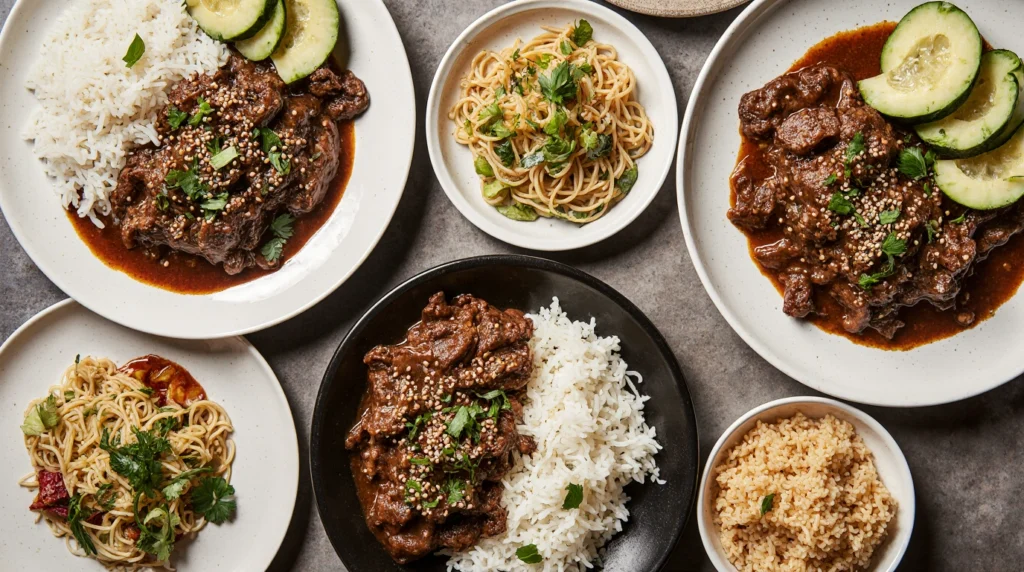
1. Classic Mongolian Beef Recipe
- Step-by-Step Instructions:
- Marinate thinly sliced beef in soy sauce, a pinch of cornstarch, and a little sugar for 10-15 minutes.
- Stir-fry garlic and ginger in hot oil until fragrant.
- Add beef and cook until browned.
- Pour in sauce mixture (soy sauce + brown sugar + optional oyster sauce).
- Simmer for 2-3 minutes until sauce thickens.
- Tips: Avoid overcooking; the beef should remain tender.
2. Quick & Easy Mongolian Beef
- Perfect for busy evenings.
- Use pre-sliced beef and ready-made sauce to cut prep time in half.
- Pair with microwaveable rice for a fast, satisfying meal.
3. PF Chang’s Style Mongolian Beef at Home
- Recreate the restaurant favorite by focusing on sugar balance and sauce thickness.
- Use a touch of cornstarch to achieve that glossy, restaurant-quality finish.
- Add thinly sliced onions and scallions for authenticity.
4. Healthy Mongolian Beef Recipe
- Reduce sugar and add extra vegetables like broccoli or carrots.
- Swap regular beef with lean cuts to cut fat content.
- Serve over brown rice or cauliflower rice for a lower-carb option.
5. Spicy Mongolian Beef Twist
- Add fresh chilies or Sriracha to the sauce.
- Adjust the spice level according to your taste.
- Garnish with sesame seeds and green onions for added texture.
Serving Suggestions for Mongolian Beef
Once your Mongolian Beef is ready, presenting it in the right way can elevate the meal experience. Here are some ideas to make your dish not only delicious but also visually appealing:
Pair with Rice or Noodles
- Steamed white rice: Classic and simple, the perfect base to soak up the savory sauce.
- Fried rice: Adds extra flavor and texture for a more indulgent meal.
- Noodles: Serve over egg noodles or lo mein for a hearty, restaurant-style dish.
Add Vegetables
- Stir in broccoli, bell peppers, or snap peas for color, crunch, and nutrition.
- Lightly sauté or steam vegetables to maintain their vibrant color and crispness.
Garnishes to Enhance Flavor
- Green onions: Sprinkle chopped green onions on top for freshness and aroma.
- Sesame seeds: Add a nutty flavor and appealing texture.
- Chili flakes or fresh chili slices: Optional, for those who like a spicy kick.
Side Dish Ideas
- Simple cucumber salad or Asian-style slaw can add a refreshing contrast.
- Steamed or roasted vegetables for a balanced meal.
- Dumplings or spring rolls to turn it into a complete Asian-inspired feast.
Serving Tips
- Serve immediately while hot to enjoy the sauce at its best consistency.
- For meal prep, keep sauce and beef separate until reheating to preserve texture.
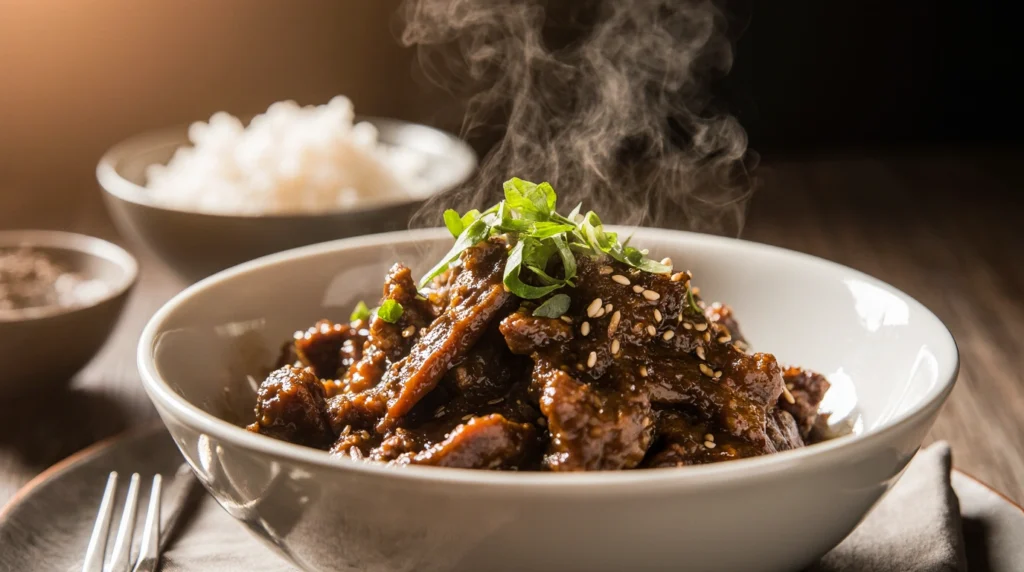
Pro Tip: Experiment with presentation—serve Mongolian Beef in a shallow bowl over rice with garnishes carefully placed on top. This not only makes it Instagram-worthy but also enhances the dining experience.
Tips for Perfecting Your Mongolian Beef
Even a great recipe can be elevated with a few expert tips. Follow these techniques to ensure your Mongolian Beef turns out tender, flavorful, and restaurant-quality every time:
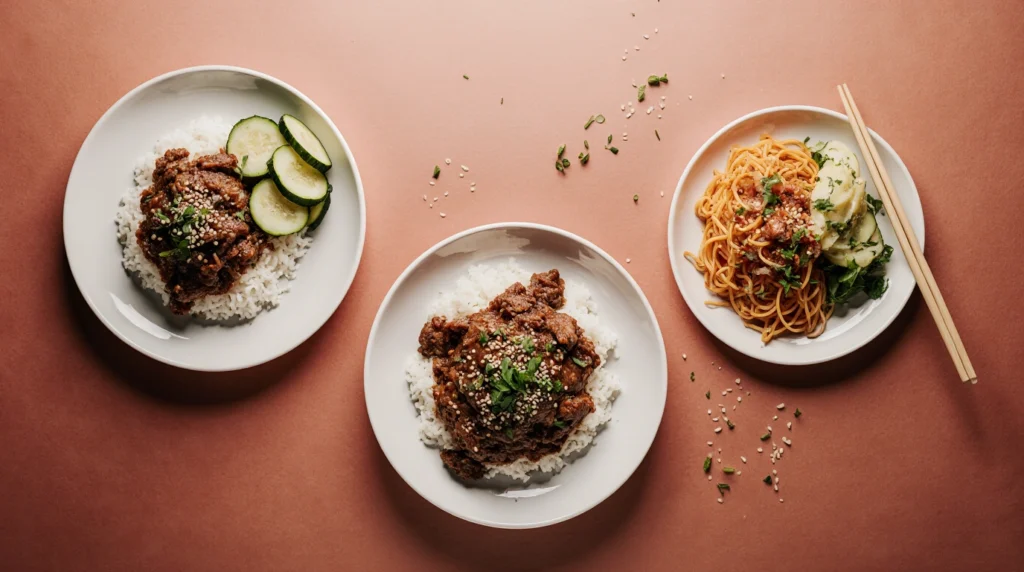
1. Choose the Right Cut of Beef
- Thin sliced flank or sirloin is ideal for quick cooking and tenderness.
- Freeze the beef for 20–30 minutes before slicing; this makes it easier to cut uniform, thin strips.
2. Don’t Overcook the Beef
- Cook on high heat for a short time.
- Overcooked beef becomes chewy; aim for just-browned edges while keeping the inside tender.
3. Perfect Your Sauce
- Balance sweetness and saltiness to match your taste preference.
- Mix soy sauce, brown sugar, and optional oyster or hoisin sauce to achieve a glossy, rich coating.
- Thicken with cornstarch slurry for that classic restaurant-style sheen.
4. Layer Flavors
- Stir-fry aromatics like garlic and ginger first to release their fragrance.
- Add vegetables at the right time—soften them slightly but keep them crisp for texture.
5. Serving & Storage Tips
- Serve immediately for the best flavor and sauce consistency.
- For leftovers, store beef and sauce separately to prevent the meat from becoming soggy.
- Reheat gently in a skillet or microwave on medium heat, stirring occasionally.
6. Experiment and Personalize
- Adjust spice level by adding chili flakes or fresh chili for a spicy twist.
- Mix in vegetables like bell peppers, broccoli, or snow peas for added nutrition.
- Garnish with sesame seeds or chopped green onions to enhance flavor and presentation.
Pro Tip: A quick stir-fry over high heat ensures the beef remains tender while the sauce clings beautifully. Don’t rush this step—it’s the key to authentic, restaurant-quality Mongolian Beef at home.
Frequently Asked Questions (FAQ)
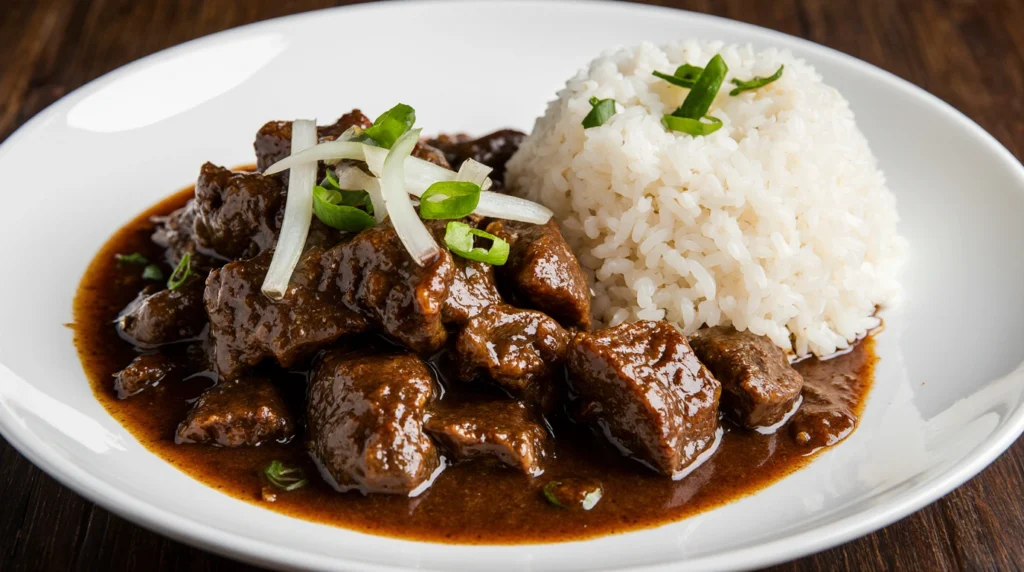
What cut of beef is best for Mongolian Beef?
For the most tender results, use thin sliced flank or sirloin. These cuts cook quickly and absorb the sauce beautifully, giving you that restaurant-quality texture at home.
Can I make a Mongolian Beef recipe ahead of time?
Yes! Store the beef and sauce separately in airtight containers. Combine them just before reheating to prevent the beef from becoming soggy and to maintain the sauce’s rich flavor.
How do I make Mongolian Beef healthier?
Use lean cuts of beef, reduce the sugar in the sauce, and add extra vegetables such as broccoli, bell peppers, or snow peas. Serving over brown rice or cauliflower rice can also make this classic recipe lighter and more nutritious.
Can I cook Mongolian Beef in a slow cooker?
Yes, but use minimal liquid and cook on low heat to avoid overcooking the beef. Add vegetables near the end of cooking to keep them crisp and colorful.
How can I replicate PF Chang’s Mongolian Beef at home?
Focus on balancing sweetness and saltiness in the sauce and using thin sliced beef. A small amount of cornstarch in the sauce will give it that glossy, signature finish. Don’t forget the thinly sliced onions and scallions for authenticity.
Can Mongolian Beef be made spicy?
Absolutely! Add chili flakes, fresh chilies, or Sriracha to your sauce. Start with small amounts and adjust to taste, ensuring the heat enhances rather than overpowers the dish.
When creating your Mongolian Beef, think about layering flavors—aromatics like garlic and ginger, the right cut of beef, and a well-balanced sauce make all the difference between good and irresistible.
Conclusion
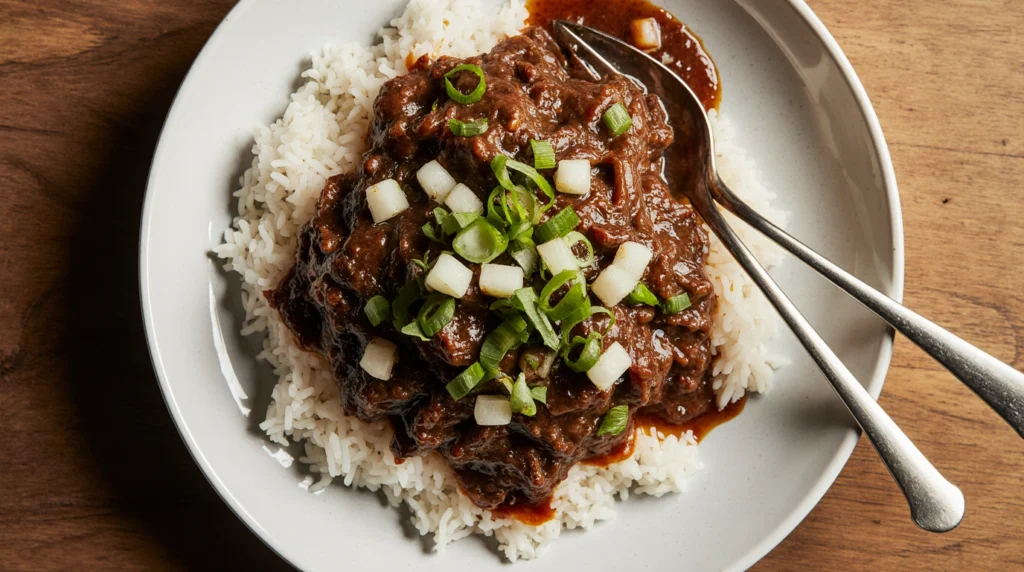
Mongolian Beef is more than a dish—it’s a flavorful experience that brings your meals to life. With these five irresistible recipes, you can enjoy a variety of flavors, from classic to spicy, healthy, or restaurant-style PF Chang’s at home.
Now it’s your turn: pick a recipe, gather your ingredients, and bring the bold, savory taste of Mongolian Beef into your kitchen. Your taste buds—and anyone you share it with—will thank you.
Share your Mongolian Beef creations in the comments below or tag your culinary masterpiece on social media! Experiment, tweak, and make these recipes your own.