
7 Irresistible Souse Meat Recipes You Must Try Today
Table of Contents
Souse meat is more than just a traditional dish; it’s a flavor-packed experience that has been savored in kitchens across the Caribbean for generations. If you’ve never tried making souse meat at home, you’re missing out on a culinary adventure that blends tangy, savory, and spicy flavors into every bite. Whether you’re cooking for your family, hosting friends, or simply exploring new recipes, mastering souse meat will elevate your cooking repertoire.
Cooking souse meat yourself allows you to control the freshness, seasoning, and texture of the meat. By the end of this article, you’ll have seven delicious recipes, detailed tips, and actionable advice to make it like a pro.

What is Souse Meat?
Souse meat is a popular Caribbean dish made from pickled or marinated cuts of pork, such as pig’s feet, hocks, or pig head. Known for its tangy, savory, and sometimes spicy flavor, souse meat is prepared by boiling the meat until tender and then marinating it in a mixture of vinegar, lime juice, onions, peppers, and aromatic herbs.
This dish is often served chilled or at room temperature, making it a favorite for appetizers, festive platters, or family gatherings. Beyond its bold taste, souse meat is protein-rich and nutrient-dense, offering essential vitamins and minerals. By understanding what souse meat is and how it’s prepared, you can start creating authentic Caribbean flavors in your own kitchen.
Nutritional Benefits of Souse Meat
When prepared thoughtfully, souse meat can be a nutritious addition to your diet. Here’s what makes it beneficial:
- Protein-Rich: Essential for muscle repair and energy
- Vitamins & Minerals: Contains iron, zinc, and B vitamins from pork cuts
- Low-Carb Option: Great for anyone following a low-carb or keto-friendly diet
By understanding its nutritional value, you can enjoy souse meat guilt-free, knowing it fuels your body as much as it satisfies your taste buds.
Fundamentals Ingredients for Perfect Souse Meat
Creating souse meat that bursts with flavor starts with using the right ingredients in the right proportions. Each component plays a critical role in achieving the authentic Caribbean taste and perfect texture.
Fresh Cuts of Pork
The foundation of souse meat is always fresh pork, most commonly pig’s feet, hocks, or pig head. These cuts are ideal because they:
- Have a rich gelatinous texture, giving the dish a satisfying mouthfeel
- Absorb marinades well, allowing the flavors to penetrate deeply
- Provide natural collagen, which tenderizes the meat as it cooks
Pro Tip: Choose cuts with a good balance of meat and fat for optimal flavor. Avoid frozen or low-quality meat, as it can affect texture and taste.
Acidic Elements: Vinegar and Lime Juice
The tangy flavor of souse meat comes primarily from vinegar and freshly squeezed lime juice. These acids:
- Tenderize the meat, breaking down connective tissues for a melt-in-your-mouth texture
- Balance the richness of the pork, preventing the dish from tasting greasy
- Enhance preservation, allowing the meat to stay flavorful when chilled
Pro Tip: Use a combination of white or apple cider vinegar and fresh lime juice for a perfectly balanced tang. Avoid bottled lime juice with additives—it can alter the authentic taste.
Aromatics: Onions and Cucumbers
Fresh onions add a subtle sweetness and crunch, while cucumbers introduce a refreshing crispness. Together, they:

- Contrast the richness of the meat, giving every bite a bright, fresh note
- Add texture variety, making the dish more enjoyable
- Complement the herbs and spices, enhancing the overall aroma
Pro Tip: Slice onions and cucumbers thinly to ensure they absorb the marinade without overpowering the meat.
Herbs: Thyme, Parsley, and Scallions
Fresh herbs are essential for authentic Caribbean souse meat. They:
- Infuse the meat with fragrant, layered flavors
- Add visual appeal, making the dish look vibrant and inviting
- Work as natural flavor enhancers, reducing the need for excessive salt
Pro Tip: Use fresh herbs whenever possible, and gently bruise thyme leaves before adding them to release their oils.
Spices and Peppers
The signature kick of souse meat comes from spices and peppers, particularly Scotch bonnet peppers. They:
- Add heat and complexity, giving souse meat its characteristic zing
- Complement the tanginess of vinegar and lime, balancing flavors
- Allow you to customize the spice level, catering to your taste
Pro Tip: Remove seeds from Scotch bonnet peppers if you prefer milder heat, or leave them in for a more authentic fiery flavor.
Salt and Black Pepper
No matter how many herbs, acids, and spices you add, salt and black pepper are indispensable for:
- Enhance all other flavors, bringing the dish together
- Season the meat properly, ensuring every bite is flavorful
Pro Tip: Add salt gradually during marination, taste, and adjust to avoid over-seasoning.
Why Ingredients Matter
Every ingredient in souse meat is carefully chosen not just for taste, but for texture, aroma, and balance. The combination of tender meat, tangy acids, fresh vegetables, fragrant herbs, and warming spices creates a dish that is both satisfying and memorable.
By sourcing high-quality ingredients and understanding their roles, you ensure your souse meat is authentic, flavorful, and perfectly textured, impressing anyone you serve it to.
Tips for Sourcing Quality Ingredients
- Choose Fresh Meat: Look for cuts that are firm and pink with minimal odor
- Select the Right Vinegar: White or apple cider vinegar works best to tenderize and flavor the meat
- Fresh Herbs Matter: Using fresh thyme or scallions elevates the flavor significantly
7 Irresistible Souse Meat Recipes


Below are seven mouthwatering souse meat recipes, each with tables for ingredients and step-by-step instructions. These recipes are designed for home cooks of all skill levels.
1. Classic Caribbean Souse Meat
Ingredients
| Ingredient | Quantity | Notes |
|---|---|---|
| Pork feet | 2 lbs | Trimmed and cleaned |
| Vinegar | 1 cup | White or apple cider |
| Lime juice | ½ cup | Freshly squeezed |
| Onion | 1 medium | Chopped |
| Thyme | 1 tsp | Fresh or dried |
| Scotch bonnet pepper | 1 | Optional for spice |
| Salt | 1 tsp | Adjust to taste |
| Black pepper | ½ tsp | Ground |
Instructions
- Wash the pork thoroughly and trim any excess fat.
- Boil pork in water with a pinch of salt until tender (about 1.5–2 hours).
- Drain the meat and let it cool slightly.
- In a separate bowl, mix vinegar, lime juice, chopped onions, thyme, and pepper.
- Pour the marinade over the meat and let it sit for 2–3 hours in the fridge.
- Serve chilled or at room temperature.
Tip: Adjust the level of vinegar for a milder or tangier taste.
2. Spicy Pepper Souse Meat
Ingredients
| Ingredient | Quantity | Notes |
|---|---|---|
| Pork hocks | 2 lbs | Trimmed |
| Vinegar | 1 cup | White or apple cider |
| Lime juice | ½ cup | Freshly squeezed |
| Onion | 1 medium | Chopped |
| Scotch bonnet | 2 | For extra heat |
| Garlic | 3 cloves | Minced |
| Salt | 1 tsp | Adjust to taste |
| Black pepper | ½ tsp | Ground |
Instructions
- Cook pork hocks until tender.
- Mix vinegar, lime juice, chopped onions, garlic, and scotch bonnet peppers.
- Cover the cooked pork with the marinade and refrigerate for 3–4 hours.
- Serve as a main dish or appetizer.
Tip: Use gloves when handling Scotch bonnet peppers to avoid irritation.
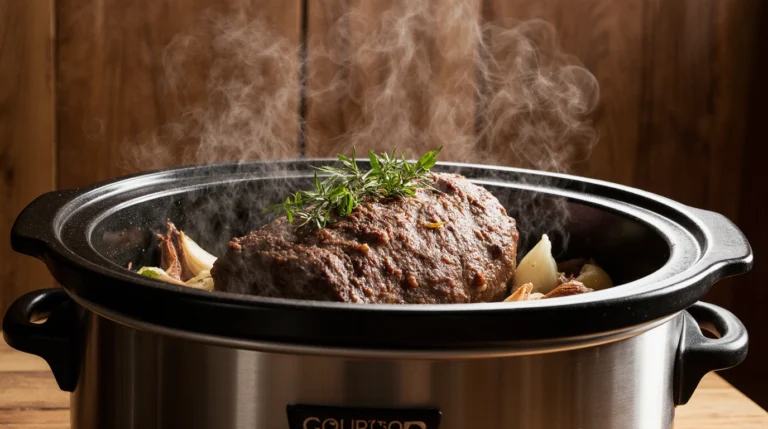
3. Slow Cooker Souse Meat
Ingredients
| Ingredient | Quantity | Notes |
|---|---|---|
| Pork feet | 2 lbs | Trimmed |
| Vinegar | 1 cup | White or apple cider |
| Lime juice | ½ cup | Freshly squeezed |
| Onion | 1 medium | Chopped |
| Thyme | 1 tsp | Fresh or dried |
| Scotch bonnet | 1 | Optional |
| Salt & Pepper | To taste | – |
Instructions
- Place all ingredients in a slow cooker.
- Cook on low for 6–8 hours until meat is tender.
- Remove meat, slice or shred, and pour marinade over it.
- Chill before serving.
Tip: Slow cooking intensifies flavors and tenderizes tougher cuts perfectly.
4. Garlic & Herb Souse Meat
Ingredients
| Ingredient | Quantity | Notes |
|---|---|---|
| Pork hocks | 2 lbs | Trimmed |
| Vinegar | 1 cup | White or apple cider |
| Lime juice | ½ cup | Freshly squeezed |
| Onion | 1 medium | Chopped |
| Garlic | 4 cloves | Minced |
| Thyme & Parsley | 1 tsp each | Fresh herbs |
| Salt & Pepper | To taste | – |
Instructions
- Boil pork until tender.
- Mix vinegar, lime juice, onion, garlic, and herbs.
- Pour marinade over pork and refrigerate for at least 2 hours.
- Serve with fresh bread or crackers.
Tip: Fresh herbs make a big difference in aroma and flavor.
5. Citrus-Infused Souse Meat
Ingredients
| Ingredient | Quantity | Notes |
|---|---|---|
| Pork feet | 2 lbs | Trimmed |
| Orange juice | ½ cup | Freshly squeezed |
| Lime juice | ½ cup | Freshly squeezed |
| Vinegar | ½ cup | White or apple cider |
| Onion | 1 medium | Chopped |
| Thyme | 1 tsp | Fresh |
| Salt & Pepper | To taste | – |
Instructions
- Cook pork until tender.
- Combine citrus juices, vinegar, onions, and thyme.
- Marinate meat in mixture for 2–3 hours in the fridge.
- Serve chilled or slightly warmed.
Tip: Citrus adds a refreshing twist, making it perfect for summer meals.
6. Onion & Cucumber Refreshing Souse Meat
Ingredients
| Ingredient | Quantity | Notes |
|---|---|---|
| Pork hocks | 2 lbs | Trimmed |
| Vinegar | 1 cup | White or apple cider |
| Lime juice | ½ cup | Freshly squeezed |
| Onion | 1 medium | Thinly sliced |
| Cucumber | 1 medium | Sliced |
| Thyme | 1 tsp | Fresh |
| Salt & Pepper | To taste | – |
Instructions
- Cook pork until tender.
- Mix vinegar, lime, onion, cucumber, and thyme.
- Pour marinade over meat and refrigerate for 2–3 hours.
- Serve chilled.
Tip: Adding cucumber adds crunch and freshness to the dish.
7. Party-Ready Souse Meat Platter
Ingredients
| Ingredient | Quantity | Notes |
|---|---|---|
| Pork feet & hocks | 3 lbs | Mixed cuts |
| Vinegar | 1.5 cups | White or apple cider |
| Lime juice | 1 cup | Freshly squeezed |
| Onion | 2 medium | Chopped |
| Scotch bonnet | 2 | Optional for spice |
| Thyme & Parsley | 1 tsp each | Fresh herbs |
| Salt & Pepper | To taste | – |
Instructions
- Cook all meat until tender.
- Combine vinegar, lime juice, onions, peppers, and herbs.
- Arrange meat on a large platter and pour marinade over it.
- Garnish with fresh herbs and serve as an appetizer or main dish.
Tip: Perfect for entertaining; presentation makes a difference.
Tips for Perfect Souse Meat Every Time

Making souse meat that’s tender, flavorful, and truly authentic can be simple when you follow a few key tips. Whether you’re a beginner or an experienced cook, these strategies ensure that every batch you make is delicious and memorable.
1. Choose High-Quality Meat
The foundation of perfect souse meat is always fresh, high-quality pork. Cuts like pig’s feet, hocks, or pig head work best because they are naturally gelatinous and absorb marinades effectively.
Pro Tip: Look for meat that is firm, pink, and has minimal odor. Avoid frozen or pre-packaged meat with preservatives, as it can affect texture and flavor.
2. Master the Marinade
The marinade is the heart of souse meat, responsible for its tangy, savory, and slightly spicy flavor. Use a balance of vinegar, lime juice, onions, herbs, and spices.
Pro Tip: Allow the meat to marinate for at least 2–3 hours, or preferably overnight. This gives the flavors time to penetrate, tenderizing the meat while infusing it with aroma.
3. Cook Meat Properly
Tenderness is critical for souse meat. Overcooking can make it mushy, while undercooking leaves it tough.
- Boil or simmer meat until it’s easily pierced with a fork (usually 1.5–2 hours for traditional cuts).
- For convenience, a slow cooker or pressure cooker can save time while ensuring tender results.
Pro Tip: Skim off excess fat during cooking to prevent greasiness and maintain a clean flavor.
4. Balance Flavors
Souse meat is all about the balance of tang, spice, and seasoning. Too much vinegar can overpower, while too little makes it bland.
Pro Tip: Taste the marinade before combining with the meat, and adjust vinegar, lime, salt, and pepper gradually.
5. Incorporate Fresh Herbs and Vegetables
Adding fresh thyme, parsley, onions, and cucumbers elevates the flavor profile and adds visual appeal. Herbs release aromatic oils, while vegetables contribute texture and freshness.
Pro Tip: Slice onions and cucumbers thinly so they absorb the marinade but don’t dominate the dish.
6. Chill for Maximum Flavor
Souse meat is often served chilled or at room temperature. Allowing it to rest in the refrigerator for a few hours enhances the flavor as the acids and spices fully penetrate the meat.
Pro Tip: Cover the meat tightly in an airtight container to prevent it from absorbing other fridge odors.
7. Customize Your Spice Level
Caribbean souse meat often includes Scotch bonnet peppers for heat, but you can adjust according to your preference.
Pro Tip: Remove seeds for a milder flavor or leave them in for an authentic, fiery kick.
8. Presentation Matters
Even the most delicious souse meat is more inviting when presented well. Arrange slices neatly on a platter, garnish with fresh herbs, or serve alongside crackers or bread for an appealing look.
Common Mistakes to Avoid
- Undercooking or overcooking meat, leading to chewy or dry textures
- Overpowering with vinegar or spices
- Not using fresh or high-quality ingredients
- Skipping chilling time; flavors intensify when marinated properly
Even seasoned cooks can run into challenges when preparing souse meat, and small errors can affect both flavor and texture. Being aware of these pitfalls will help you consistently produce tender, flavorful, and authentic souse meat.
One frequent mistake is overcooking or undercooking the meat. Cuts like pig’s feet or hocks require careful attention: overcooking can make the meat mushy, while undercooking leaves it tough and chewy. To avoid this, you should always check the tenderness by piercing the meat with a fork. Proper cooking ensures that every bite melts in your mouth while holding the perfect texture.

Another common issue is improper marination. Some cooks either rush the process or fail to balance the acidic and spicy components, leading to a dish that’s either bland or overwhelmingly tangy. Souse meat needs time for the vinegar, lime juice, herbs, and spices to permeate the meat. Giving it several hours—or even overnight—ensures the flavors are fully absorbed.
A third mistake lies in ingredient quality. Using stale herbs, low-quality vinegar, or pre-packaged meats can compromise the authenticity of the dish. Fresh, high-quality ingredients are essential for achieving the signature Caribbean flavor that makes souse meat so irresistible.
Finally, skipping the chilling stage is a subtle but impactful error. Souse meat tastes best after resting in the refrigerator, allowing the flavors to meld. Serving it immediately after cooking can result in a dish that feels harsh and unbalanced.
By understanding these common mistakes and how to avoid them, you’ll ensure your souse meat is consistently flavorful, tender, and visually appealing, impressing anyone who tastes it.
FAQ About Souse Meat
Q1: What cuts of meat are best for souse meat?
Pork feet, hocks, and pig head are traditional, but you can experiment with other tender cuts.
Q2: How long can souse meat be stored safely?
Refrigerate for 3–4 days; freezing is possible for up to 2 months.
Q3: Can souse meat be made ahead of time?
Yes, marinating a day in advance enhances flavor.
Q4: How do I make souse meat less spicy?
Reduce or remove Scotch bonnet peppers and balance with extra vinegar or lime juice.
Conclusion
You now have seven irresistible souse meat recipes to elevate your cooking game. Each recipe offers unique flavors, textures, and preparation styles, from classic Caribbean to refreshing cucumber-infused variations. By following these recipes, tips, and tricks, you can create souse meat that’s tender, flavorful, and perfect for any occasion.
Call-to-Action: Which souse meat recipe are you excited to try first? Try it today and share your culinary creation with friends and family. Don’t forget to comment below with your favorite twist!