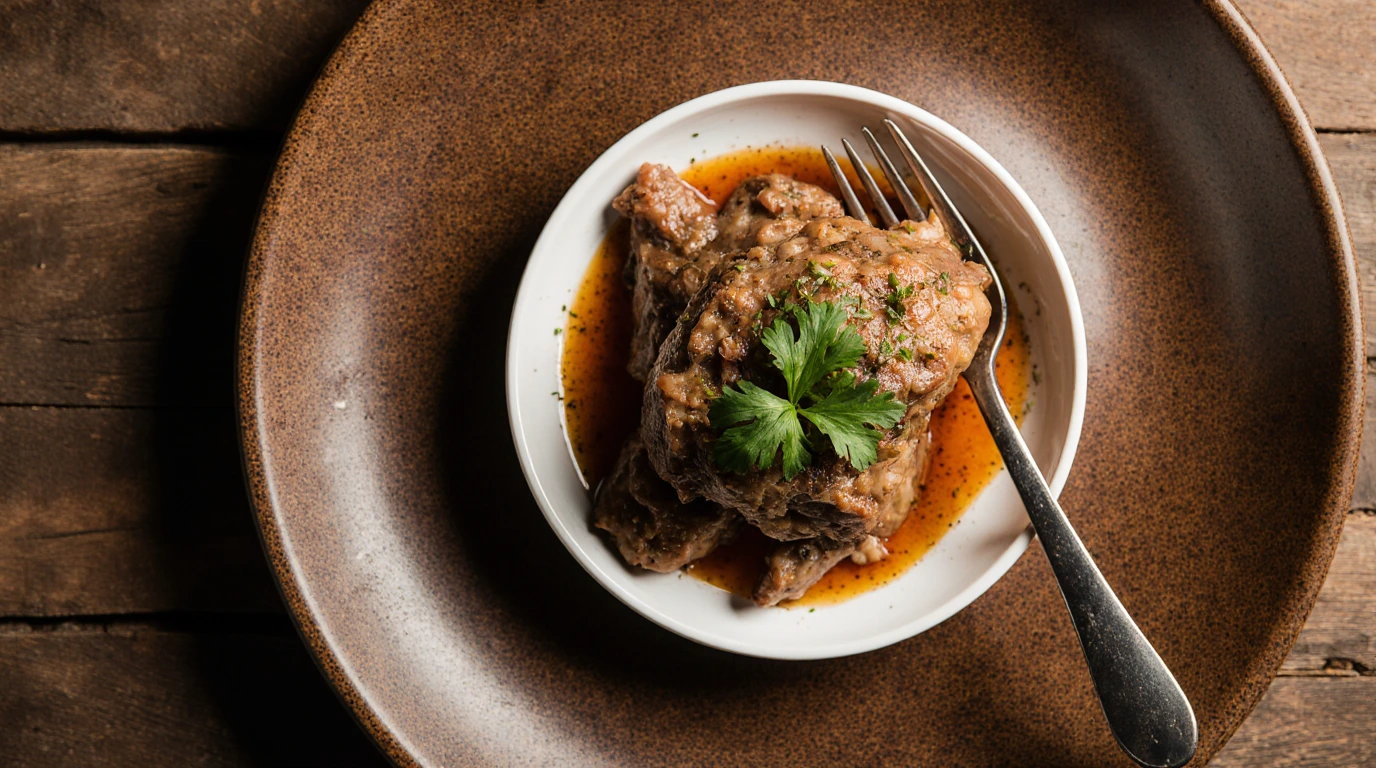
Chicken Liver Recipes: Best Ways to Prepare Chicken Livers at Home
Table of Contents
Why Chicken Livers Deserve a Spot in Your Kitchen
Have you ever hesitated to cook chicken livers at home because you weren’t sure where to start or worried they might taste too strong? You’re not alone. Many home cooks overlook this versatile ingredient, but when prepared correctly, chicken livers deliver rich flavors, impressive nutrition, and a comforting experience that’s hard to beat.
Imagine serving a dish that’s packed with protein, vitamins, and iron while also being budget-friendly and quick to prepare. That’s exactly what you get when you master the art of cooking chicken livers. In this guide, you’ll discover multiple ways to prepare this underrated delicacy, complete with practical tips, flavorful recipes, and a few insider secrets that turn even first-time cooks into confident chefs.
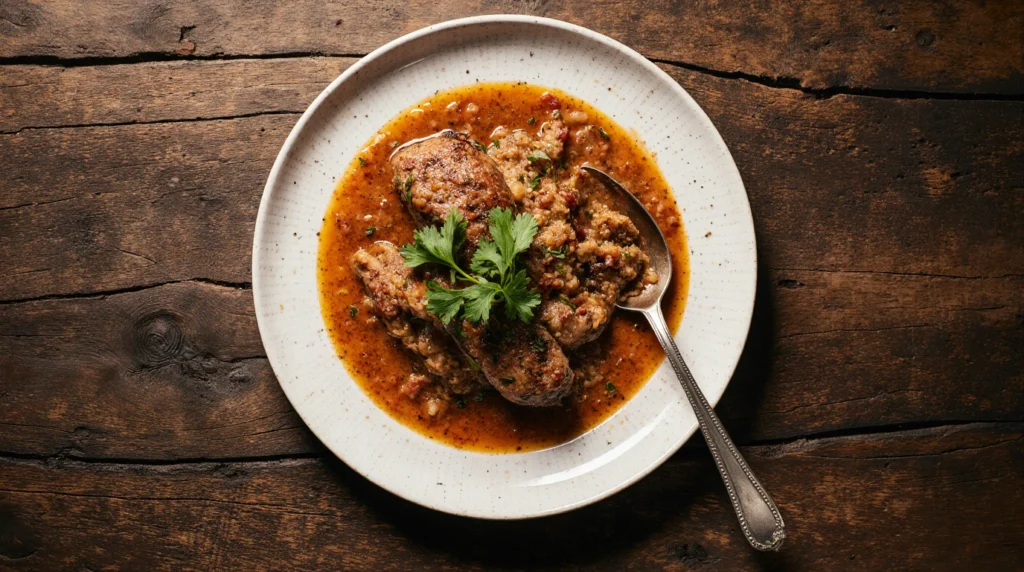
Why Chicken Livers Are Worth Cooking at Home
You might wonder why you should consider cooking chicken livers at home, especially when they aren’t as commonly used as chicken breasts or thighs. The truth is, chicken livers are an underrated powerhouse ingredient that can elevate your meals with minimal effort. Here’s why you should bring them into your kitchen repertoire.
1. Packed with Nutrients
Chicken livers are a nutrient-dense food that provides a variety of essential vitamins and minerals:
| Nutrient | Amount per 100g | Benefits |
|---|---|---|
| Protein | 17g | Supports muscle growth and repair |
| Iron | 9 mg | Prevents anemia and boosts energy |
| Vitamin A | 11,000 IU | Enhances vision and immunity |
| Vitamin B12 | 16 mcg | Supports red blood cell formation and brain health |
| Folate | 560 mcg | Promotes DNA synthesis and cell growth |
By cooking chicken livers at home, you’re not only adding flavor but also boosting your diet with high-quality nutrients that support overall health.
2. Affordable and Accessible
- Chicken livers are often less expensive than other cuts of meat, making them perfect for budget-conscious home cooks.
- They’re widely available at supermarkets, butcher shops, and farmers’ markets.
- Cooking them at home allows you to control portion sizes, seasoning, and cooking methods—something you can’t always do when dining out.
3. Quick and Versatile Cooking
- Chicken livers cook very quickly, often in under 10 minutes on the stove.
- You can prepare them in multiple ways: sautéed, baked, pan-fried, or even turned into spreads like chopped liver.
- Their versatility allows you to create appetizers, main courses, or side dishes depending on your meal plan.
4. Delicious and Comforting
- When prepared properly, chicken livers are rich, tender, and flavorful.
- They pair beautifully with onions, garlic, herbs, and spices, making them a crowd-pleaser for family dinners or special occasions.
- Cooking them at home gives you the satisfaction of creating a restaurant-quality dish in your own kitchen.
5. Opportunity for Culinary Creativity
- Experiment with different flavor profiles: Mediterranean herbs, Asian spices, or citrus-based marinades.
- Combine with complementary ingredients like onions, mushrooms, or fresh herbs to create signature dishes that reflect your taste.
- By learning the techniques for chicken livers, you expand your cooking skills and gain confidence with other organ meats.
Pro Tip: If you’re new to cooking chicken livers, start with a simple pan-fried or sautéed recipe. Once you’re comfortable, you can explore bolder flavors, marinades, and creative combinations.
By understanding their nutritional value, affordability, versatility, and flavor potential, you’ll see why chicken livers are truly worth cooking at home. They’re more than just an ingredient—they’re an opportunity to create healthy, satisfying, and memorable meals with ease.
Nutritional Benefits of Chicken Livers
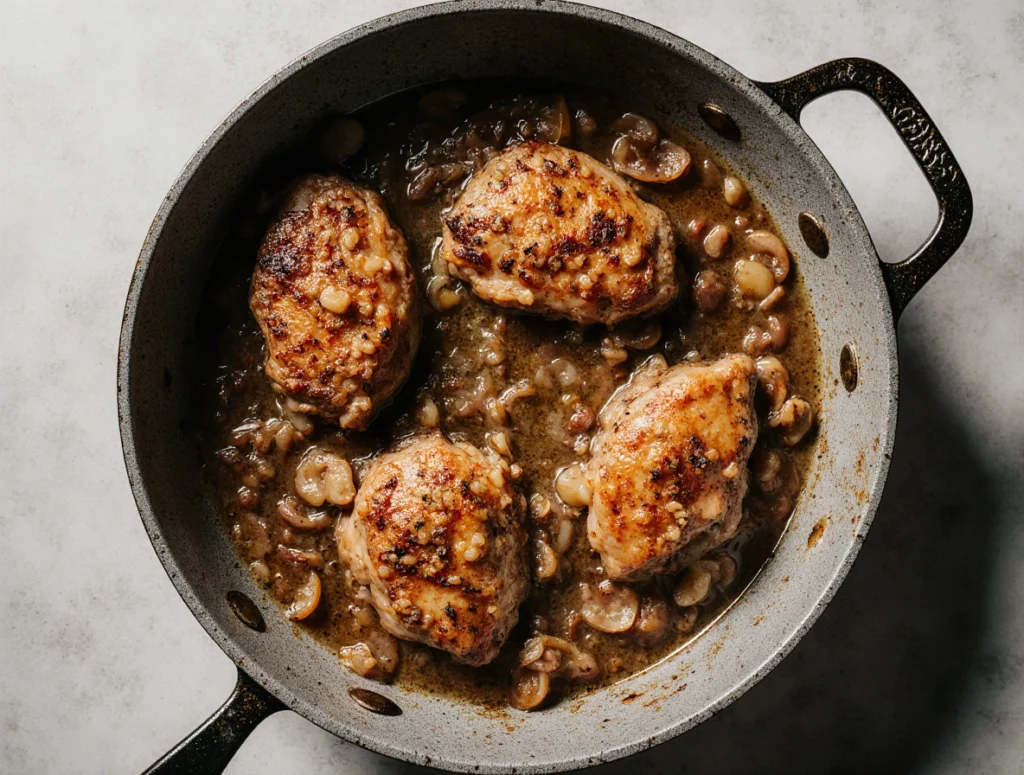
Chicken livers aren’t just delicious—they’re a powerhouse of nutrients that your body will thank you for. Here’s a quick breakdown per 100 grams:
| Nutrient | Amount | Benefit |
|---|---|---|
| Protein | 17g | Supports muscle growth and repair |
| Vitamin A | 11,000 IU | Boosts vision and immune function |
| Vitamin B12 | 16 mcg | Essential for red blood cells and brain health |
| Iron | 9 mg | Helps prevent anemia and fatigue |
| Calories | 165 kcal | Low-calorie, nutrient-dense food |
Including chicken livers in your diet can support energy levels, promote healthy skin, and even aid in cognitive function thanks to their nutrient density.
Common Myths and Misconceptions
You might have heard that chicken livers are tough or taste too strong. That’s only true if they’re overcooked or not properly prepared. By learning a few simple techniques, you can transform chicken livers into a tender, flavorful dish that will impress even skeptical eaters.
Essential Tips for Preparing Chicken Livers
Cooking chicken livers can feel intimidating at first, but with the right techniques, you can turn them into a tender, flavorful dish every time. By paying attention to quality, preparation, and handling, you’ll ensure your chicken livers are always delicious.
1. Choosing Quality Chicken Livers
The first step to success is selecting the freshest livers:
- Look for firm, reddish-brown livers with a smooth surface.
- Avoid any that are slimy, discolored, or have a strong odor.
- When possible, choose organic or pasture-raised options for superior taste and nutrition.
Pro Tip: Fresh livers will bounce slightly when gently pressed—they shouldn’t feel mushy.
2. Cleaning and Trimming Chicken Livers
Proper cleaning ensures a smoother texture and better flavor:
- Rinse the livers gently under cold running water.
- Remove any visible connective tissue, sinew, or fat.
- Trim away any greenish or dark spots that can taste bitter.
Pro Tip: Use a sharp knife for precision trimming—this prevents overhandling and keeps the livers intact.
3. Soaking to Reduce Bitterness
If you find chicken livers sometimes taste strong or metallic, a soak can help:
- Milk soak: Submerge the livers in milk for 20–30 minutes before cooking.
- Salted water soak: A light brine can also mellow the flavor.
- Pat dry thoroughly before cooking to avoid oil splatter.
Pro Tip: Soaking not only reduces bitterness but also enhances tenderness, giving your livers a silky texture.
4. Seasoning and Flavor Prep
Chicken livers absorb flavors quickly, so seasoning is key:
- Use salt and freshly ground pepper as a base.
- Add herbs like thyme, rosemary, or parsley for aromatic depth.
- Incorporate garlic, onion, or paprika for added flavor complexity.
Pro Tip: Season just before cooking to preserve the delicate texture. Over-marinating can make livers mushy.
5. Handling Tips
- Avoid overcrowding the pan; this ensures even cooking and a nice sear.
- Use medium heat—high heat can toughen the livers, while low heat may overcook them.
- Cook until slightly pink inside; overcooking will make them dry and grainy.
Pro Tip: Let cooked livers rest for 2–3 minutes before serving—this locks in juices and enhances flavor.
By following these essential tips, you’ll transform chicken livers from a tricky ingredient into a delicious, tender, and flavorful meal that your family or guests will love.
Best Cooking Methods for Chicken Livers
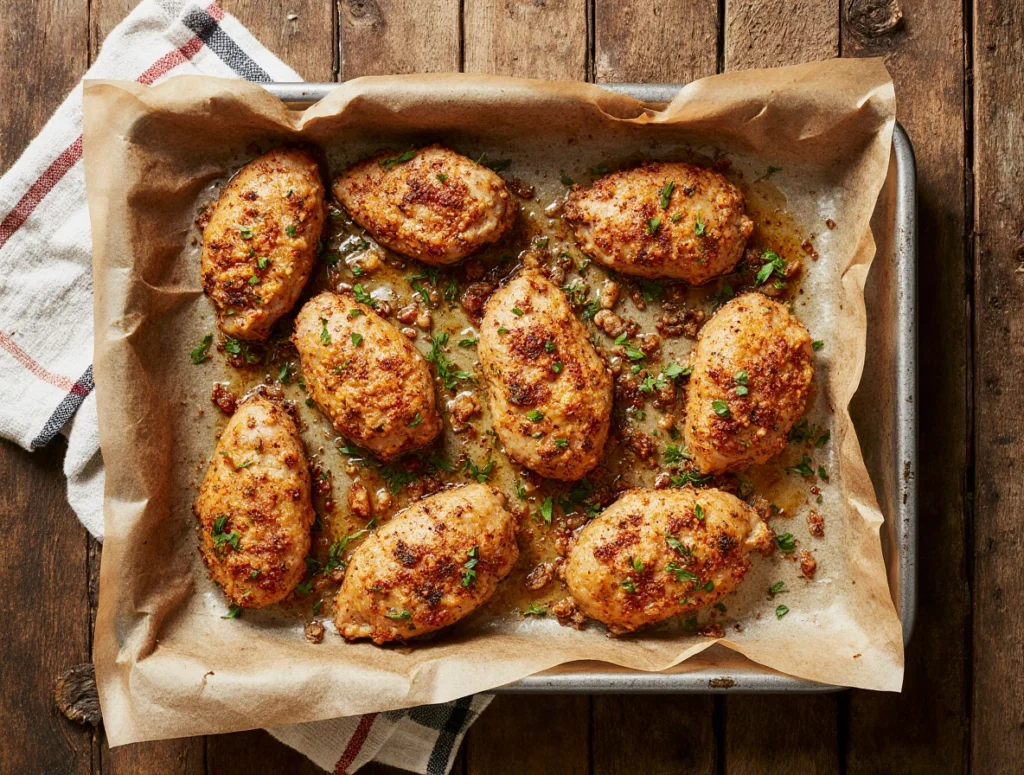
1. Pan-Fried Chicken Livers
Ingredients Table:
| Ingredient | Amount |
|---|---|
| Chicken livers | 500g |
| Olive oil | 2 tbsp |
| Onion, sliced | 1 medium |
| Garlic, minced | 2 cloves |
| Salt & pepper | To taste |
| Fresh parsley | For garnish |
Cooking Steps:
- Heat olive oil in a skillet over medium heat.
- Add onions and garlic, sauté until fragrant and golden.
- Increase heat slightly, add chicken livers, and cook 3–4 minutes per side.
- Season with salt and pepper, garnish with parsley, and serve immediately.
Pro Tip: Avoid overcrowding the pan; it helps livers cook evenly and develop a nice sear.
2. Baked Chicken Livers
Ingredients Table:
| Ingredient | Amount |
|---|---|
| Chicken livers | 500g |
| Olive oil | 1 tbsp |
| Paprika | 1 tsp |
| Garlic powder | 1 tsp |
| Lemon juice | 1 tbsp |
| Salt & pepper | To taste |
Cooking Steps:
- Preheat oven to 375°F (190°C).
- Toss chicken livers with olive oil, spices, and lemon juice.
- Spread on a baking tray lined with parchment paper.
- Bake for 20–25 minutes, flipping halfway through.
Pro Tip: Baking preserves moisture and creates a healthier version without sacrificing flavor.
3. Sautéed Chicken Livers with Onions & Garlic
Ingredients Table:
| Ingredient | Amount |
|---|---|
| Chicken livers | 500g |
| Butter | 2 tbsp |
| Onion, thinly sliced | 1 large |
| Garlic, minced | 3 cloves |
| Thyme or rosemary | 1 tsp |
| Salt & pepper | To taste |
Cooking Steps:
- Melt butter in a skillet over medium heat.
- Add onions and cook until soft.
- Stir in garlic and herbs, cook 1 minute.
- Add chicken livers and sauté 4–5 minutes, until cooked through but still tender.
Serving Suggestion: Pair with mashed potatoes or steamed rice for a hearty meal.
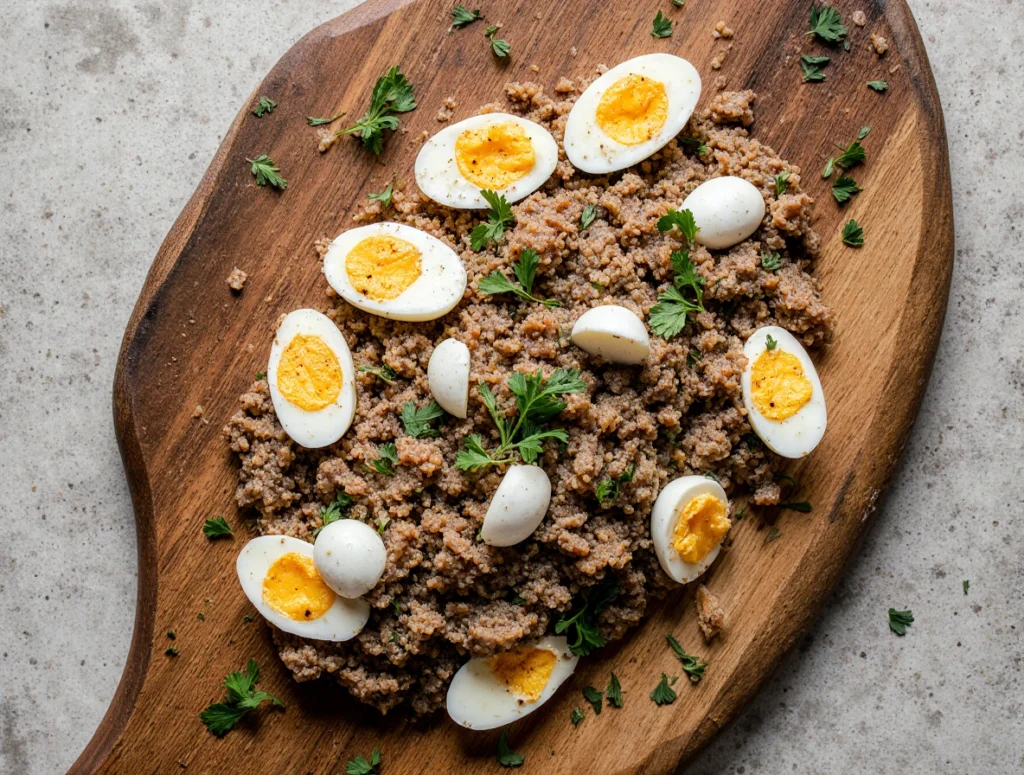
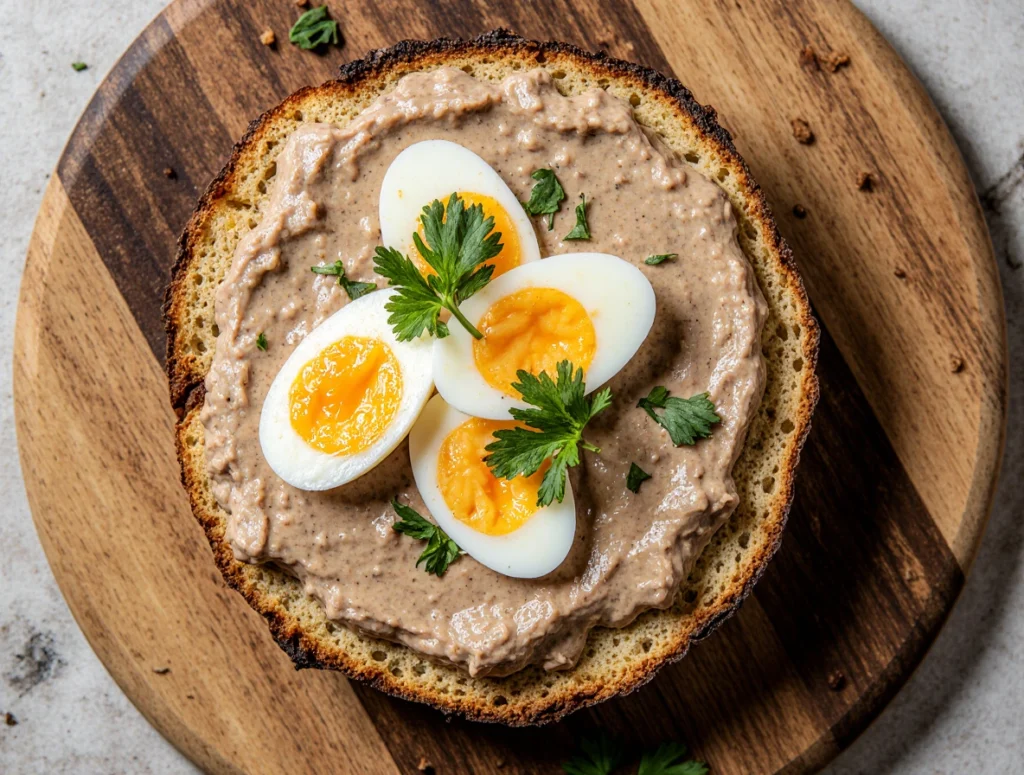
4. Chopped Chicken Liver Recipes
Ingredients Table:
| Ingredient | Amount |
|---|---|
| Chicken livers | 500g |
| Onion, chopped | 1 medium |
| Butter | 2 tbsp |
| Hard-boiled eggs | 2, chopped |
| Salt & pepper | To taste |
Cooking Steps:
- Sauté livers and onions until fully cooked.
- Allow to cool slightly, then chop finely with eggs.
- Mix together, season with salt and pepper.
- Serve as a spread on bread or crackers.
Pro Tip: Adding a touch of lemon juice brightens the flavor.
Flavor Boosters & Variations
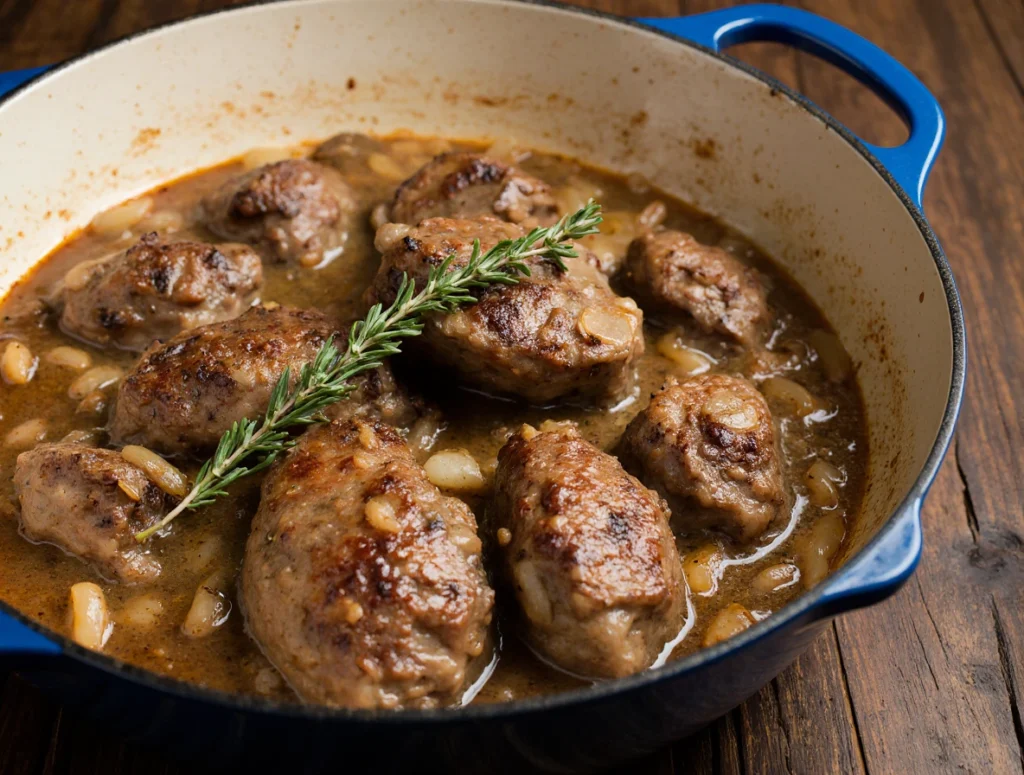
Chicken livers are naturally rich and creamy, but the right seasonings and flavor combinations can elevate them from good to extraordinary. By experimenting with herbs, spices, and complementary ingredients, you can create dishes that suit your taste and impress anyone at the table.
1. Marinades That Enhance Flavor
Marinating chicken livers not only adds flavor but also helps tenderize them:
- Citrus-based: Lemon or orange juice adds brightness and cuts through the richness.
- Soy sauce & garlic: Creates a savory umami profile perfect for Asian-inspired dishes.
- Olive oil & herbs: Thyme, rosemary, and oregano impart a Mediterranean aroma.
Pro Tip: Marinate for 20–30 minutes—not too long, or the livers may become mushy.
2. Spice Up Your Livers
Spices can completely transform the taste of chicken livers:
- Paprika or smoked paprika: Adds depth and a subtle smokiness.
- Cumin & coriander: For a warm, earthy flavor.
- Cayenne or chili flakes: Perfect if you like a little heat.
Pro Tip: Toasting whole spices lightly before adding them can intensify their flavor.
3. Herb Variations
Fresh or dried herbs complement chicken livers beautifully:
- Thyme, rosemary, parsley, or sage pair well with sautéed or baked livers.
- Basil or cilantro can give an unexpected fresh twist for lighter recipes.
Pro Tip: Add delicate herbs like parsley or cilantro at the end to preserve their vibrant flavor.
4. Creative Recipe Variations
Here are some quick ways to experiment with chicken livers:
| Variation Name | Key Additions & Flavor Notes |
|---|---|
| Mediterranean Livers | Olives, sun-dried tomatoes, oregano, garlic |
| Asian-Inspired Livers | Soy sauce, ginger, sesame oil, green onions |
| Spicy Kick Livers | Cayenne, smoked paprika, chili flakes |
| Creamy Herb Livers | Light cream, thyme, garlic |
| Citrus Zest Livers | Lemon or orange zest, fresh parsley |
Pro Tip: Mix and match these variations based on what’s in your pantry. You can create a signature dish by combining spices, herbs, and aromatics that suit your personal taste.
5. Serving Suggestions for Maximum Flavor
- Serve over creamy mashed potatoes or fluffy rice to soak up the sauce.
- Pair with fresh salads or crusty bread for a balanced meal.
- Use chopped livers as a spread on crackers or sandwiches for a flavorful appetizer.
By exploring these flavor boosters and variations, you can transform simple chicken livers into versatile, exciting dishes that are anything but ordinary. With just a few tweaks, you can tailor each recipe to your preferred taste profile and keep your meals interesting week after week.
Common Mistakes to Avoid
Chicken livers can be tricky to cook if you’re not careful. Overlooked steps or misjudged cooking times can turn them from tender and flavorful to dry or bitter. By understanding these common mistakes, you can avoid pitfalls and consistently create delicious dishes.
1. Overcooking the Livers
- Chicken livers cook very quickly. Overcooking makes them dry, grainy, and less enjoyable.
- Tip: Cook livers until they are just slightly pink in the center. They will continue to cook a little after being removed from heat.
2. Not Removing Sinew or Fat
- Leaving connective tissue or fat can result in a chewy texture.
- Tip: Trim all sinew, fat, and any greenish spots before cooking for a smooth, melt-in-your-mouth result.
3. Skipping the Soak
- Livers sometimes have a strong metallic or bitter taste. Not soaking can leave this flavor pronounced.
- Tip: Soak your livers in milk or lightly salted water for 20–30 minutes. This reduces bitterness and enhances tenderness.
4. Underseasoning the Livers
- Chicken livers are mild by nature and need proper seasoning to shine.
- Tip: Use salt, freshly ground pepper, herbs, and spices. Flavor the livers just before cooking to keep them tender and flavorful.
5. Cooking at the Wrong Heat
- Cooking on too high heat can toughen livers, while too low heat may result in uneven cooking.
- Tip: Use medium heat and avoid overcrowding the pan so each liver cooks evenly.
6. Ignoring Rest Time
- Serving livers immediately after cooking can cause juices to escape, making them dry.
- Tip: Let cooked livers rest for 2–3 minutes before serving to lock in moisture.
By avoiding these mistakes, you’ll elevate your chicken liver dishes from ordinary to extraordinary. Paying attention to trimming, soaking, seasoning, and cooking properly ensures every bite is tender, flavorful, and perfectly cooked.
Storing & Reheating Chicken Livers
- Refrigeration: Store cooked livers in airtight containers for up to 3 days.
- Freezing: Wrap in foil or freezer-safe containers for up to 3 months.
- Reheating: Gently reheat on low heat to avoid overcooking.
Frequently Asked Questions (FAQ)
- How do I make chicken livers taste better?
- Soak them in milk, season well, and avoid overcooking.
- Can I bake chicken livers instead of frying them?
- Absolutely! Baking retains moisture, adds convenience, and keeps the dish healthy.
- Are chicken livers healthy to eat?
- Yes, they’re nutrient-rich but consume in moderation due to high vitamin A content.
- What can I serve with chicken livers?
- Try mashed potatoes, rice, fresh salads, or crusty bread.
- Can I make chicken liver dishes in advance?
- Yes, they store well in the fridge for a few days and can be reheated gently.
Conclusion: Make Chicken Livers a Favorite in Your Home
Now that you’ve explored multiple ways to prepare chicken livers at home, you can confidently turn this humble ingredient into delicious, nutrient-packed meals. By experimenting with pan-frying, baking, sautéing, or making a chopped liver spread, you’ll discover flavors and textures that impress every time.
Don’t wait—try one of these chicken liver recipes tonight and bring a new favorite to your table. Once you master these techniques, chicken livers will no longer be a forgotten ingredient—they’ll be a highlight of your home cooking repertoire.