What Is a Turkey Injection Recipe and How to Use It
Table of Contents
When it comes to cooking the perfect turkey, you probably know the struggle: a bird that looks stunning on the table but turns out dry and flavorless once carved. You’ve likely tried basting, brining, or seasoning only to still feel like something was missing. That’s where a turkey injection recipe comes into play—a culinary secret that transforms your turkey from ordinary to extraordinary. Imagine slicing into a golden-brown turkey and tasting moisture and flavor infused deep into the meat with every bite. That’s the magic you can bring to your kitchen using the right injectable marinade.
What Is a Turkey Injection?
Definition and Purpose
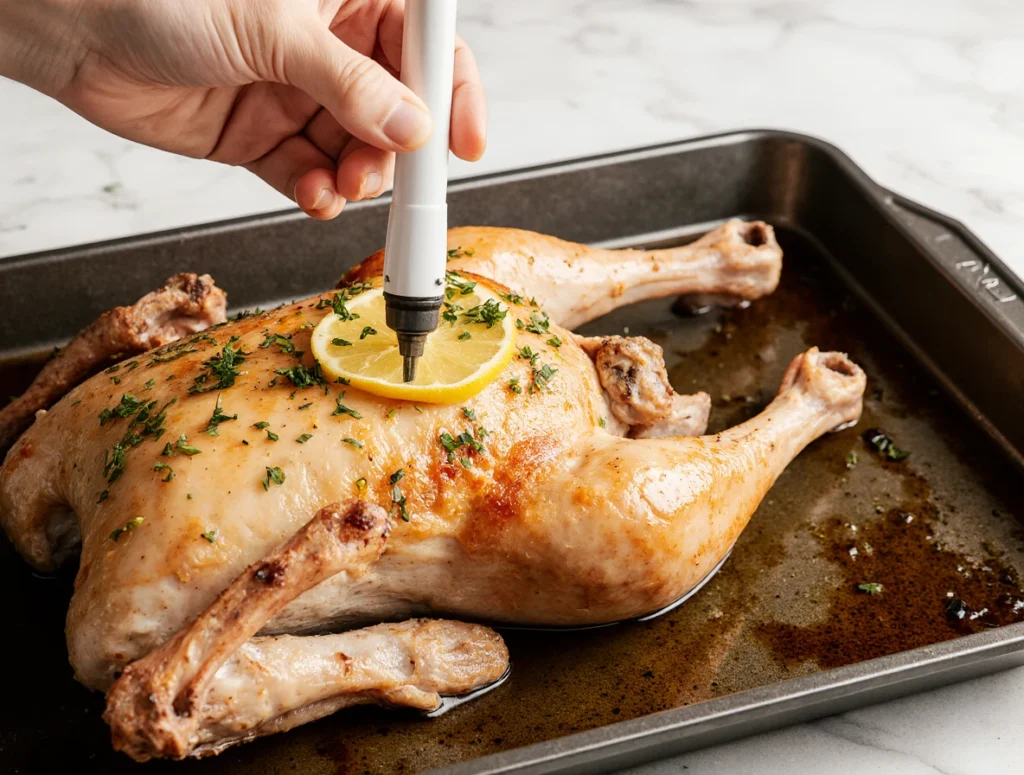
A turkey injection is a culinary technique where a flavorful liquid mixture is directly injected into the meat of your turkey using a food-grade injector. Unlike traditional marinades or brines that only coat the surface, this method allows the flavors to penetrate deep into the muscle fibers, ensuring that every bite is juicy and infused with taste. Typical ingredients for a turkey injection include broth, melted butter, fresh herbs, garlic, spices, and sometimes wine, fruit juice, or even honey. Each component is carefully selected to enhance the turkey’s natural flavor and maintain moisture during cooking.
Using a turkey injection not only improves taste and tenderness, but it also reduces cooking stress by minimizing the need for constant basting. This method is especially helpful for large turkeys or lean cuts like the breast, which are prone to drying out in the oven. Whether you’re preparing a holiday centerpiece, Thanksgiving dinner, or any special occasion, a well-made injection guarantees a succulent, flavorful turkey that will impress your family and guests.
Incorporating a turkey injection into your cooking routine allows you to customize flavors easily, from classic butter and herb to bold Cajun or sweet honey blends. It’s a simple yet powerful technique that transforms ordinary turkey into a restaurant-quality, juicy masterpiece, making it a must-try for anyone who loves cooking and wants perfectly moist, flavorful meat every time.
Why Use a Turkey Injection?
If you’ve ever struggled with a dry, flavorless turkey, a turkey injection can be a game-changer. Unlike surface seasoning or traditional brining, injecting your turkey allows moisture and flavor to reach deep inside the meat, ensuring every bite is tender, juicy, and packed with taste.
1. Keeps Your Turkey Moist and Tender
The most common problem with roasting a turkey is dry breast meat, especially on larger birds. A well-prepared butter or broth-based injection helps the meat retain moisture during cooking, reducing the risk of dryness while creating a succulent texture that melts in your mouth.
2. Enhances Flavor Throughout the Meat
When you inject a turkey, the flavors of herbs, spices, garlic, or even sweet or spicy additives are distributed evenly throughout the meat. This ensures that every slice, from the breast to the thighs, is richly seasoned, unlike surface marinades that only touch the outer layer. You can customize your injection to suit your tastes, whether you prefer classic butter and herb, bold Cajun, or sweet honey blends.
3. Reduces Basting Time and Effort
Basting a turkey throughout the cooking process is time-consuming and often ineffective. With a homemade turkey injection, the meat stays moist without constant attention, giving you more time to focus on preparing sides, entertaining guests, or simply enjoying the holiday.
4. Perfect for Special Occasions
Whether it’s Thanksgiving, Christmas, or any family gathering, a turkey prepared with an injectable marinade looks impressive and tastes incredible. Guests notice the difference in juiciness and flavor, making your turkey the highlight of the meal.
5. Allows Flavor Experimentation
Using an injection opens up endless possibilities for flavor customization. You can try savory herb blends, tangy citrus infusions, spicy Cajun mixes, or sweet honey-butter combinations, allowing you to create a unique turkey experience every time.
In short, using a turkey injection ensures that your bird is moist, flavorful, and restaurant-quality, transforming what can often be a stressful cooking experience into a stress-free, delicious success.
Key Ingredients for a Turkey Injection Recipe
Creating the perfect turkey injection recipe starts with selecting the right ingredients. Each component plays a crucial role in adding flavor, moisture, and aroma to your turkey, ensuring a juicy and tender bird that impresses your guests. By carefully choosing your ingredients, you can customize flavors to match your personal taste or the theme of your meal.
Essential Ingredients
Here are the core ingredients that every homemade turkey injection should include:
| Ingredient | Quantity | Purpose |
|---|---|---|
| Butter or oil | ½ cup | Adds richness, helps coat the meat internally, and enhances juiciness |
| Chicken or turkey broth | 1 cup | Provides a flavorful liquid base that penetrates deep into the meat |
| Garlic | 2–3 cloves | Adds aromatic depth and natural savoriness |
| Fresh herbs (thyme, rosemary, sage) | 1 tbsp each | Infuses earthy, savory flavors throughout the turkey |
| Salt & pepper | To taste | Balances flavors and enhances the natural taste of the turkey |
| Optional: honey, wine, beer, or Cajun seasoning | 2 tbsp | Adds sweet, tangy, or spicy notes for flavor variation |
Ingredient Tips for Maximum Flavor
- Use unsalted butter so you can control the overall salt content, especially if the turkey has been brined.
- Fresh herbs provide a more vibrant, aromatic flavor than dried alternatives.
- Experiment with liquids: Try apple cider, wine, or beer for unique flavor profiles.
- Taste before injecting: Adjust salt, sweetness, or spice to ensure your marinade complements the turkey perfectly.
- Customize for your occasion: Sweet injections work well for festive dinners, while savory or spicy blends are perfect for bold, adventurous flavors.
Why These Ingredients Matter
- Butter or oil: Keeps meat moist and provides a rich mouthfeel.
- Broth: Infuses flavor while helping the meat retain natural juices.
- Garlic and herbs: Add layers of complexity and a savory aroma.
- Optional flavorings: Give your injection a signature twist, making your turkey stand out from ordinary recipes.
By understanding the purpose of each ingredient, you can craft a homemade turkey injection that delivers juicy, flavorful, and perfectly cooked turkey every time.
How to Make a Turkey Injection Recipe
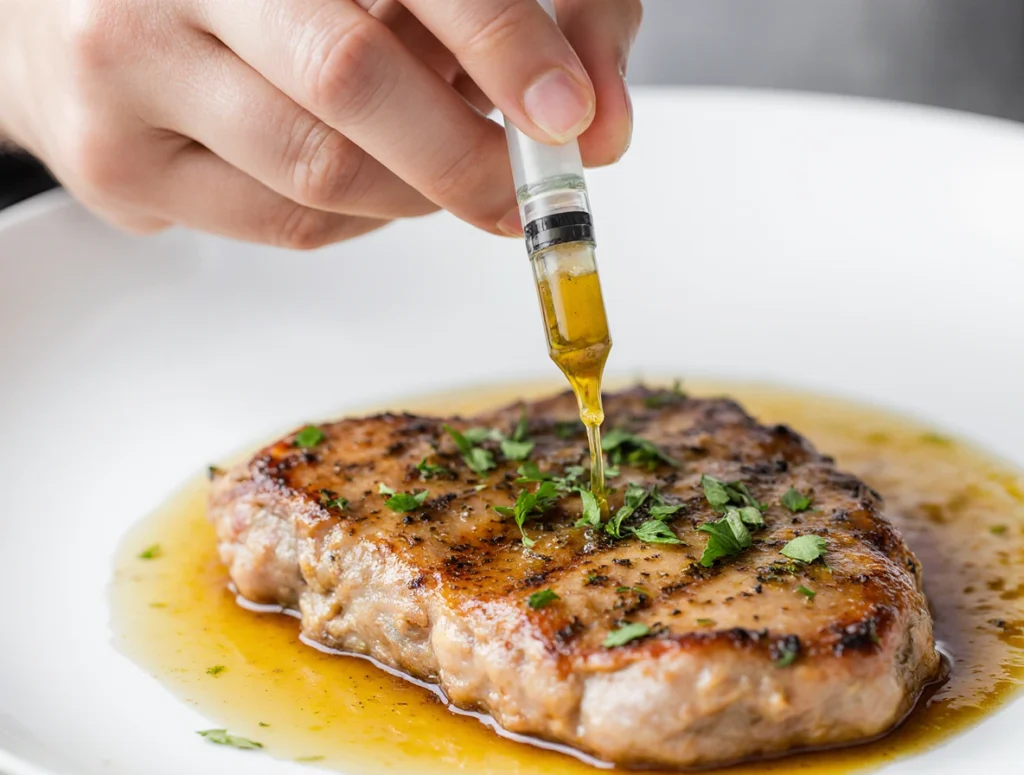
Making a turkey injection recipe is easier than it sounds, and it’s one of the most effective ways to ensure your bird comes out juicy, flavorful, and tender. By following a few simple steps and using the right techniques, you can transform an ordinary turkey into a holiday showstopper that your family and friends will rave about.
Step-by-Step Guide
- Prepare Your Injection Mixture
- Melt butter and combine it with broth, herbs, garlic, and optional flavorings like honey, wine, or Cajun seasoning.
- Stir the mixture until fully combined. This will be the flavorful liquid that penetrates deep into the turkey meat.
- Cool the Mixture Slightly
- Let the injection liquid cool to room temperature before use.
- Using hot liquids can partially cook the meat and affect its texture, so a slightly warm or room-temperature mixture is safest.
- Load the Injector
- Fill a food-grade injector with the prepared marinade.
- Make sure the injector is clean and free of any debris to ensure smooth, even injections.
- Inject Strategically
- Insert the needle about 2–3 inches deep into the turkey’s breast, thighs, and drumsticks.
- Inject small amounts every 1–2 inches to ensure even distribution.
- Rotate the needle slightly as you inject to disperse the liquid more thoroughly.
- Refrigerate the Turkey
- After injecting, cover and refrigerate the turkey for at least 1 hour, ideally 12–24 hours.
- The longer the injection sits in the meat, the more flavorful and juicy the turkey will become.
Tips for Effective Injection
- Avoid over-injecting a single spot to prevent pooling of liquid inside the meat.
- Use multiple injection points for even coverage throughout the bird.
- Don’t forget smaller parts like wings and drumsticks—they benefit from injected flavor too.
- Combine with brining if desired, but adjust salt content in your injection to avoid over-seasoning.
- Taste the mixture beforehand to ensure the flavor is balanced and suits your preferences.
Why This Technique Works
Using a turkey injection allows you to control the flavor and moisture of your bird at a deeper level than basting or surface marinades ever could. By targeting the muscle fibers directly, the flavors penetrate the meat, producing a succulent turkey with enhanced taste from the inside out.
Best Turkey Injection Recipes
While the technique is universal, the flavor combinations are limitless. Here are three highly recommended recipes to try:
Classic Butter & Herb Injection
| Ingredient | Quantity |
|---|---|
| Butter | ½ cup |
| Chicken broth | 1 cup |
| Garlic cloves | 2 |
| Fresh thyme & rosemary | 1 tbsp each |
| Salt & pepper | To taste |
Flavor Profile: Rich, savory, aromatic—perfect for a traditional holiday turkey.
Honey, Butter & Beer Injection
| Ingredient | Quantity |
|---|---|
| Butter | ½ cup |
| Beer (light or amber) | ½ cup |
| Honey | 2 tbsp |
| Garlic | 2 cloves |
| Salt & pepper | To taste |
Flavor Profile: Sweet, malty, and juicy—ideal for a festive or casual gathering.
Cajun Style Turkey Injection
| Ingredient | Quantity |
|---|---|
| Butter | ½ cup |
| Chicken broth | 1 cup |
| Cajun seasoning | 2 tbsp |
| Garlic | 3 cloves |
| Paprika | 1 tsp |
| Salt & pepper | To taste |
Flavor Profile: Spicy, bold, and exciting—a crowd-pleaser for adventurous taste buds.
Common Mistakes to Avoid When Using Turkey Injections
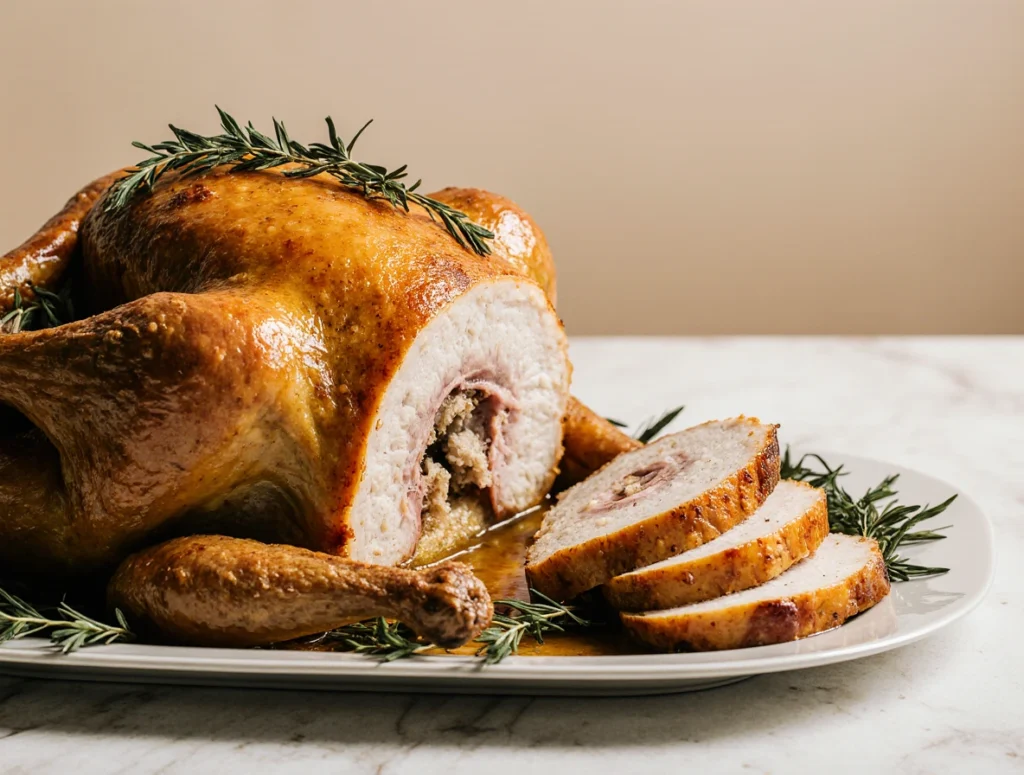
While a turkey injection can dramatically improve your bird’s flavor and juiciness, mistakes during preparation or injection can reduce its effectiveness. By being aware of common pitfalls, you can ensure your homemade turkey injection works perfectly every time.
1. Injecting Too Close to the Surface
- Placing the needle too shallow can cause the liquid to leak out of the meat, leaving the inside less flavorful.
- Solution: Insert the injector 2–3 inches deep into the thickest parts of the turkey for even distribution.
2. Using Hot or Boiling Liquids
- Hot injection mixtures can partially cook the meat as soon as they enter, which may affect texture and moisture.
- Solution: Always use a slightly warm or room-temperature mixture to protect the integrity of the turkey.
3. Uneven Distribution
- Focusing injections in only one area may leave some parts dry while others are oversaturated.
- Solution: Rotate the injector slightly as you inject and use multiple injection points on the breast, thighs, and drumsticks.
4. Skipping the Resting Period
- Immediately cooking after injecting doesn’t allow flavors to penetrate fully.
- Solution: Refrigerate the injected turkey for at least 1 hour, preferably 12–24 hours, to maximize taste and juiciness.
5. Over-Injecting a Single Spot
- Adding too much liquid at one point can pool inside the meat, causing an uneven texture or watery spots.
- Solution: Inject small amounts gradually at multiple locations instead of a large volume in one spot.
6. Ignoring Salt and Seasoning Balance
- If your turkey has been brined, adding a salty injection can make it overly salty.
- Solution: Taste your mixture beforehand and adjust salt content based on whether your turkey is pre-brined or not.
7. Forgetting Smaller Parts
- Wings, drumsticks, and thighs also benefit from injected flavors. Neglecting these areas can result in unevenly flavored meat.
- Solution: Include all parts of the bird in your injection plan, focusing on thicker meat first.
By avoiding these mistakes, your turkey injection recipe will consistently deliver a moist, flavorful, and tender turkey, turning your holiday or special occasion meal into a standout experience.
Frequently Asked Questions (FAQ)
What Is a Turkey Injection?
A turkey injection is a flavorful liquid mixture that you inject directly into your turkey meat using a food-grade injector. Unlike surface marinades, injections penetrate deep into the meat, keeping it moist and infusing it with rich flavors like butter, broth, herbs, spices, or sweet and spicy additives. This technique ensures your turkey is juicy, tender, and flavorful from the inside out.
Can I Use Store-Bought Marinades for a Turkey Injection?
Yes, you can use store-bought marinades, but you should adjust for salt and sugar content. Some pre-made marinades are highly concentrated, so using them without modification can make your turkey too salty or overpowering. A good tip is to mix store-bought marinade with broth or melted butter to create a balanced injection.
How Long Should I Inject My Turkey Before Cooking?
For the best results, inject your turkey at least 1 hour before cooking, though letting it sit for 12–24 hours in the refrigerator allows flavors to penetrate more deeply. This resting period helps the meat absorb the injection, producing a juicy and flavorful turkey.
What Should I Inject My Turkey With?
You have plenty of options depending on your taste:
- Butter and herb blends for classic, savory flavor
- Honey and beer mixtures for a sweet, festive touch
- Cajun-style injections for bold, spicy flavor
- Broth-based injections for a neutral, moist turkey
Experimenting with flavors lets you create a signature turkey injection recipe that suits your holiday or special occasion perfectly.
Do Turkey Injections Make the Meat Too Salty?
Not if you measure carefully. If your turkey has been pre-brined, reduce or skip salt in your injection mixture. Always taste your marinade before injecting to ensure a balanced flavor that enhances the turkey rather than overpowering it.
Can I Inject a Frozen or Partially Thawed Turkey?
No, you should only inject a fully thawed turkey. Injecting a frozen or partially frozen bird can damage the meat and prevent the injection from distributing evenly, reducing its effectiveness.
Is a Turkey Injection Necessary?
While not strictly necessary, using a turkey injection dramatically improves moisture and flavor, especially for lean cuts like the breast. If you want a restaurant-quality, juicy turkey without constant basting, an injection is highly recommended.
Storing and Preparing Turkey After Injection
- Keep your injected turkey refrigerated until roasting.
- Do not freeze after injecting; expansion may damage texture.
- Roast according to your turkey’s weight and preferred recipe.
- Allow your turkey to rest after cooking to let juices redistribute—this maximizes moistness and flavor.
Conclusion
Using a turkey injection recipe is a game-changer for anyone who wants their turkey to stand out. By following the right technique, choosing the best ingredients, and giving your turkey time to absorb the flavors, you’ll serve a bird that’s juicy, flavorful, and unforgettable. Whether you stick to a classic butter and herb mixture, experiment with honey and beer, or spice it up with Cajun flavors, the result is guaranteed to impress.
So next holiday or special occasion, skip the dry turkey and try an injection. Your family and friends will thank you for every flavorful, tender bite.
Call to Action: Ready to elevate your next turkey dinner? Grab your injector, pick your favorite recipe, and start your journey to the juiciest turkey ever. Share your results and flavor experiments with us in the comments below!