What Foods Are High in Protein? The Best High Protein Lunch Options for a Balanced Diet
Table of Contents
You’ve probably had days when your energy fades right after lunch. Maybe you’re trying to stay focused, fuel your workouts, or simply eat better without overthinking it. One thing you eventually realize is that the meals you choose during the day can either lift you up or slow you down. That’s exactly where higher-protein meals come in.
When you start paying attention to the amount of protein in your meals, especially your lunch, everything begins to feel more stable. Your hunger is calmer. Your concentration feels sharper. And you don’t feel the urge to snack on random things just because you’re running low on energy. If you’ve ever wondered which foods actually give you enough protein, or how to build a balanced lunch without complicated planning, this guide is here for you.
You’re going to explore the best high protein foods, the most practical ways to use them, and the lunch ideas that make eating well feel natural — not forced. By the end, you’ll know exactly which ingredients belong in your kitchen and how to turn them into meals you genuinely enjoy.
1- Why Protein Matters for a Balanced Diet
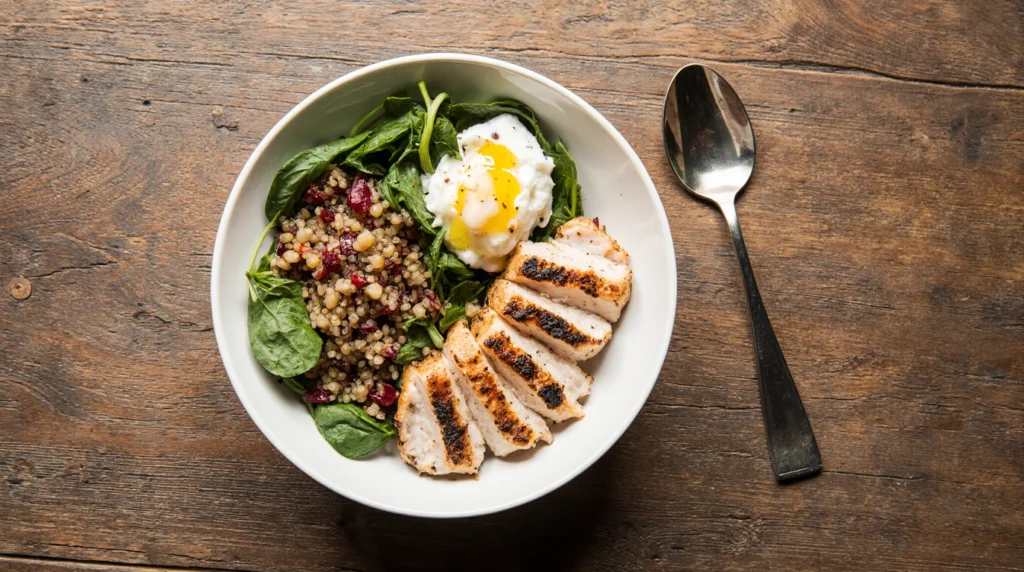
Protein is one of those nutrients you hear about everywhere — but once you understand what it actually does for you, your entire approach to food changes.
Protein Keeps You Full Longer
When you eat a meal rich in protein, your body digests it more slowly than carbs or fats. This slower digestion helps you stay full, satisfied, and focused for hours. If you’ve ever crashed after a carb-heavy lunch, you’ll notice the difference immediately once you switch to protein-rich meals.
Protein Supports Muscle Health and Recovery
Even if you’re not lifting weights, your body constantly uses protein to repair and rebuild tissues. Whether you’re walking, carrying groceries, or stretching, protein keeps your muscles functioning at their best.
Protein Helps Stabilize Your Energy Levels
You know that mid-afternoon dip that sneaks up on you? A high protein lunch helps prevent it. Protein slows the release of glucose into your bloodstream, which keeps your energy steady instead of spiking and crashing.
How Much Protein Should You Aim for?
A commonly used guideline is 0.8 grams of protein per kilogram of body weight, but many people — especially active ones — benefit from more. While the ideal amount varies, what matters most is including protein in each meal, especially during the day when you need fuel the most.
Animal vs. Plant Protein: What’s the Difference?
You’ll also see the phrase complete protein repeated often. This simply means that a food contains all nine essential amino acids — the building blocks your body needs.
- Animal proteins (chicken, fish, eggs, dairy) are naturally complete.
- Plant proteins (lentils, chickpeas, beans, quinoa) can be complete or combined to become complete.
The good news? You don’t need to overthink this. As long as you diversify the foods you eat, you’ll get everything your body needs.
2- What Foods Are High in Protein? Complete List of High Protein-Rich Options
You’re probably looking for foods that give you the biggest nutritional return with the least amount of effort. When you know which ingredients naturally deliver more protein, it becomes much easier to put together meals that actually keep you satisfied. Below, you’ll find a clear breakdown of the best sources of protein — from everyday staples to underrated foods you may not be using enough.
Animal-Based Protein Foods (High Protein Lunch Staples)
Animal-based ingredients tend to offer the highest amount of protein per serving. They’re also naturally complete, meaning they give your body all the essential amino acids in one place.
Here are some protein-rich options you can rely on:
- Chicken breast — easy to meal prep, cooks fast
- Turkey — lean and ideal for sandwiches or bowls
- Tuna — high protein, low-fat, convenient canned option
- Salmon — protein plus omega-3 fats
- Eggs — perfect for breakfast or tossed into lunch bowls
- Greek yogurt — creamy, filling, and great with savory meals
- Cottage cheese — mild flavor and surprisingly versatile
Protein Examples per 100g (Approx.):
- Chicken breast: ~31g
- Tuna: ~29g
- Turkey: ~29g
- Greek yogurt: ~10g
- Eggs (per large egg): ~6g
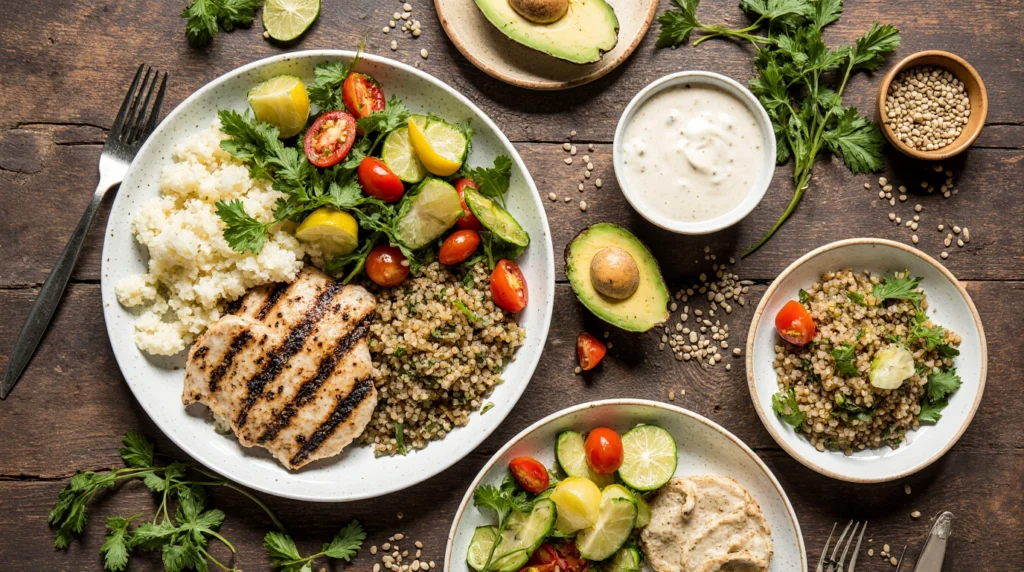
These ingredients work well in bowls, wraps, salads, pasta alternatives, and even quick snack plates when you’re pressed for time.
Plant-Based Protein Foods (Foods That Have Protein Without Meat)
If you prefer more plant-forward meals, or simply like balancing your diet, these foods offer impressive amounts of protein without needing animal ingredients.
- Lentils — one of the highest-protein legumes
- Chickpeas — great for salads, wraps, and roasted snacks
- Black beans and kidney beans — perfect for bowls and soups
- Tofu and tempeh — absorb flavors easily and cook quickly
- Quinoa — one of the few complete plant proteins
- Edamame — delicious, filling, and rich in protein
- Nuts and seeds — almond, chia, pumpkin seeds, peanuts
Quick Highlights:
- Lentils: ~18g protein per cup cooked
- Chickpeas: ~15g per cup
- Edamame: ~17g per cup
- Tempeh: ~19g per 100g
- Quinoa: ~8g per cooked cup
When you combine plant ingredients throughout the day, you easily hit your protein goals — even without relying on meat.
3- High Protein Snacks You Can Add to Any Lunch
Sometimes you need a little extra protein boost without overcomplicating your meal. These snacks fit right beside whatever you’re eating:
- Hard-boiled eggs
- Greek yogurt cups
- String cheese
- Almonds or pistachios
- Protein bars (choose low-sugar types)
- Roasted chickpeas
- Peanut butter or almond butter
These quick additions can turn a lighter meal into something that keeps you focused and steady for hours.
4- High Protein Lunch Meal Ideas (With Ingredients Tables)
Now that you know which foods naturally pack the most protein, it’s time to turn them into real meals — the kind you can prep quickly, enjoy easily, and rely on during busy days. These high protein lunch ideas are made to keep you full, energized, and satisfied without needing complicated techniques or rare ingredients.
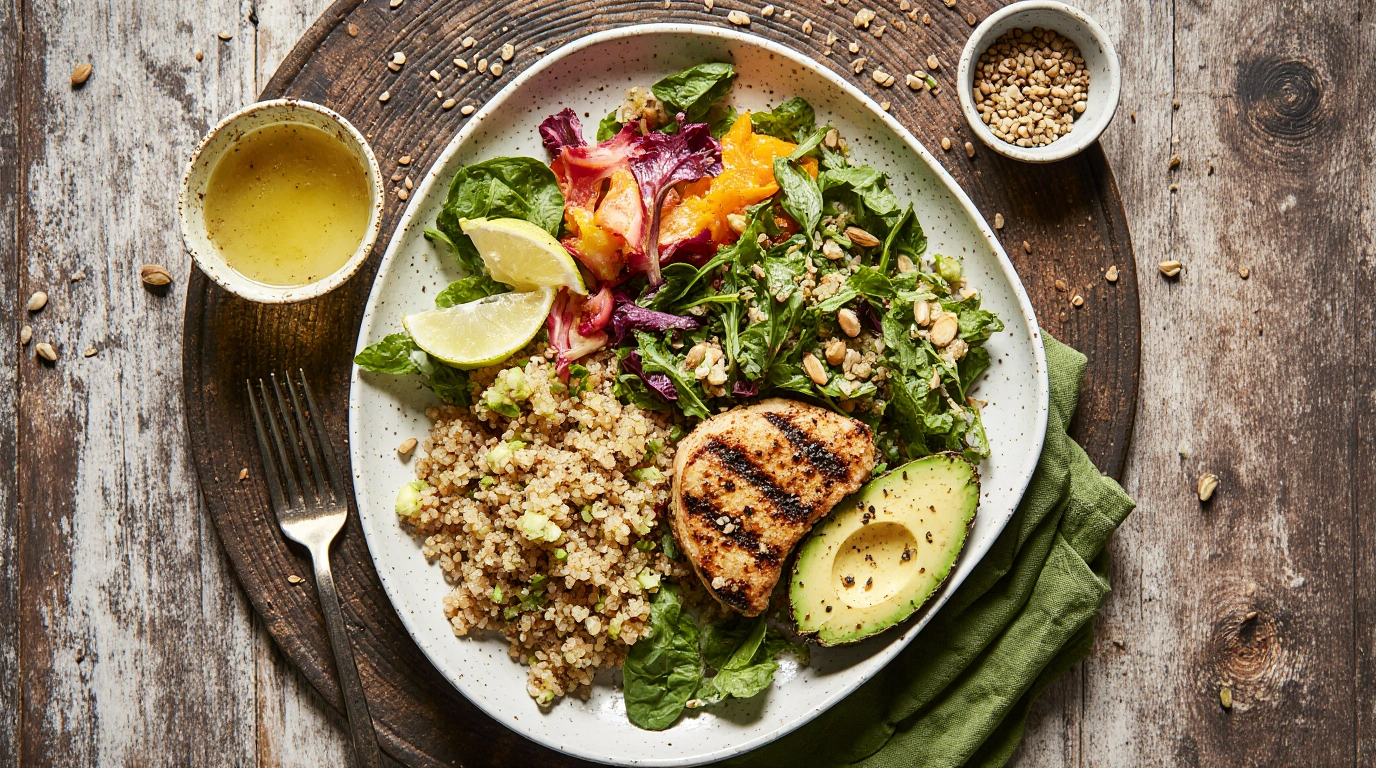
Grilled Chicken & Quinoa Power Bowl
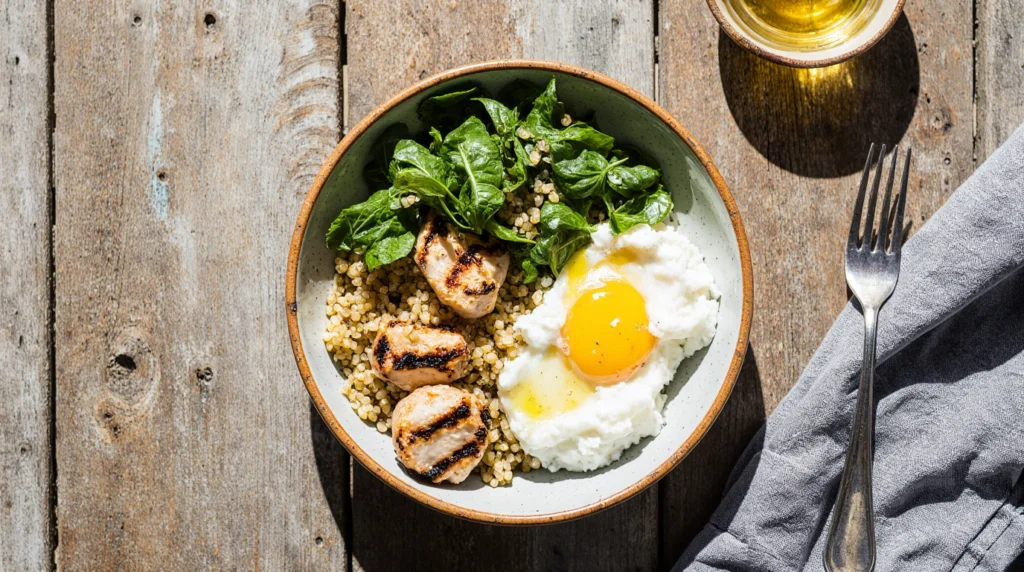
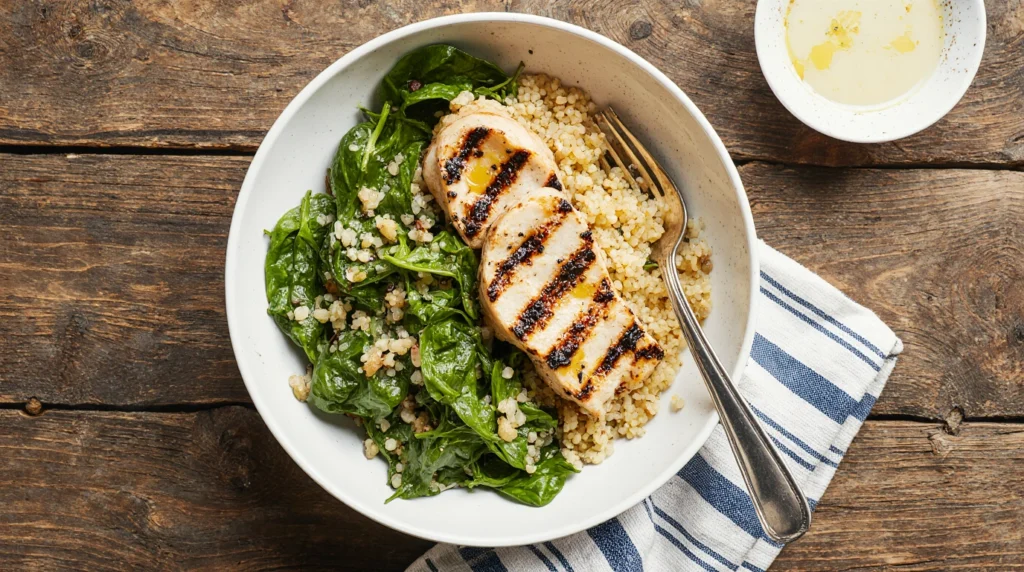
This bowl is one of the easiest ways to build a balanced, high protein lunch without spending all morning cooking. You get lean protein, slow-digesting carbs, and plenty of micronutrients — everything your mid-day meal needs.
Ingredients Table
| Ingredient | Amount | Protein |
|---|---|---|
| Chicken breast | 150g | 31g |
| Quinoa | 1 cup cooked | 8g |
| Spinach | 1 cup | 1g |
| Olive oil | 1 tbsp | 0g |
Why This Meal Works
- You get a strong base of lean protein from the chicken.
- Quinoa gives you steady energy thanks to its complex carbs.
- Spinach boosts your meal with fiber, vitamins, and minerals.
- Very filling without feeling heavy.
Quick Tip
If you grill multiple chicken breasts at once, this bowl becomes a 5-minute lunch for the next two days.
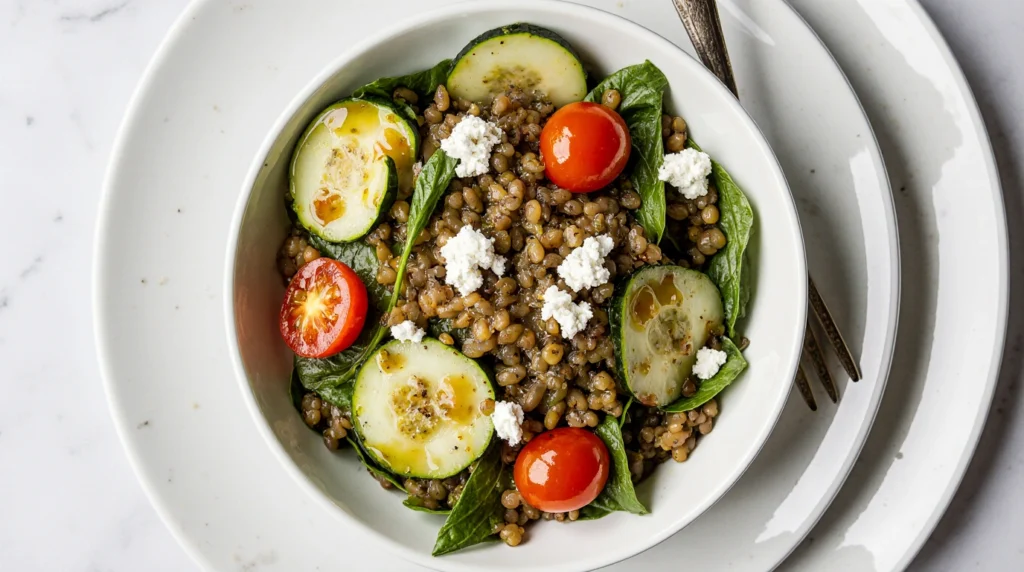
Lentil & Veggie High Protein Salad
This one is perfect when you want something refreshing but still substantial. Lentils offer more protein than most people expect, and they blend beautifully with fresh vegetables.
Ingredients Table
| Ingredient | Amount | Protein |
|---|---|---|
| Cooked lentils | 1 cup | 18g |
| Cherry tomatoes | ½ cup | 1g |
| Cucumbers | ½ cup | 0.5g |
| Feta cheese | ¼ cup | 4g |
Why This Meal Works
- Completely plant-based but still very protein-rich.
- High fiber → helps you stay full and comfortable after lunch.
- Easy to meal prep in a batch for the entire week.
Optional Flavor Boost
Add lemon juice, olive oil, salt, pepper, and oregano for a light Mediterranean-style dressing.
Tuna & Avocado Protein Wrap
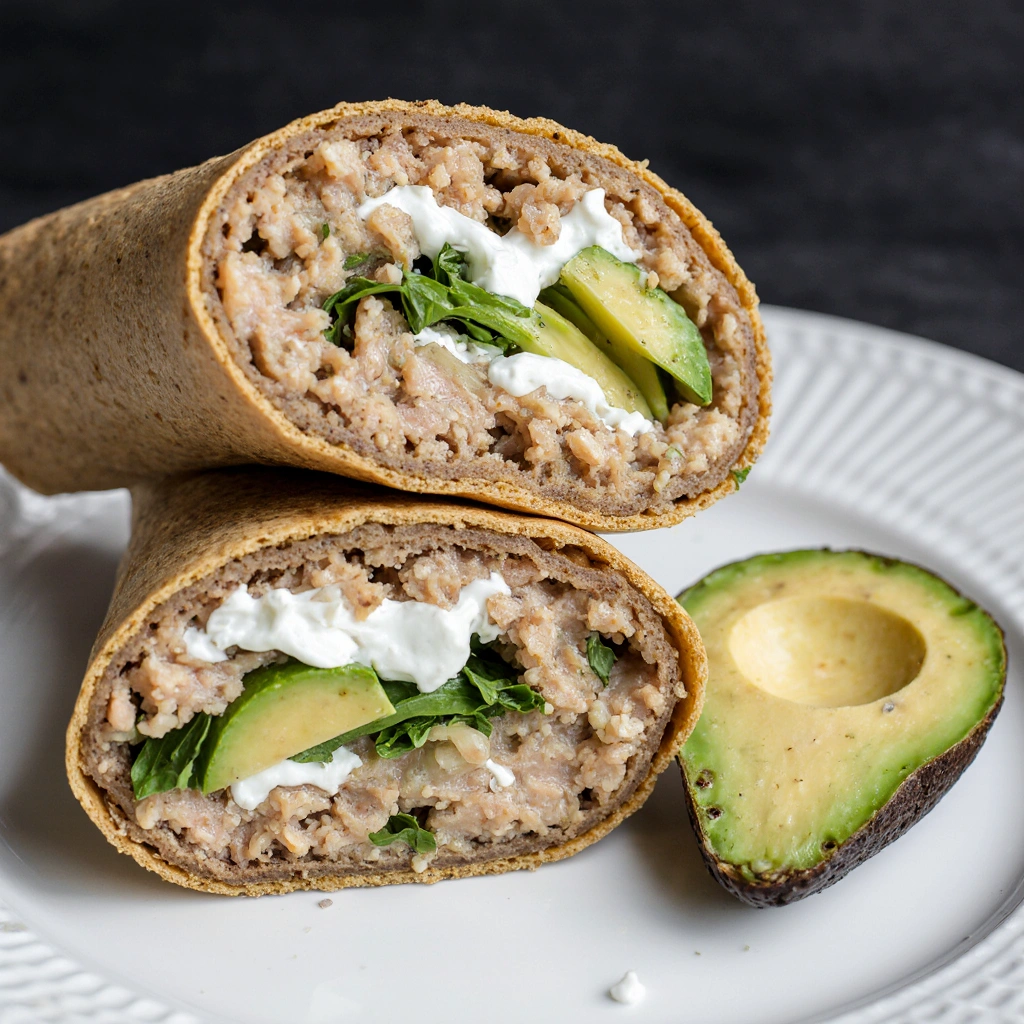
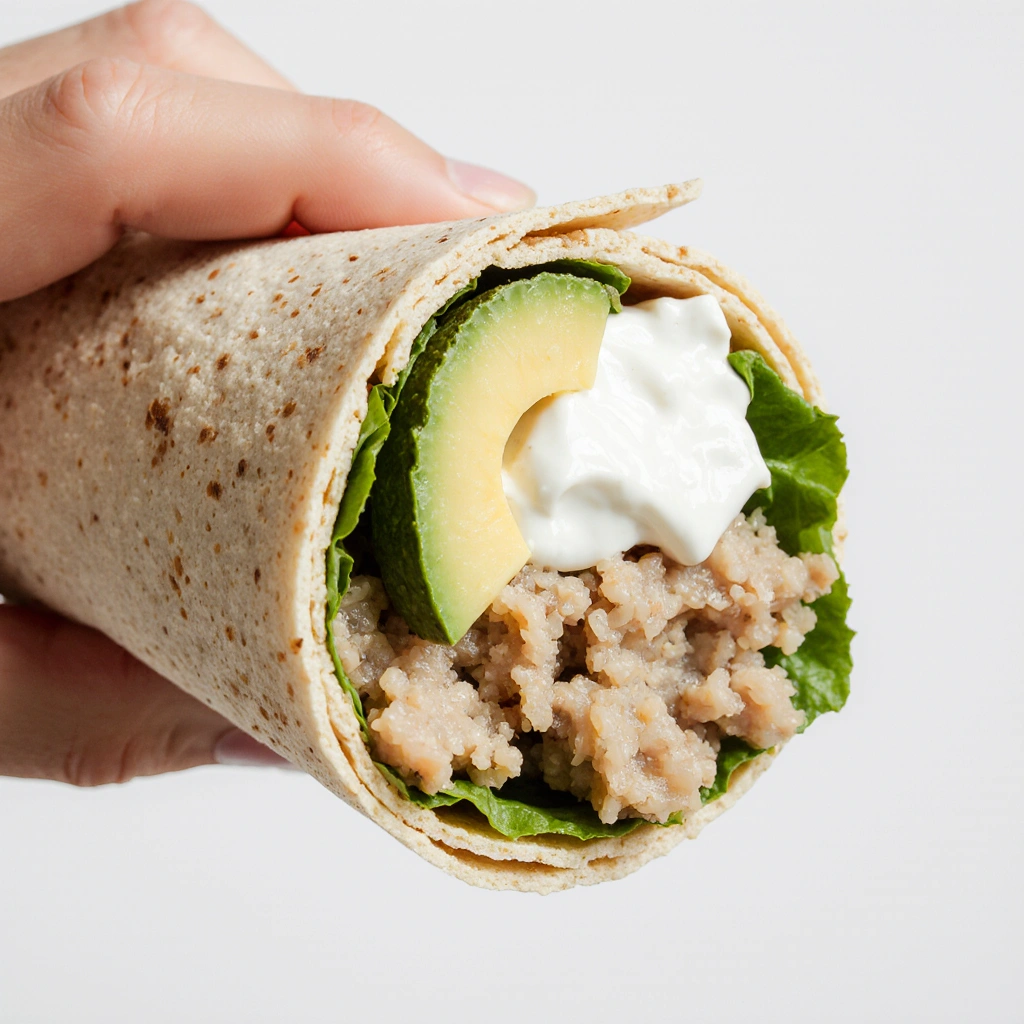
If you like lunches you can take anywhere without worrying about reheating, this wrap is a perfect fit. It’s creamy, filling, and packs a surprising amount of protein for so little effort.
Ingredients Table
| Ingredient | Amount | Protein |
|---|---|---|
| Canned tuna | 1 can | ~20g |
| Whole-grain wrap | 1 | 6g |
| Avocado | ½ | 2g |
| Greek yogurt | 2 tbsp | 2.5g |
Why This Meal Works
- Tuna offers a high amount of lean protein in one small serving.
- Avocado keeps you satisfied thanks to healthy fats.
- The wrap is portable and easy to prepare in under five minutes.
Make It Even Better
Replace mayonnaise with Greek yogurt — you get more protein, less fat, and a fresher taste.
5: Tips for Increasing Protein in Your Daily Meals
You don’t always have to overhaul your entire lunch to get more protein. Small adjustments can make a big difference in how full and energized you feel.
Here are simple, practical ways to boost your protein intake without changing your eating style:
Easy Ways to Add More Protein
- Add Greek yogurt instead of mayo or sour cream.
- Choose high protein pasta made from chickpeas or lentils.
- Stir cottage cheese into sauces or spreads.
- Use quinoa instead of white rice.
- Toss chickpeas or black beans into salads.
- Add edamame to grain bowls.
- Sprinkle pumpkin seeds or hemp seeds on top of meals.
- Keep hard-boiled eggs ready in the fridge for quick additions.
Meal Prep Tip
Cook a batch of your favorite protein source (chicken, tofu, tempeh, lentils, salmon) once or twice a week, and you’ll always have a base for a balanced lunch.
5- Common Mistakes When Choosing High Protein Foods
When you start adjusting your meals to include more protein, a few habits can slow down your progress without you realizing it. Knowing these common mistakes helps you avoid frustration and build lunches that truly work for your body.
Relying Too Much on Processed Protein Snacks
Protein bars and shakes seem convenient, but many of them are loaded with sugars, additives, or artificial flavors. They’re fine in moderation, but your main protein sources should come from real foods that give you nutrients beyond just protein.
Forgetting About Plant-Based Options
Many people focus only on chicken, eggs, or fish. But plant proteins — like lentils, chickpeas, and tempeh — give you fiber, minerals, and long-lasting energy. When you ignore them, you miss out on the balance your body needs.
Choosing High Protein Foods Without Checking the Whole Meal
Protein matters, but so does everything around it. If your lunch is high in protein but low in fiber or healthy fats, you might still feel hungry soon after. A balanced meal keeps you fuller for a longer time.
Ignoring Portion Sizes
Eating too little protein won’t keep you full, and eating too much can feel heavy. A good approach is to aim for one solid protein source per meal and adjust based on your hunger levels and goals.
Not Preparing Ahead of Time
Protein foods generally take a little longer to cook. If you wait until the last minute, you’ll often fall back on quick but less nutritious choices. A bit of planning makes your meals easier and healthier.
Frequently Asked Questions About High Protein Lunches
Below are some of the most common questions people ask when trying to increase their protein intake, each answered with the main topic and keywords included.
What foods are high in protein for a healthy lunch?
Many foods work well for a high protein lunch, such as chicken breast, tuna, salmon, Greek yogurt, lentils, chickpeas, tofu, and hard-boiled eggs. These ingredients help you stay full and energized throughout the day.
Are plant-based proteins enough for a high protein lunch?
Yes, absolutely. Lentils, beans, quinoa, tempeh, edamame, and chickpeas offer impressive protein levels. When you combine them throughout the day, they can easily match or exceed animal-based proteins.
How much protein should you include in a balanced meal?
A typical high protein lunch includes around 20–30 grams of protein. This amount supports energy, muscle repair, and appetite control. You can adjust based on your lifestyle, goals, or activity level.
What are the best quick high protein lunch ideas when you don’t have time?
Tuna wraps, Greek yogurt bowls, cottage cheese with fruit, boiled eggs with hummus, or a pre-cooked chicken breast paired with vegetables are excellent for busy days.
Can high protein lunches help with weight loss?
High protein meals help control hunger by slowing digestion and stabilizing your blood sugar. This makes it easier to avoid overeating and reduces snacking, which supports weight loss goals.
Conclusion
When you start building lunches around protein-rich ingredients, everything becomes easier — your energy lasts longer, your cravings shrink, and your body feels more supported throughout the day. You now have a full list of high protein foods, simple meal ideas, ingredient tables, and practical ways to add more protein without changing how you like to eat.
Whether you prefer chicken, lentils, tuna, tofu, or quinoa, you have countless options to create lunches that work for you. The key is choosing foods that fit your taste, your routine, and your goals.
Call to Action
If you’re ready to feel more energized and satisfied after lunch, start by choosing one high protein recipe from this guide and try it this week. You’ll notice the difference quickly — steadier energy, fewer cravings, and meals that actually keep you full.
And if you want even more high protein lunch ideas, ingredient swaps, or meal plans, feel free to ask. You can build a healthy routine without effort — you just need the right foods to support you.