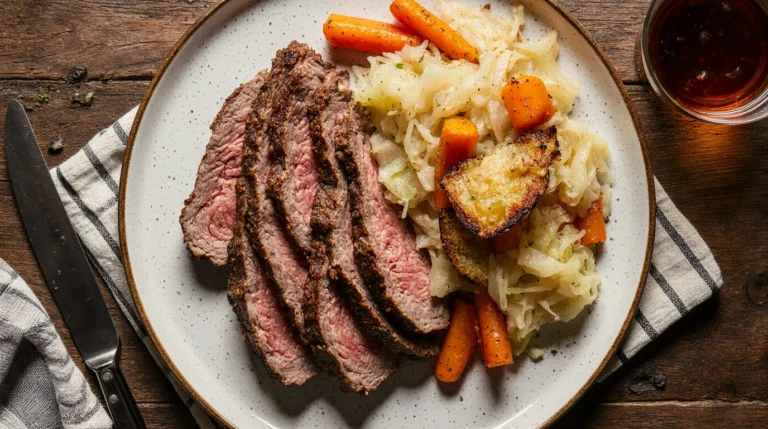
30-Day Carnivore Diet Meal Plan: Daily Meals, Snacks & Recipes for Beginners
Table of Contents
Starting a new eating pattern is never simple, especially when you’ve tried diet after diet and nothing seems to stick. If you’re here, you’re probably looking for something that doesn’t confuse you, stress you, or require you to constantly count, measure, or restrict in strange ways. The carnivore diet feels different because it strips things down to their basics. No guessing. No complicated rules. Just real food you already recognize.
Maybe you’ve felt tired of bloating, cravings, or the never-ending rollercoaster of hunger spikes. Or perhaps you’re simply curious about what would happen if you gave your body 30 days of clean, animal-based eating. Whatever brought you here, this 30-day carnivore diet meal plan gives you a day-by-day structure so you know exactly what you’re eating, why you’re eating it, and how to get through the month without feeling lost.
This guide speaks to you directly, without fluff, without jargon — just practical steps, meals you can prepare quickly, and solutions for the common struggles you might face during the first few days. Let’s walk through this journey one meal at a time.
What Is the Carnivore Diet?
The Basic Principles (Carnivore Diet for Beginners)
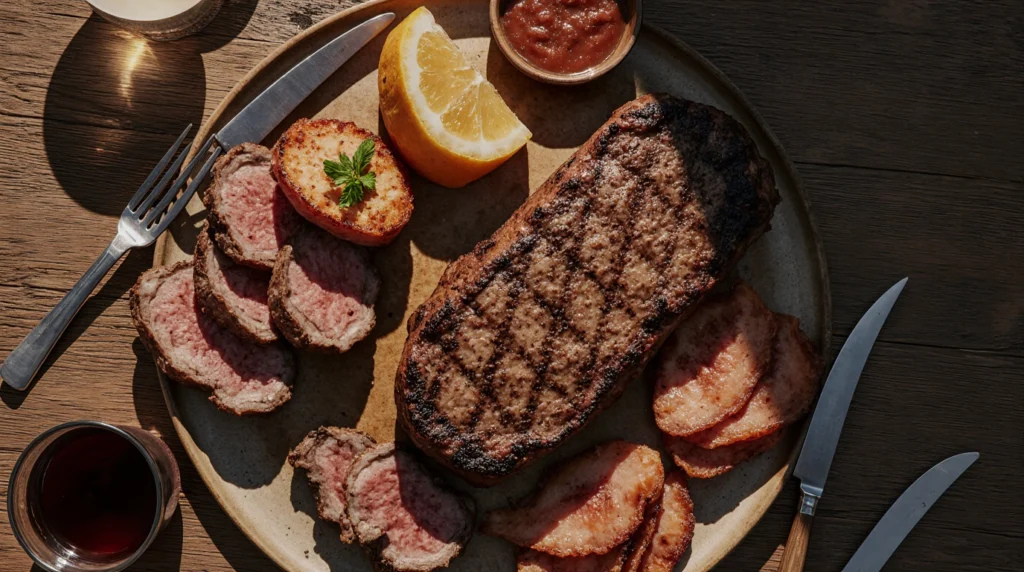
The carnivore diet is as simple as it sounds: you eat only animal foods. No plants, no sugars, no grains, no oils extracted from seeds — just real protein and natural fats that keep you full for hours. You focus on food that your body can break down easily, helping you stabilize your appetite and energy levels.
Here’s what defines it:
- You eat from animal sources only.
- You rely on fat as your primary fuel.
- You naturally cut carbs to nearly zero.
- You reduce inflammation-triggering foods.
- You let your hunger regulate itself naturally.
For beginners, the simplicity is a relief. You don’t track calories. You don’t weigh meals. You just eat until you feel satisfied — not stuffed — and let your body adjust.
Expected Benefits of a 30-Day Carnivore Diet
Many people report noticeable changes in as little as 7 days, but the full 30 days often bring more stable, long-lasting improvements. You might experience:
- A reduction in bloating or digestive issues
- Steady weight loss without feeling deprived
- Mental clarity and better focus
- Stronger, more consistent energy
- Controlled appetite and fewer cravings
- Improved skin texture
- Better sleep
- Stabilized mood
- Enhanced muscle recovery
Everyone’s experience is different, but most people appreciate how predictable their energy becomes once they switch to a meat-based eating pattern.
Who Should Avoid the Carnivore Diet (Precautions)
Who Should Avoid the Carnivore Diet: Precautions You Need to Know
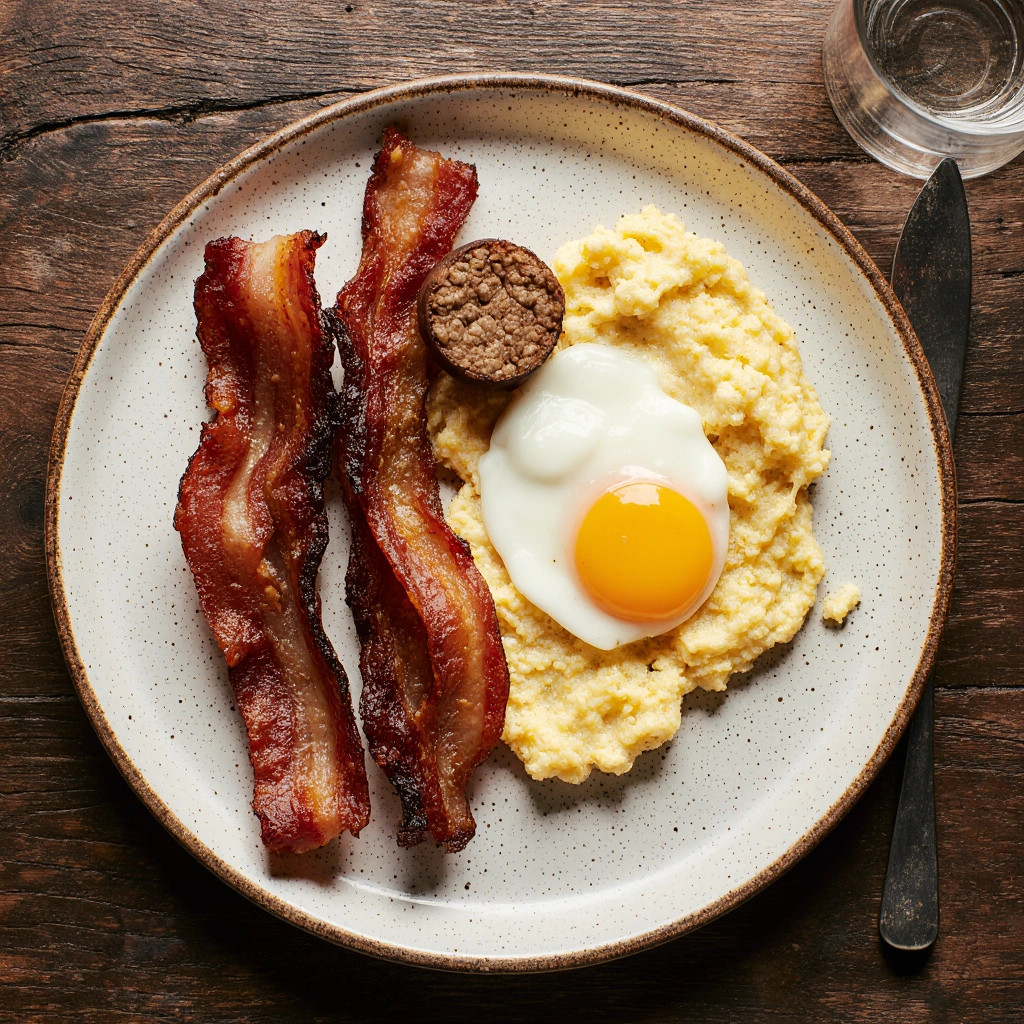
While the carnivore diet can offer many benefits, it isn’t suitable for everyone. You need to be aware of potential risks before starting, especially if you have existing health conditions. Understanding who should avoid the carnivore diet helps you stay safe and prevents unwanted side effects.
You might want to skip this diet or consult a healthcare professional if you:
- Are pregnant or breastfeeding – Your body requires a variety of nutrients from multiple food groups to support both you and your baby. A strict carnivore diet may lack essential vitamins and fiber.
- Have kidney disease or impaired kidney function – High-protein diets can put extra strain on your kidneys, potentially worsening kidney problems.
- Take medications that affect electrolytes or blood pressure – The carnivore diet can alter sodium, potassium, and magnesium levels, which may interfere with certain prescriptions.
- Have chronic conditions like heart disease, diabetes, or liver issues – Extreme dietary changes could trigger complications, so medical supervision is crucial.
- Are prone to digestive disorders – Conditions like gallstones, pancreatitis, or inflammatory bowel disease may worsen if your diet lacks fiber or plant-based nutrients.
Tips for Staying Safe on the Carnivore Diet:
- Always consult your doctor or a registered dietitian before starting, especially if you fall into any of the categories above.
- Start slowly — try a modified or partial carnivore approach before committing fully.
- Track your energy, digestion, and overall wellbeing during the first few weeks.
- “Who should avoid the carnivore diet” (main keyword)
- “Carnivore diet risks”
- “Precautions on carnivore diet”
- “Carnivore diet for beginners safety”
- “Health conditions and carnivore diet”
What Can You Eat on a 30-Day Carnivore Diet?
Complete Carnivore Food List (Foods to Eat on Carnivore Diet)
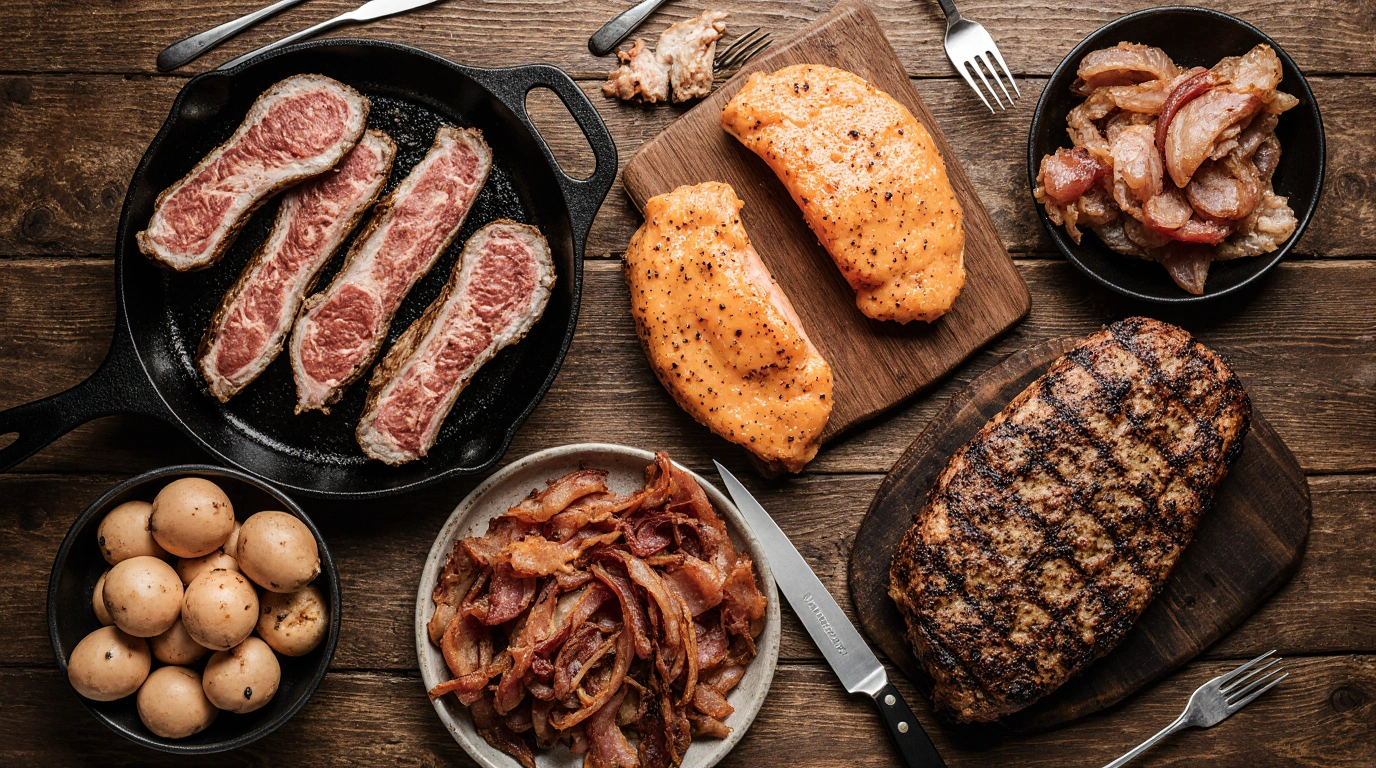
You’ll want to stock your kitchen with foods that keep you full and satisfied. Here’s your go-to list:
Meat (Primary Foods)
- Ribeye steak
- Ground beef (80/20 for more fat)
- Beef ribs
- New York strip
- Lamb chops
- Lamb shoulder
- Pork belly
- Pork chops
- Bacon (sugar-free)
Seafood & Fish
- Salmon
- Sardines
- Shrimp
- Cod
- Mackerel
- Tuna
Eggs
- Whole eggs cooked in butter, tallow, or ghee
Animal Fats
- Butter
- Ghee
- Beef tallow
- Duck fat
Organ Meats
- Liver
- Heart
- Kidney
Extras Allowed
- Bone broth
- Salt
- Electrolytes without sugar
- Coffee (optional depending on strictness)
Foods to Avoid Completely
You’ll want to skip:
- Vegetables
- Fruits
- Nuts and seeds
- Seed oils (canola, sunflower, corn)
- Sugary drinks
- Anything processed with additives
- Grains and breads
- Legumes
- Sweeteners of all kinds
30-Day Carnivore Diet Meal Plan (Full Daily Structure)
Below is your full day-by-day plan. Each day includes breakfast, lunch, and dinner to eliminate guesswork.
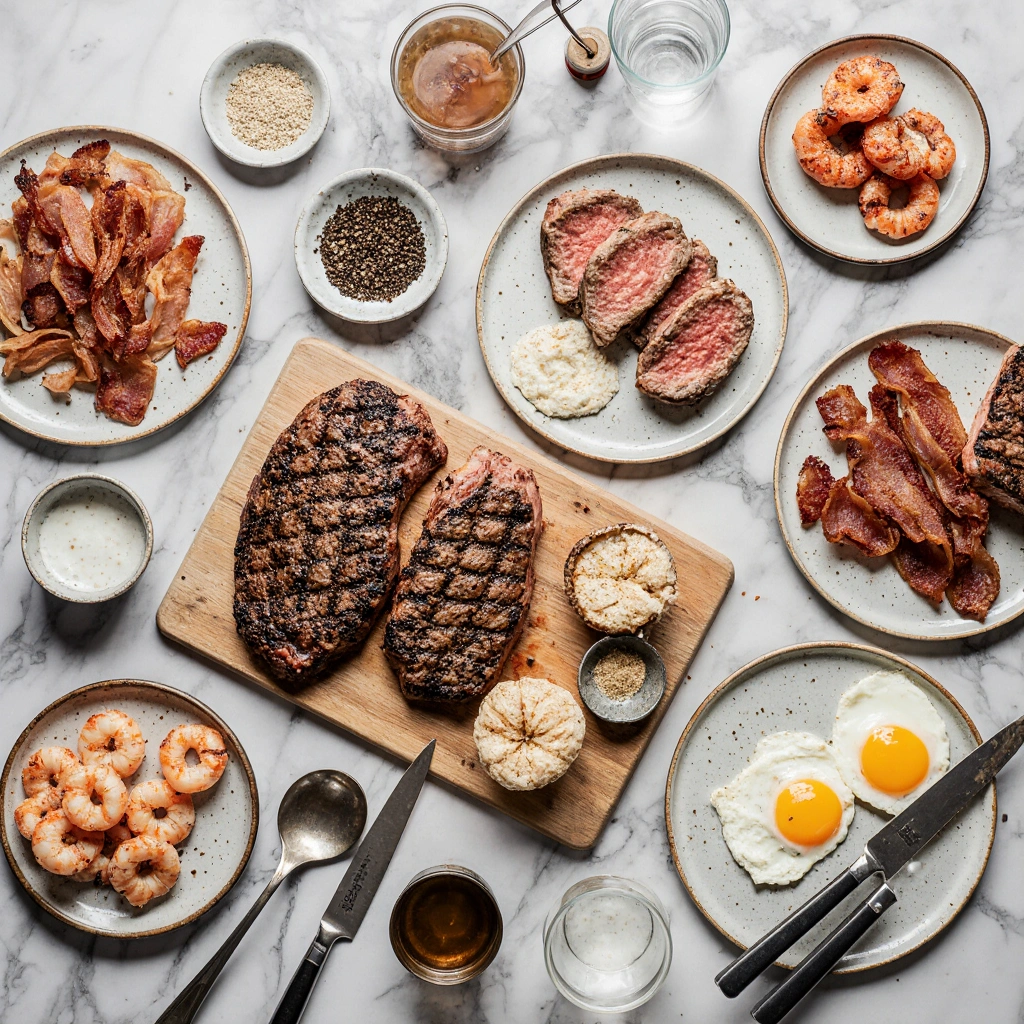
Full 30-Day Meal Plan Table
| Day | Breakfast | Lunch | Dinner |
|---|---|---|---|
| 1 | 3 eggs in butter | Ribeye steak | Salmon in ghee |
| 2 | Bacon + eggs | Ground beef patties | Lamb chops |
| 3 | Omelette + butter | Bone broth + steak | Beef ribs |
| 4 | Scrambled eggs | Pork belly | Shrimp + butter |
| 5 | Hard-boiled eggs | Chicken thighs | Ribeye |
| 6 | Bacon | Lamb shoulder | Salmon |
| 7 | 3-egg omelette | Beef patties | Pork chops |
| 8 | Eggs cooked in tallow | Beef liver | Ribeye |
| 9 | Sardines | Ground beef | Lamb chops |
| 10 | Bacon + eggs | Shrimp | Beef ribs |
| 11 | Salmon | Chicken wings | Steak |
| 12 | Eggs + butter | Pork belly | Lamb shanks |
| 13 | Beef patties | Sardines | Ribeye |
| 14 | Shrimp bowl | Ground beef | Salmon |
| 15 | 3 eggs | Beef ribs | Lamb chops |
| 16 | Tuna | Pork chops | Steak |
| 17 | Eggs + tallow | Chicken thighs | Ribeye |
| 18 | Sardines | Lamb shoulder | Salmon |
| 19 | Bacon | Ribeye | Beef ribs |
| 20 | Omelette | Ground beef | Lamb chops |
| 21 | Eggs | Chicken wings | Beef patties |
| 22 | Bacon + eggs | Shrimp | Ribeye |
| 23 | Hard-boiled eggs | Pork belly | Salmon |
| 24 | Beef patties | Sardines | Lamb shanks |
| 25 | Salmon | Ground beef | Steak |
| 26 | Eggs | Ribeye | Pork chops |
| 27 | Shrimp | Chicken thighs | Beef ribs |
| 28 | 3-egg omelette | Lamb shoulder | Salmon |
| 29 | Bacon | Ground beef | Ribeye |
| 30 | Eggs + butter | Beef liver + patties | Steak |
Carnivore Diet Recipes (With Tables)
These simple recipes keep your meals flavorful and easy.
Ribeye Steak & Butter
Ingredients Table
| Ingredient | Quantity |
|---|---|
| Ribeye | 1 steak |
| Butter | 1 tbsp |
| Salt | To taste |
Instructions:
Heat your pan, add butter, sear steak on each side until golden. Salt to taste and rest 5 minutes.
Crispy Salmon in Ghee
Ingredients Table
| Ingredient | Quantity |
|---|---|
| Salmon | 1 fillet |
| Ghee | 1–2 tbsp |
| Salt | To taste |
Instructions:
Warm ghee, place salmon skin-side down, cook until edges crisp. Flip briefly and serve.
Ground Beef Bowl
Ingredients Table
| Ingredient | Quantity |
|---|---|
| Ground beef | 250g |
| Tallow | 1 tbsp |
| Salt | To taste |
Instructions:
Cook beef in tallow until browned. Salt before serving.
Snacks for the Carnivore Diet
Even though the carnivore diet focuses on full, protein- and fat-rich meals, you might sometimes need snacks for the carnivore diet to stay energized between meals. Choosing the right snacks can help you avoid cravings and keep your progress on track.
Top Carnivore-Friendly Snacks
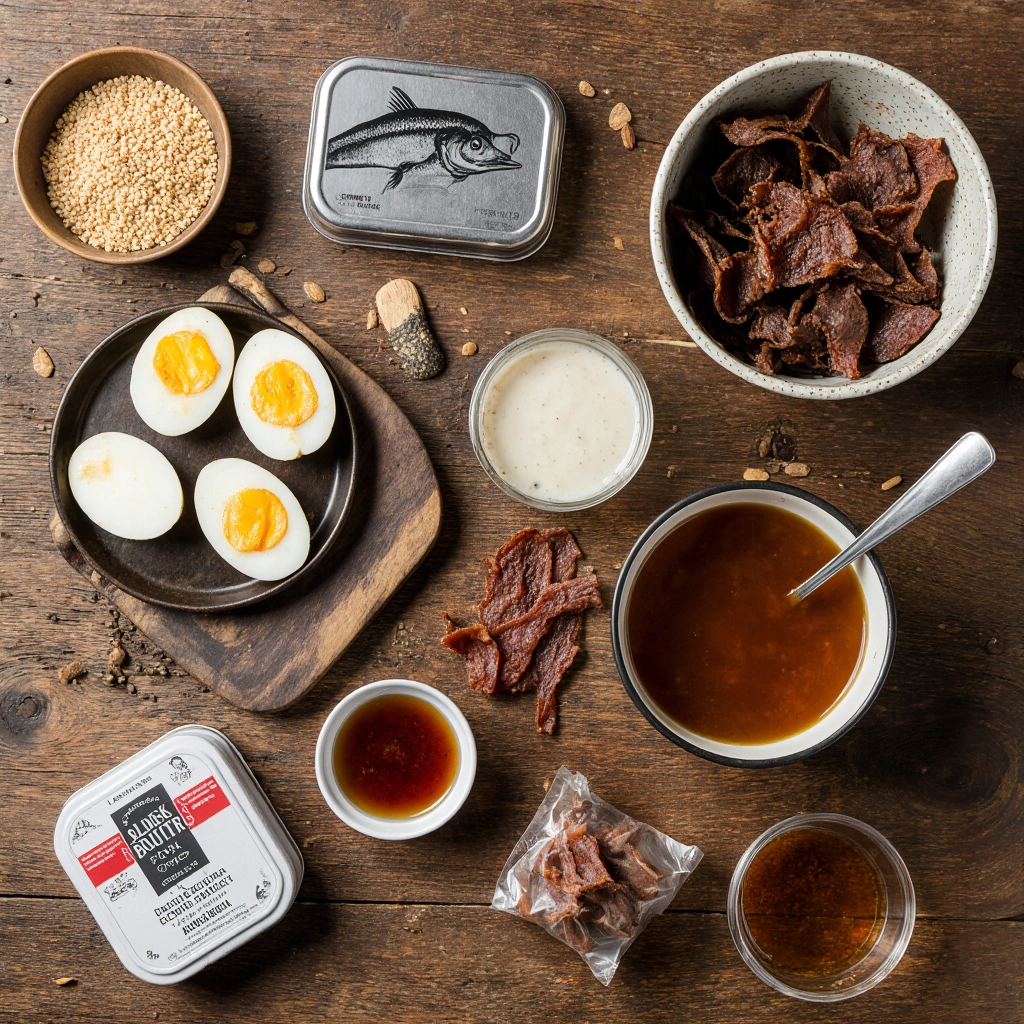
- Hard-Boiled Eggs – Portable, protein-packed, and easy to prepare. Great for keeping hunger at bay.
- Beef Jerky (Sugar-Free) – Look for jerky with no added sugars or preservatives. Perfect for travel or quick bites.
- Pork Rinds – Crispy, satisfying, and zero-carb, they can replace traditional crunchy snacks.
- Canned Sardines or Tuna – Full of protein and omega-3 fats, these are nutrient-dense snack options.
- Leftover Steak or Roast – Reheat small portions from previous meals for a high-protein snack.
- Bone Broth – Not only warming and filling but also a source of electrolytes and collagen.
- Cheese (Optional for Some Variants) – Hard cheeses like cheddar or parmesan can fit into certain carnivore approaches.
Tips for Snacking on a Carnivore Diet
- Eat Only When Hungry – Because your meals are filling, you may notice your appetite decreases. Don’t snack out of boredom.
- Prioritize Protein & Fat – Snacks should support your satiety and energy, not trigger insulin spikes.
- Prepare in Advance – Boil eggs, portion beef sticks, or pre-portion jerky to make snacks convenient.
- Avoid Non-Carnivore Ingredients – Skip any snacks with sugar, grains, or vegetable oils.
Tips for Success on a 30-Day Carnivore Diet
Hydration and Electrolytes
- Add salt to meals generously
- Use electrolyte mixes without sugar
- Drink plenty of water
This prevents headaches, fatigue, and dizziness.
Managing Adaptation Symptoms
During the first week, you may feel:
- Fatigue
- Cravings
- Light headaches
- Digestive shifts
Reduce symptoms by increasing salt and eating fattier cuts.
Budget Tips
- Buy meat in bulk
- Choose ground beef often
- Look for sales on fatty cuts
Common Mistakes to Avoid on a Carnivore Diet
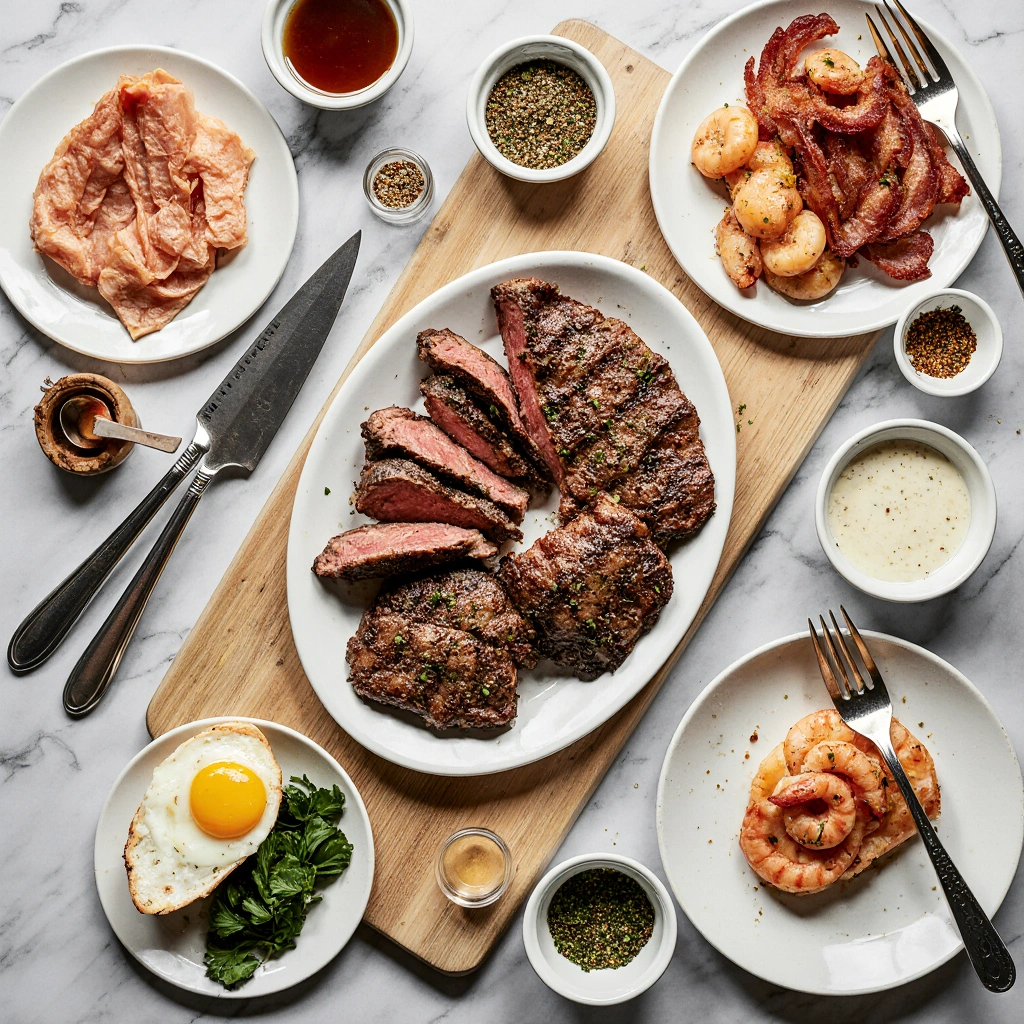
Starting a carnivore diet can feel simple, but there are several pitfalls that many beginners fall into. Avoiding these mistakes will help you stay on track, prevent frustration, and maximize your results.
1. Eating Too Lean
One of the biggest mistakes you can make is choosing only lean cuts of meat. While it might seem healthier, lean meats lack sufficient fat, which is your body’s main energy source on a carnivore diet. Without enough fat, you may experience:
- Fatigue or low energy
- Increased cravings
- Difficulty staying full between meals
Tip: Prioritize fatty cuts like ribeye, pork belly, lamb shoulder, or chicken thighs to keep your energy and satiety high.
2. Under-Eating
Another common mistake is not eating enough. Since you’re relying on protein and fat instead of carbs, your body may naturally regulate how much you need — but some beginners still eat too little, especially during the first week.
Consequences of under-eating:
- Persistent hunger
- Low energy
- Slower fat adaptation
- Potential muscle loss
Tip: Eat until you feel satisfied, not stuffed, and make sure each meal includes enough fat to sustain you.
3. Ignoring Electrolytes
On a carnivore diet, your body excretes more sodium and electrolytes. Neglecting them can lead to “keto flu”-like symptoms:
- Headaches
- Dizziness
- Muscle cramps
- Fatigue
Tip: Add salt generously to your meals, and consider electrolyte supplements (magnesium, potassium, sodium) to prevent deficiencies.
4. Not Tracking Your Progress
It’s easy to feel lost when switching to a new eating pattern. Not tracking your meals, weight, or how you feel can make it harder to see results or adjust your approach.
Tip: Keep a simple journal or use a tracking app to note:
- Energy levels
- Hunger cues
- Body measurements or weight
- Any digestive changes
Tracking helps you identify what’s working and what needs adjusting without guesswork.
5. Skipping Adaptation Symptoms
Many beginners give up during the first few days because they feel low energy, cravings, or digestive discomfort. These symptoms are normal as your body adapts to using fat as fuel.
Tip: Stay patient. Increase fat intake, hydrate, and maintain electrolytes. These issues usually pass within 5–7 days.
6. Including Non-Carnivore Foods
Some beginners sneak in fruits, vegetables, or processed snacks. Even small amounts of sugar or carbs can trigger cravings and slow fat adaptation.
Tip: Stick strictly to carnivore-approved foods for the first 2–3 weeks to let your body adjust fully.
Frequently Asked Questions
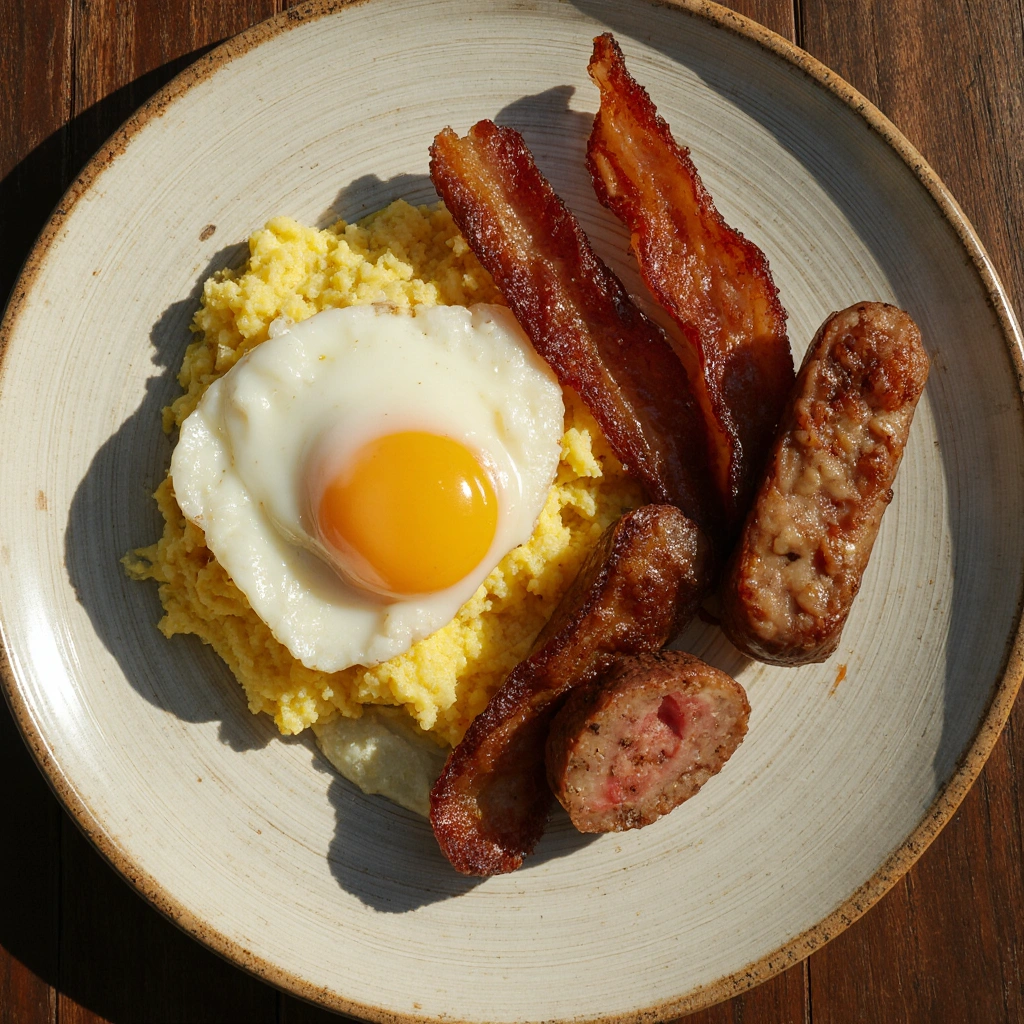
1. What is the best meat for a 30-day carnivore diet meal plan?
Ribeye because the fat-to-protein ratio keeps you full.
2. Can beginners follow a 30-day carnivore meal plan safely?
Most people can if they add enough fat and salt.
3. How much should you eat daily?
Until satisfied — not stuffed.
4. Are snacks allowed?
Yes, but ideally minimized.
5. What drinks are allowed?
Water, bone broth, optional black coffee.
6. Can you lose weight on this?
Yes — most people see fat loss quickly.
7. Do you have to eat organ meats?
Optional but good for nutrients.
Conclusion
When you step into a 30-day carnivore diet meal plan, you aren’t just changing how you eat — you’re giving your body a reset. You’re simplifying your choices, stabilizing your energy, and seeing what happens when you fuel your body with nutrient-dense foods that keep you satisfied.
Take this journey one day at a time, follow the meals, listen to your hunger, and trust the process. You might be surprised by how much better you feel in a matter of days. And if you’re ready to take control of your health, you can start today — your next meal is already planned for you.