Beef Liver Recipes: High-Protein Meals for Healthy Eating
Table of Contents
When you first hear the words beef liver, there’s a good chance you picture something old-fashioned, strong-tasting, or simply unfamiliar. Maybe you grew up watching someone in the family prepare it, or perhaps you’ve always brushed it aside at the butcher’s counter, unsure how to turn it into something you’d actually want on your plate. But once you understand just how nutrient-rich, protein-dense, and surprisingly versatile beef liver can be, you start to see it in a completely different light.
If you’ve been searching for meals that boost your energy, support your fitness goals, and offer real nourishment, beef liver quietly checks every box. It’s one of the most underrated superfoods you can bring into your kitchen — and once you learn how to prepare it the right way, you might even find yourself craving it more often than you expect.
In this guide, you’re going to discover why beef liver deserves a spot in your meal rotation, how to choose and prep it like a pro, and how to make high-protein beef liver recipes that taste genuinely delicious. Whether you’re trying to fuel your workouts, improve your nutrient intake, or simply explore healthier meals, you’ll walk away with everything you need to enjoy beef liver with confidence.
Why Beef Liver Is a Superfood for Health Enthusiasts
Nutritional Benefits of Beef Liver
You’ve probably heard people say that beef liver is “packed with nutrients,” but what does that really mean? When you look closer, you’ll see that beef liver isn’t just nutritious — it’s one of the most nutrient-dense foods you can include in your diet.
Here’s what you get in every serving:
- High-quality protein: Supports muscle repair, keeps you full, and balances energy levels.
- Vitamin A: Excellent for vision, immune strength, and skin health.
- Vitamin B12: Essential for focus, energy production, and red blood cell formation.
- Iron: Vital for oxygen circulation and preventing tiredness.
- Folate, copper, choline, riboflavin, and more: Each contributes to organ health, brain function, and metabolic support.
When you combine all these nutrients in one food — and add the fact that beef liver is low-calorie compared to many meats — it becomes clear why athletes, nutritionists, and health-focused eaters appreciate it so much.
Validated Health Benefits
Beef liver isn’t a trendy superfood without evidence. Research consistently highlights its benefits:
- It supports muscle growth thanks to its amino acid composition.
- It boosts immune health because of its vitamin and mineral density.
- It improves energy levels with a combination of B vitamins and iron.
- It helps support cell repair, making it great for people with active lifestyles.
If you’ve been wanting to upgrade your meals without overly complicating your routine, beef liver is one of the simplest ways to do so.
How to Choose and Prepare Beef Liver
When you’re working with beef liver, the quality of the cut and the way you prepare it will completely shape your final dish. Even a beginner can turn liver into something tender and flavorful, as long as you start with the right piece and follow a few simple steps. Here’s how you can make sure your beef liver comes out perfect every time.
How to Choose the Best Beef Liver
You don’t need to overthink the selection process, but paying attention to a few small details will make a noticeable difference:
1. Look for Fresh, Vibrant Color
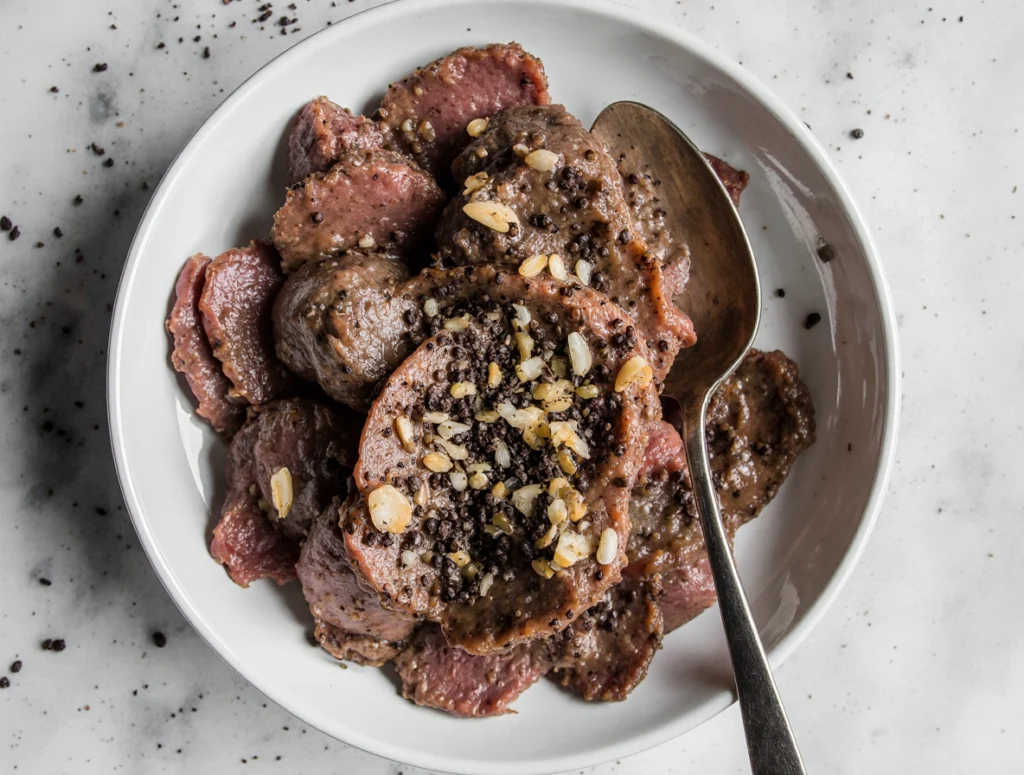
Fresh beef liver has a deep, reddish-brown tone that looks rich and smooth.
If the piece looks dull, grayish, or dry around the edges, it’s better to skip it.
You want liver that looks plump and moist, not mushy or fragile.
2. Choose Grass-Fed or Organically Raised Liver When Possible
You’ll often taste a difference with grass-fed beef liver.
It tends to be milder, cleaner in flavor, and usually richer in nutrients.
If you’re buying from a butcher, don’t hesitate to ask where it came from.
3. Pay Attention to Texture
Touch matters.
If the liver feels overly soft, sticky, or falls apart too easily, it may not be at its best.
A good-quality piece should be firm yet pliable — not too stiff, not too mushy.
4. Frozen Liver Works Too — With One Condition
You can get excellent results from frozen liver as long as the packaging is sealed tight and free of frost.
Ice buildup usually means the liver has been sitting for a while, which can affect taste.
How to Prepare Beef Liver So It Tastes Better
Even people who think they don’t like liver usually change their minds after tasting it prepared correctly.
The secret isn’t complicated — it’s all in the soaking and slicing.
1. Soak the Liver to Reduce Strong Flavors
Before you start cooking, soak the liver slices for 30–60 minutes in one of the following:
- Milk
- Buttermilk
- Lemon water
- Light saltwater
Soaking helps soften the flavor, removes bitterness, and gives you a milder, more enjoyable taste.
After soaking, rinse the slices lightly and pat them dry with paper towels.
2. Slice the Liver Evenly
Consistency matters when you’re cooking liver.
Cutting the slices too thick can leave the center rubbery, while thin, uneven slices can dry out.
Aim for thin, uniform cuts so everything browns evenly in the pan.
3. Remove Membranes or Veins
If your piece still has the thin outer membrane attached, peel it away gently.
The membrane doesn’t soften during cooking and can give your dish a chewy texture.
Removing it takes only a minute but improves the result significantly.
4. Season Simply — Let the Flavor Shine
You don’t need an elaborate spice mix; liver has its own character.
A light sprinkle of:
- Salt
- Pepper
- Garlic powder
- Paprika
…is often enough to bring out a rich depth of flavor.
5. Don’t Overcook It — This Is the Golden Rule
The quickest way to ruin beef liver is to leave it on the heat too long.
Overcooked liver becomes firm and grainy, losing the tenderness that makes it enjoyable.
Your best results come from:
- Medium heat
- 3–4 minutes per side
- Slight browning on the outside
- Soft, tender inside
You’ll know it’s ready when it feels springy to the touch — not hard.
Why Proper Preparation Matters
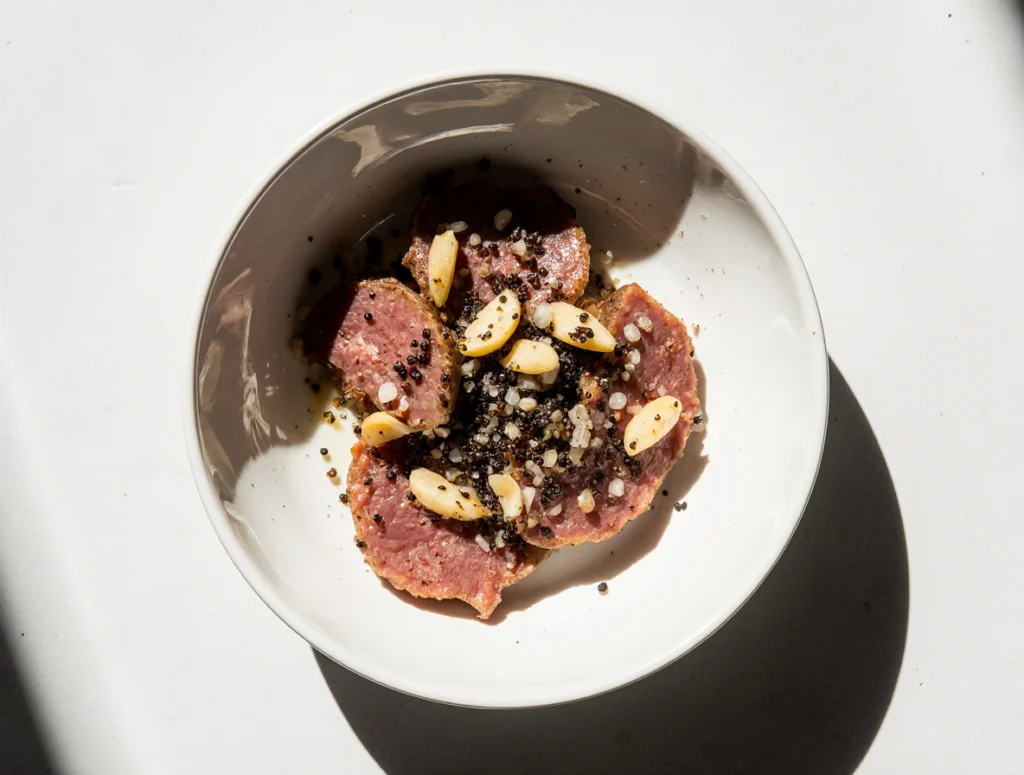
Taking a little extra time during the prep stage turns beef liver from something you “tolerate” into something you genuinely enjoy.
When you choose a fresh piece, soak it to balance the flavor, slice it evenly, and cook it just long enough to stay tender, you’ll get a dish that’s bold, satisfying, and surprisingly comforting.
If you’re new to cooking beef liver, these steps give you a strong foundation.
Once you’ve tried them a few times, you’ll start experimenting with herbs, marinades, and new cooking styles — and that’s where the fun really begins.
High-Protein Beef Liver Recipes You Can Make at Home
Now comes the part you’ve been waiting for — the recipes. Each dish is designed to give you a high-protein meal that fits easily into your healthy eating habits. You’ll find options that work for busy nights, meal prepping, or even quick breakfasts.
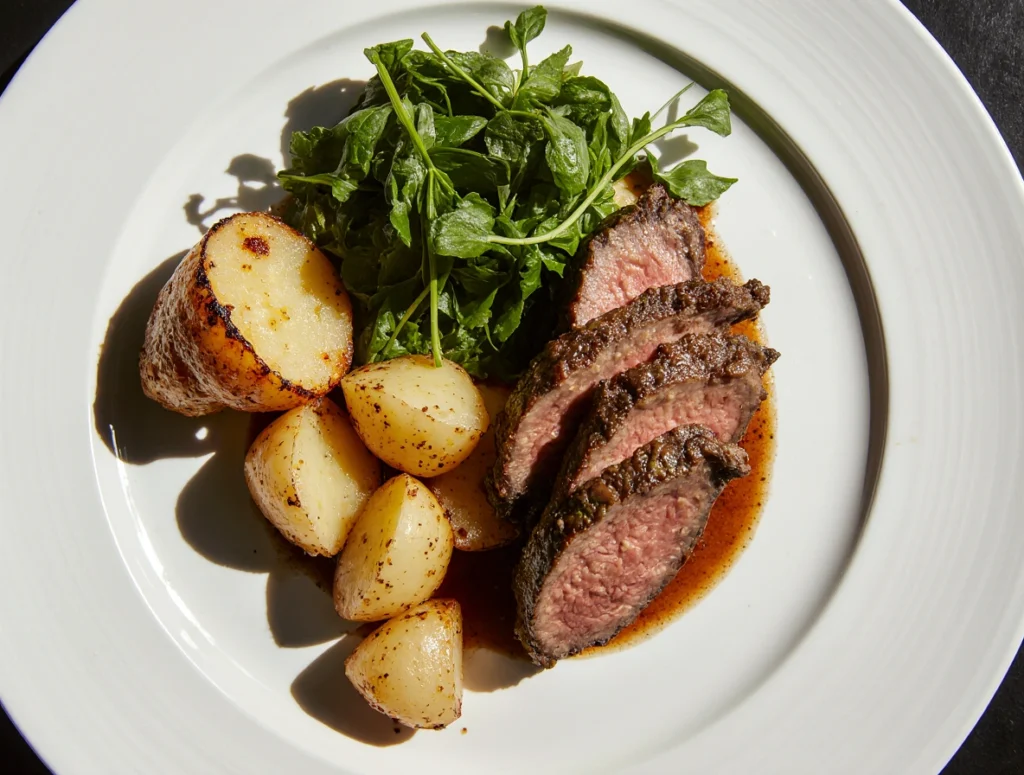
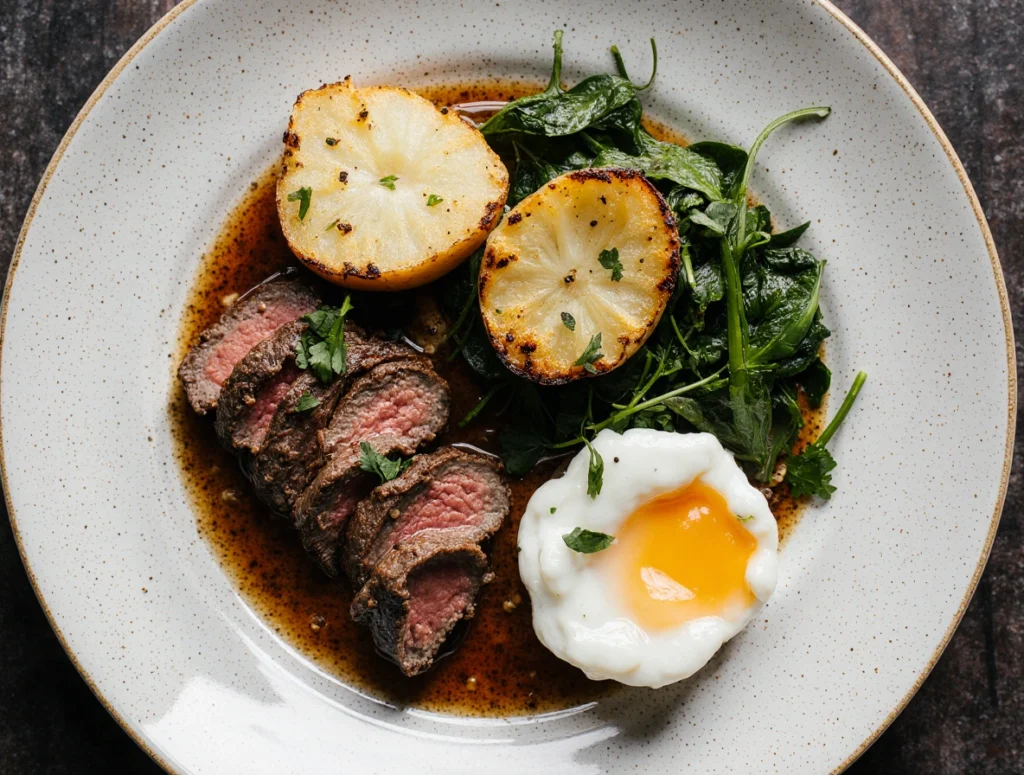
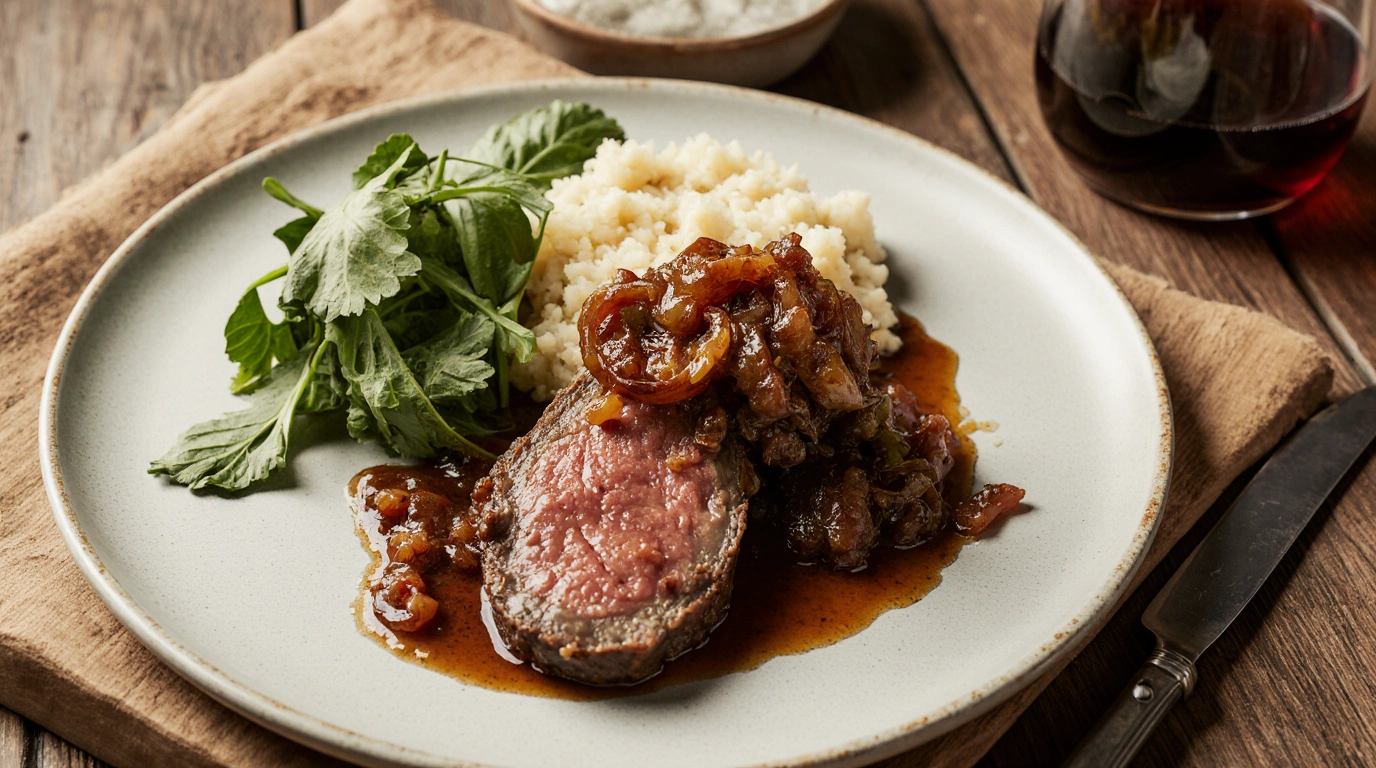
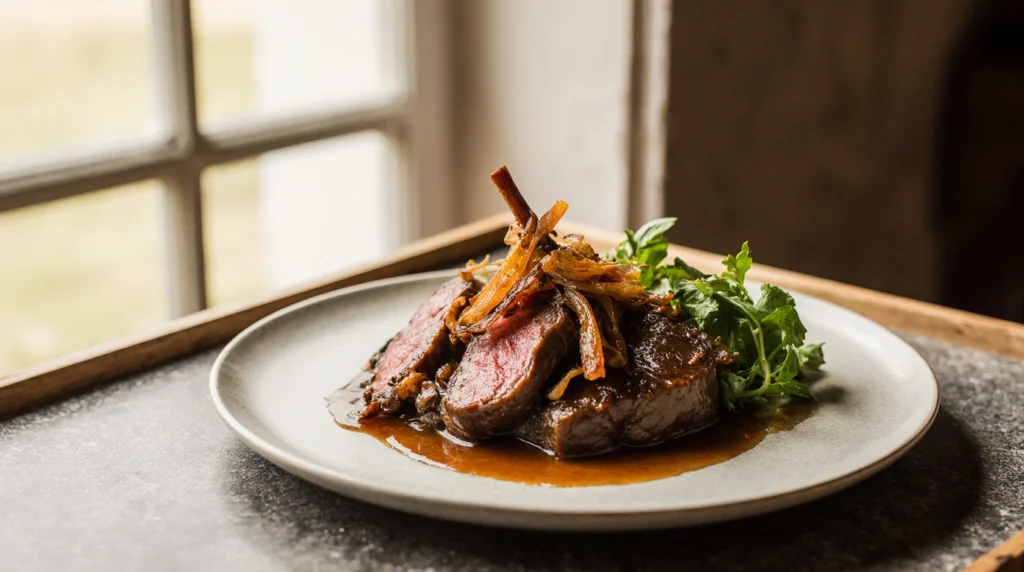
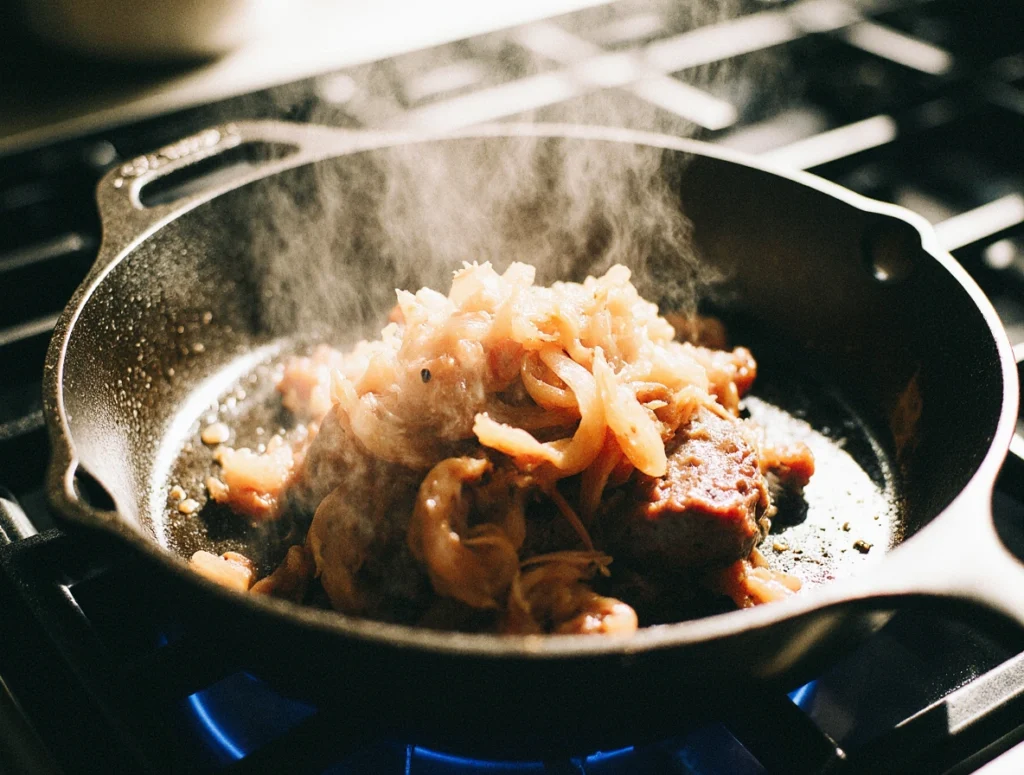
Pan-Fried Beef Liver with Caramelized Onions
This classic dish is one of the easiest ways to introduce beef liver into your diet. The natural sweetness from the onions pairs beautifully with the richness of the liver.
Ingredients
| Ingredient | Quantity |
|---|---|
| Beef liver | 500 g |
| Onion | 1 large |
| Olive oil | 2 tbsp |
| Salt & pepper | To taste |
| Milk (for soaking) | Enough to cover |
How to Make It
- Soak the liver slices in milk for 30–60 minutes.
- Slice the onion into thin rings.
- Heat olive oil in a skillet and cook the onions until golden and soft.
- Pat the liver dry, season, and add it to the pan.
- Cook for 3–4 minutes per side over medium heat.
- Serve immediately with the caramelized onions on top.
Why it works:
You get a high-protein, iron-rich dish that comes together in less than 20 minutes.
Beef Liver Stir-Fry with Bright Vegetables
If you enjoy quick meals with lots of color and crunch, this stir-fry will become one of your go-to dishes.
Ingredients
| Ingredient | Quantity |
|---|---|
| Beef liver, sliced | 400 g |
| Broccoli florets | 1 cup |
| Bell peppers | 1 cup |
| Garlic | 2 cloves |
| Soy sauce or tamari | 2 tbsp |
| Olive or sesame oil | 1 tbsp |
How to Make It
- Prep the liver by soaking and slicing it thin.
- Heat oil in a wok and cook garlic until fragrant.
- Add the liver and stir-fry until lightly browned.
- Toss in the broccoli and peppers.
- Pour in soy sauce and stir until everything is coated.
- Serve over rice, quinoa, or enjoy on its own.
Why it works:
You’re combining high-protein liver with nutrient-dense vegetables to create a balanced, energizing meal.
Beef Liver Pâté: A Smooth Protein Boost
If you love spreads, dips, or snacks you can enjoy throughout the week, you’ll appreciate this pâté recipe. It’s rich, creamy, and surprisingly simple.
Ingredients
| Ingredient | Quantity |
|---|---|
| Beef liver | 300 g |
| Butter | 3 tbsp |
| Onion | ½ medium |
| Garlic | 1 clove |
| Salt & pepper | To taste |
How to Make It
- Sauté onions and garlic in butter until soft.
- Add liver slices and cook until just done — don’t overcook.
- Transfer everything to a blender and blend until smooth.
- Chill in the fridge for at least an hour before serving.
Why it works:
It’s high-protein, convenient, and spreads beautifully on toast, crackers, or veggie sticks.
Tips for Making Beef Liver Taste Better
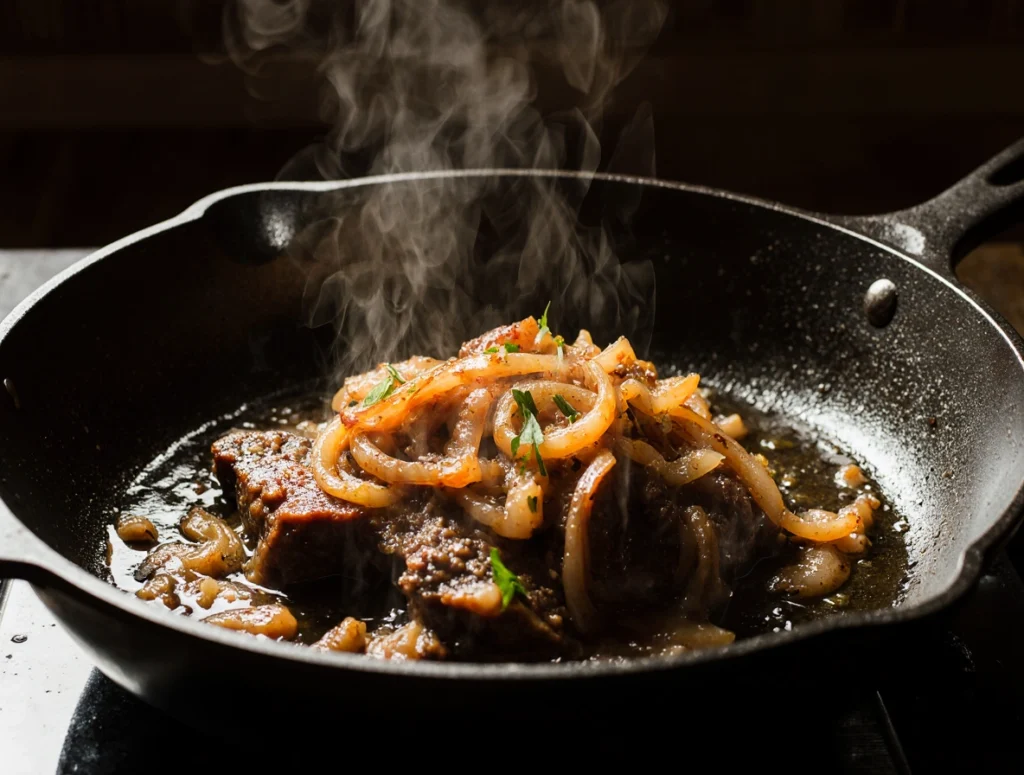
Cooking beef liver isn’t difficult, but getting the flavor just right takes a few small adjustments that make a huge difference. If you’ve ever tasted liver that felt too strong, metallic, or slightly bitter, chances are it wasn’t prepared with these simple techniques. Once you learn how to balance the natural richness of the liver, you’ll notice how tender, mild, and surprisingly enjoyable it becomes. Here are the tips that help you turn beef liver into a dish you’ll genuinely look forward to eating.
1. Start With a Good Soak to Soften the Flavor
If you want a smoother, more mellow taste, soaking is your best friend. You don’t need anything fancy — just 30 to 60 minutes in one of the following:
- Milk or buttermilk (most effective for reducing bitterness)
- Lemon water for a lighter, fresher flavor
- Light saltwater if you want to keep things simple
Soaking pulls out excess blood and tones down the strong mineral notes. After soaking, always pat the slices dry so they brown properly in the pan.
2. Slice the Liver Thin for Better Texture
Texture plays a huge role in how enjoyable your dish turns out. When the slices are too thick, the liver cooks unevenly and becomes tough. But when you cut the liver into thin, even slices, the cooking stays consistent, and the final bite feels softer and more delicate.
Aim for slices about the thickness of your fingertip — thin enough to cook quickly, but not paper-thin.
3. Use Sweet or Aromatic Vegetables to Balance the Flavor
Certain vegetables naturally complement beef liver and help round out its richness. If you want a more balanced, crowd-friendly taste, pair your liver with:
- Caramelized onions
- Bell peppers
- Carrots
- Garlic
- Leeks
These vegetables add a hint of sweetness or aroma that smooths out the liver’s intensity without overpowering it.
4. Season Appropriately — Not Too Little, Not Too Much
Beef liver doesn’t need heavy seasoning, but it does need enough to bring out its depth. You can create a well-rounded flavor profile with just a few basics:
- Sea salt
- Freshly ground black pepper
- Paprika
- Garlic powder
- Smoked paprika or cumin for a deeper, earthy profile
Some people enjoy adding a splash of soy sauce or Worcestershire sauce for extra umami — a simple trick that enhances flavor without masking it.
5. Avoid Overcooking at All Costs
This is the most important rule. Overcooking liver is the biggest reason people think they don’t like it. When cooked too long, liver becomes chalky, dry, and tough — nothing like the tender texture it should have.
Here’s how to keep it tender:
- Cook over medium heat
- Sear each side for 3 to 4 minutes max
- Remove from the heat as soon as it turns lightly browned
If you press the slice and it springs back gently, it’s done. If it feels stiff, it’s overcooked.
6. Add a Touch of Acidity at the End
A little acidity brightens the entire dish. Right before serving, try adding:
- A squeeze of fresh lemon
- A splash of apple cider vinegar
- A small amount of balsamic glaze
This helps cut through the richness and rounds out the taste in a really pleasant way.
7. Try Quick Marinades for Extra Tenderness
If you want even more flavor, a short marinade works wonders. You can marinate liver for about 20–30 minutes in:
- Olive oil
- Garlic
- Lemon juice
- Herbs like rosemary, thyme, or oregano
- A little soy sauce or tamari
This doesn’t just improve taste — it softens the texture too.
8. Pair Liver With the Right Side Dishes
Sometimes the secret to better-tasting liver isn’t just in the liver itself — it’s in what you serve it with. Heartier or slightly sweet sides help balance the flavor.
Some great choices include:
- Mashed potatoes
- Roasted vegetables
- Rice or quinoa
- Sweet potato mash
- A light salad with citrus dressing
These sides round out the meal and make each bite more enjoyable.
9. Use Fresh Liver Whenever Possible
Fresh liver almost always tastes better than frozen. If you can get it from a butcher or a local farm, you’ll notice the difference. Fresh liver has a cleaner, milder taste and tends to cook more evenly.
10. Let the Pan Do the Work — Don’t Overcrowd It
To get a good sear, cook the slices in batches. Overcrowding the pan traps moisture and causes steaming instead of browning. Browning adds flavor, enhances aroma, and creates that perfect texture you’re aiming for.
Final Thought
When you follow these tips, you’ll notice how much more approachable and flavorful beef liver becomes. You can turn a once-intimidating ingredient into a reliable, high-protein meal that fits easily into your weekly routine. Once you get comfortable with the basics, you’ll start experimenting with new seasonings, sauces, and sides — and that’s when beef liver really becomes fun to cook with.
How to Add Beef Liver to Your Weekly Routine
If you want to eat healthier without rethinking your whole lifestyle, beef liver fits beautifully into simple meal plans.
Meal Ideas That Keep Things Fresh
- Breakfast: Liver and scrambled eggs with herbs.
- Lunch: Stir-fried liver with quinoa and veggies.
- Dinner: Pan-fried liver with roasted potatoes and greens.
- Snack: A scoop of homemade pâté on whole-grain crackers.
Meeting Your Protein Goals
Depending on your activity level, you might aim for anywhere between 50–120 grams of protein a day. A single serving of beef liver can give you a significant boost, making it easier to hit your numbers without relying heavily on supplements.
FAQ: Beef Liver Recipes & Healthy Eating
Are beef liver recipes good for beginners?
Yes. Simple pan-frying or pâté recipes are extremely beginner-friendly, especially when you follow proper soaking and cooking techniques.
How often should you eat beef liver?
Most nutrition experts recommend 1–2 servings per week due to its high vitamin A content.
Does beef liver help with muscle growth?
Absolutely — the amino acid profile supports muscle repair and growth, making it a great choice for athletes.
How do you make beef liver taste less strong?
Soak it in milk or lemon water, season generously, and cook with naturally sweet vegetables.
Conclusion
When you begin exploring high-protein beef liver recipes, you open the door to meals that are nourishing, energizing, and surprisingly easy to prepare. You’ll quickly notice the difference in how full you feel, how steady your energy becomes, and how much more confident you feel about the food you’re choosing to fuel your body.
Whether you’re preparing a quick pan-fried dish, stirring it into colorful vegetables, or spreading pâté onto crisp bread, you have endless ways to make beef liver fit your taste and your goals.
If you’ve been wanting to take a real step toward healthier eating, now is the perfect time to try one of these recipes. Start with one dish, see how it feels, and build from there — your body will thank you for the upgrade.