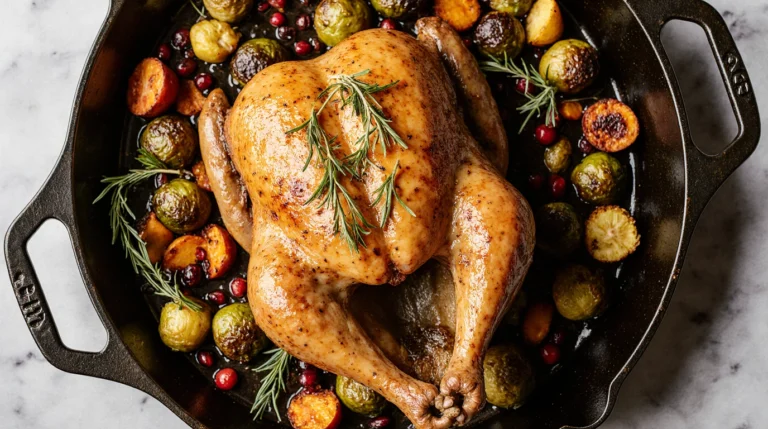

Turkey Tetrazzini Recipe — What You Need to Know Before Making This Classic Dish
Table of Contents
There’s something about a warm, creamy casserole that brings you back to moments you didn’t realize you missed—quiet Sunday afternoons, holiday leftovers after a busy week, or those evenings when you just want a meal that hugs you back. A turkey tetrazzini recipe has that dependable charm. You take a handful of simple ingredients—pasta, turkey, a silky sauce—and you turn them into a meal you can count on.
If you’re thinking about making this dish for the first time—or if you want to get better at it—this guide walks you through everything you should know before you start. By the time you reach the end, you’ll have the confidence to create your own version, tweak the flavors, and serve it in a way that feels uniquely yours.
What Makes a Turkey Tetrazzini Recipe Truly Classic?

A turkey tetrazzini recipe earns the title “classic” when it brings together the elements that made the dish beloved for generations. Even with modern shortcuts and endless variations, the traditional version still follows a recognizable pattern. Here’s what gives it that timeless identity:
1. A Creamy, Velvety Sauce
At the heart of every classic turkey tetrazzini is the rich white sauce—smooth, silky, and comforting.
You usually build it from:
- Butter
- Flour
- Milk or cream
- Chicken broth
- Seasonings
- Sometimes cream of mushroom soup
This sauce is what ties everything together, coating the pasta and turkey so the dish feels cohesive and indulgent.
2. Tender Turkey Throughout
Classic versions always use cooked turkey, often leftovers from holiday meals.
This is the nostalgic part—turning something simple into something memorable. The turkey adds:
- Protein
- Mild flavor that absorbs the sauce beautifully
- Chunky bite that balances the pasta
3. Mushrooms for Depth
Sliced mushrooms are a staple in traditional turkey tetrazzini.
They bring:
- Earthiness
- Savory richness
- A boost of umami
Whether you use fresh mushrooms or mushroom soup, their presence is part of what keeps the dish anchored in tradition.
4. Long Pasta That Holds the Sauce
You can technically use any pasta, but the classic choice includes:
- Spaghetti
- Linguine
- Thin egg noodles
These strands get coated with the creamy sauce, making every forkful satisfying and consistent.
5. A Cheesy, Golden Topping
No classic turkey tetrazzini feels complete without a layer of cheese baked to golden perfection.
You might use:
- Parmesan
- Mozzarella
- Swiss
- A blend of two or more
That melted, slightly crispy top is a signature part of the dish’s identity.
6. Baked Until Bubbling
A true classic isn’t just tossed together—it’s baked.
The baking step does three things:
- Melds flavors together
- Thickens the sauce
- Creates that golden crust on top
7. Gentle Seasoning That Enhances the Creaminess
Traditional turkey tetrazzini stays simple with flavoring:
- Salt
- Pepper
- Garlic
- Onion
- Optional splash of white wine
- A hint of nutmeg (a classic chef’s trick)
The seasoning supports the creamy base without overpowering it.
8. Comfort Food Roots
Above all, a classic turkey tetrazzini recipe taps into a familiar feeling—cozy, hearty, and made to share.
It’s the kind of dish that:
Offers comfort during busy or chilly days
Uses what you already have
Feels like a warm tradition
A Brief Look at Its Roots
Even though the name sounds Italian, turkey tetrazzini was actually born in the U.S., inspired by the famous opera singer Luisa Tetrazzini. Restaurants in the early 1900s served their own versions—usually with chicken or turkey, pasta, mushrooms, and a creamy wine-infused sauce. That same base is what you still find in today’s versions.
What Makes It “Classic”?


When people talk about traditional turkey tetrazzini, they’re usually referring to:
- Tender pasta coated in a smooth, creamy white sauce
- Sliced turkey (often leftover from holidays)
- Mushrooms sautéed for flavor and depth
- A hint of cheese, baked until golden
The flavor is rich without being heavy, and you get a balance of comfort and elegance in every bite.
Essential Ingredients for Any Turkey Tetrazzini Recipe
Before you begin, gathering the right ingredients makes your cooking process smoother and quicker. Here’s a clean and organized table you can follow.
Ingredient Table
| Ingredient | Quantity | Notes / Substitutes |
|---|---|---|
| Cooked turkey (shredded or chopped) | 3 cups | Can use rotisserie chicken |
| Pasta (linguine, spaghetti, or egg noodles) | 12 oz | Cook al dente |
| Butter | 4 tbsp | Unsalted preferred |
| All-purpose flour | ⅓ cup | For thickening |
| Milk | 2 cups | Any fat level works |
| Chicken broth | 1 cup | Adds depth |
| Cream of mushroom soup | 1 can | Classic base |
| Mushrooms | 1–2 cups | Fresh sliced for best texture |
| Parmesan cheese | 1 cup | Freshly grated |
| Cream cheese (optional) | 4 oz | Adds richness |
| Garlic | 2 cloves | Minced |
| Onion | ½ cup | Finely chopped |
| Salt + black pepper | To taste | Adjust as needed |
| Parsley | For garnish | Fresh or dried |
These ingredients create the foundation for most turkey tetrazzini recipes, especially versions like:
- Turkey tetrazzini with cream of mushroom soup
- Turkey tetrazzini with mushroom soup
- Turkey tetrazzini with cream cheese
- Easy turkey tetrazzini
You can build from this base and customize the dish however you like.
Step-by-Step Guide: How to Make Turkey Tetrazzini at Home
Once you have everything ready, the cooking process becomes a pleasant flow. Here’s how you can make it without stress.
Prep Work Before Cooking
You’ll find the process smoother if you prepare these things first:
- Cook your pasta until just al dente
- Chop or shred your cooked turkey
- Pre-slice your mushrooms
- Grease your baking dish
- Preheat your oven to 350°F (175°C)
- Gather all your ingredients within reach
This small setup step saves you from running around the kitchen once you start cooking.
Cooking Steps (Follow This Order)
- Melt the butter in a large saucepan, then stir in the chopped onions and garlic.
- Sauté until soft, then add the mushrooms and cook until they release their moisture.
- Sprinkle in the flour, stirring until it forms a smooth paste.
- Slowly pour in the milk and chicken broth, whisking constantly.
- Add the cream of mushroom soup and blend it into a silky sauce.
- Season with salt, pepper, and optional herbs.
- Add the turkey and cooked pasta, tossing gently until everything is coated.
- Fold in cream cheese if you’re making a richer version.
- Transfer to your baking dish and cover with Parmesan cheese.
- Bake for 25–30 minutes, or until the top is lightly golden.
Once you pull it out of the oven, let it cool slightly—the sauce thickens as it rests, giving you a better texture.
Popular Variations of Turkey Tetrazzini Recipes
As you explore this dish, you’ll see how easy it is to adjust the flavors. Here are the most common variations and what makes each one special.
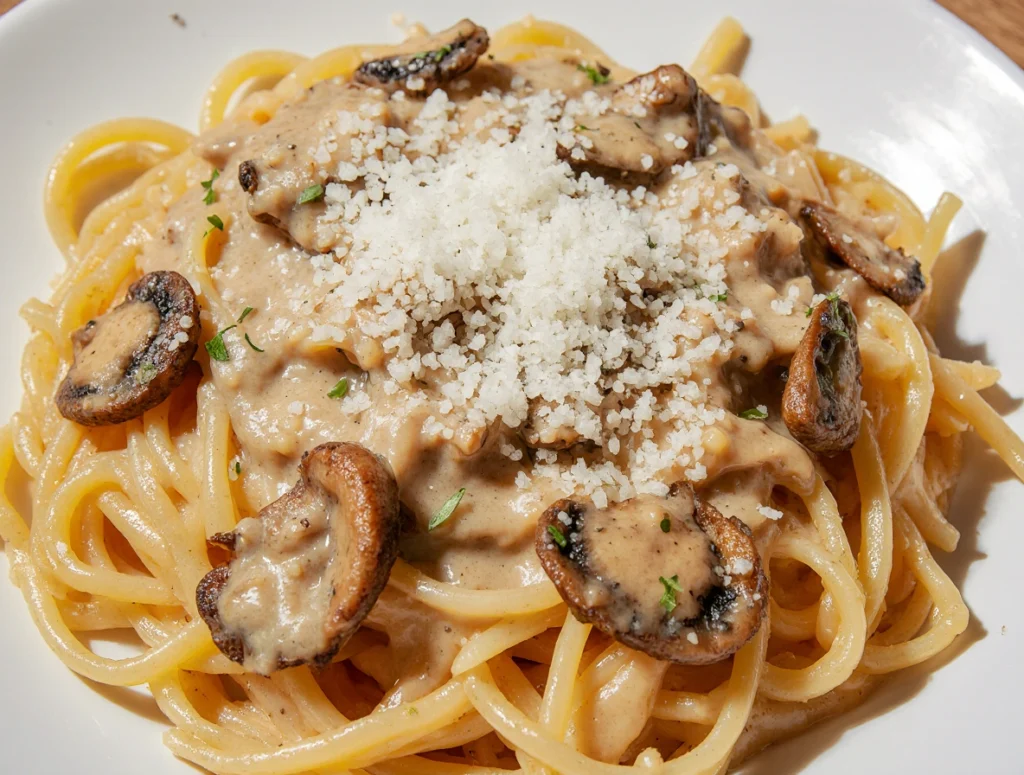
Turkey Tetrazzini With Cream of Mushroom Soup
- The classic option
- Adds smoothness and mild flavor
- Easiest version for beginners
If you want a straightforward approach, this is where most home cooks start.
Easy Turkey Tetrazzini
This version uses shortcuts that save time:
- Pre-shredded turkey
- Canned soup
- One-pot stovetop-to-oven method
Perfect for busy weeknights when you want dinner on the table fast.
Turkey Tetrazzini With Cream Cheese
If you prefer a richer, velvety sauce:
- Cream cheese thickens the dish
- Adds tanginess
- Helps bind the noodles together
This version reheats beautifully and tastes great the next day.
Turkey Tetrazzini With Mushroom Soup
A lighter option if you don’t want the heavier cream-of-mushroom base.
- Slightly thinner texture
- More mushroom-forward flavor
- Works well if you add a dash of white wine
Tips to Make Your Turkey Tetrazzini Even Better

When you want your turkey tetrazzini to come out creamy, balanced, and full of flavor, a few smart adjustments make all the difference. These tips help you avoid common issues and bring out the best in your ingredients.
1. Keep the Pasta Slightly Undercooked
Pasta continues to soften while baking.
If you cook it fully during the boiling stage, it turns mushy later.
Aim for al dente—firm but cooked through.
2. Season Every Layer
Your sauce shouldn’t be the only place with flavor.
Add a pinch of salt and pepper to:
- The mushrooms while sautéing
- The sauce as it thickens
- The turkey as you fold it in
Layered seasoning creates a deeper, more satisfying flavor.
3. Don’t Skip the Aromatics
Garlic, onion, and sometimes a touch of celery elevate the entire dish.
They build the flavor foundation before the creamy elements even enter the pan.
4. Add a Splash of White Wine
Just a couple tablespoons of white wine:
- Brightens the sauce
- Balances the richness
- Adds depth without overpowering
Let it simmer for a minute before adding the broth.
5. Use a Mix of Cheeses
Parmesan is classic, but combining cheeses takes the dish up a level. Try:
- Parmesan + Mozzarella
- Parmesan + Swiss
- Parmesan + Gruyère
Each blend gives you a creamier pull and richer flavor.
6. Give the Sauce Time to Thicken
If you rush this step, the sauce may turn runny.
Let it simmer for a few minutes until it reaches a smooth, velvety consistency.
It should lightly coat the back of a spoon.
7. Fold in Cream Cheese for Extra Silkiness
If you want a richer texture, cream cheese is your secret weapon.
It:
- Thickens the sauce
- Adds a subtle tang
- Makes the casserole stay creamy even after reheating
8. Bake Uncovered for a Golden Top
If you prefer a crisp top and bubbly edges, leave the dish uncovered in the oven.
For a softer top layer, cover it for the first 15 minutes and uncover near the end.
9. Add a Crunchy Topping
For added texture, mix:
- Breadcrumbs
- Parmesan
- A drizzle of melted butter
Sprinkle this over the top before baking.
10. Let It Rest Before Serving
Once you remove the dish from the oven, give it 8–10 minutes to rest.
This helps:
- The sauce set
- The pasta firm up
- The flavors settle
You’ll get cleaner slices and a better texture.
Common Mistakes to Avoid When Making a Turkey Tetrazzini Recipe


Even if you follow a recipe closely, turkey tetrazzini can go wrong in a few predictable ways. The dish seems simple, but small mistakes can change the texture, flavor, or creaminess. Knowing what to avoid helps you get consistent, reliable results every time.
1. Overcooking the Pasta
This is the number one issue home cooks run into.
Your pasta keeps cooking in the oven, so if it’s already soft when you boil it, it will turn mushy later.
Tip: Cook it just until al dente—firm with a slight bite.
2. Using Too Much Liquid
If your sauce looks thin before baking, it will become watery once it mixes with the pasta and turkey.
What to avoid:
- Over-pouring chicken broth
- Adding milk too quickly
- Not letting the sauce simmer long enough
Your sauce should cling lightly to the spoon before it hits the baking dish.
3. Forgetting to Sauté the Aromatics
Some people skip this step to save time, but it affects flavor more than you think.
Garlic, onion, and mushrooms taste flat if you add them raw.
Sautéing them first:
- Brings out sweetness
- Adds aroma
- Deepens the overall flavor
4. Overbaking the Casserole
Leaving your turkey tetrazzini in the oven too long dries out the sauce and makes the turkey tough.
Avoid baking longer than 25–30 minutes, unless you’re starting from frozen.
5. Not Mixing the Sauce Properly
A lumpy or uneven sauce leads to uneven texture in the final dish.
This usually happens when:
- Flour isn’t whisked well
- Liquid is added too fast
- Heat is too high
Start with medium heat and add liquid gradually for a smooth, creamy base.
6. Using Old or Dry Turkey
The dish relies on tender turkey.
Dry, overcooked leftovers stay dry—even with a creamy sauce.
Quick fix:
Stir a splash of chicken broth into your shredded turkey before adding it to the casserole.
7. Skimping on the Seasoning
Cream-based dishes can taste bland without enough seasoning.
You need more salt and pepper than expected because the sauce and pasta absorb a lot of flavor.
Taste your sauce before baking—it’s your last chance to adjust the seasoning.
8. Choosing the Wrong Pasta Shape
Large or heavy pasta shapes don’t soak up the sauce as well.
Traditional long noodles like spaghetti, linguine, or egg noodles work best.
9. Adding Cheese Too Early
If you mix cheese into the sauce while it’s still too hot, it can separate and create a greasy texture.
Add cheese:
- After removing the sauce from heat
- Or sprinkle it on top before baking
10. Skipping the Resting Time
Cutting into the casserole immediately causes the sauce to spill out and look watery.
Let it rest for 8–10 minutes so the sauce settles and thickens naturally.
What to Serve With Turkey Tetrazzini
Pairing the dish with lighter sides helps balance the richness.
Side Dish Ideas
- Crisp Caesar salad
- Steamed broccoli
- Garlic bread
- Roasted green beans
- Fresh mixed greens with vinaigrette
Drink Pairings
- Chardonnay
- Pinot grigio
- Lemon sparkling water
- White sangria
These add freshness to the meal without overpowering it.
Storing and Reheating Turkey Tetrazzini Properly
This dish stores and reheats surprisingly well if you do it right.
In the Fridge
- Store up to 3–4 days
- Use airtight containers
- Reheat in the oven at 325°F or in the microwave with a splash of milk
In the Freezer
- Freeze before baking for best results
- Wrap tightly with foil
- Keeps up to 2 months
- Bake directly from frozen—add extra 10–15 minutes
FAQ About Turkey Tetrazzini Recipes
What is the most important ingredient in a turkey tetrazzini recipe?
The sauce. It’s the heart of the dish and determines the texture and flavor.
Can you use chicken instead of turkey?
Yes, rotisserie chicken works perfectly.
How do you keep turkey tetrazzini from drying out?
Don’t overbake, and make sure your sauce is creamy before it goes in the oven.
Can you freeze turkey tetrazzini?
Absolutely—freeze before baking for the best texture.
Can you make the recipe without mushrooms?
Yes, just replace them with peas, broccoli, or spinach.
Conclusion
A turkey tetrazzini recipe gives you more than a simple dinner—it turns leftovers into something comforting and memorable. Now that you know the techniques, variations, and small details that make the dish shine, you can create a version that fits exactly what you enjoy. Whether you follow the classic route or fold in your own creative ingredients, this casserole will always feel like a warm, familiar favorite.
If this guide helped you feel more confident about making turkey tetrazzini, share it with someone who might need a little comfort-food inspiration. And when you try your own version, don’t keep it to yourself—tell others what twist you added so they can try it too. Happy cooking!