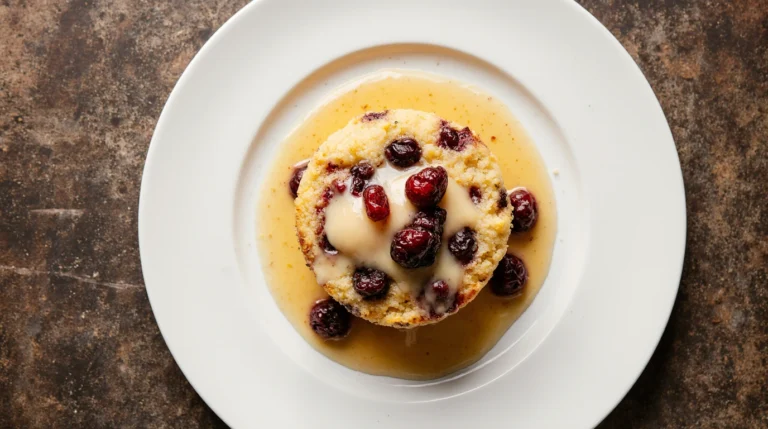

German Chocolate Cake Frosting: How to Make Creamy, Rich Frosting for Your Cake
Table of Contents
Baking isn’t just about ingredients and measurements—it’s about creating moments that linger in taste and memory. Imagine slicing into a moist, chocolatey cake and spreading a creamy, coconut-pecan frosting that melts in your mouth. The aroma, the texture, and the flavor all come together to create something truly magical. That’s the beauty of German chocolate cake frosting—it’s more than frosting; it’s a slice of nostalgia, comfort, and joy.

In this guide, you’ll discover exactly how to make rich, creamy German chocolate frosting that elevates any cake. Whether it’s a special celebration or a quiet night at home, this recipe ensures you get professional-tasting results every time.
What is German Chocolate Frosting?
German chocolate frosting is the iconic topping that makes german chocolate cake frosting truly special. Unlike traditional buttercream or chocolate ganache, this frosting has a unique combination of sweetened condensed milk, shredded coconut, and chopped pecans, giving it a rich, creamy, and slightly chewy texture. Its flavor is both sweet and nutty, perfectly complementing the deep chocolate layers of the cake beneath.
The frosting is cooked on the stovetop, which caramelizes the sugar and condenses the flavors, creating a luscious, spreadable topping that’s both indulgent and satisfying. The addition of coconut and pecans adds texture and depth, setting it apart from simpler frostings.
Originating in the United States in the 1950s, German chocolate frosting became popular due to its distinct flavor profile and the way it beautifully balances sweetness, creaminess, and crunch. Today, it’s a classic choice not just for cakes, but also for cupcakes, brownies, and other desserts that benefit from its rich, coconut-pecan goodness.
Making German chocolate frosting from scratch allows you to control the sweetness, consistency, and nut-to-coconut ratio, ensuring a perfect topping every time. With its unique texture and unforgettable taste, this frosting is an essential part of any authentic German chocolate cake frosting experience.
Here’s what makes it special:
- Coconut and pecans: Provide texture and a natural sweetness.
- Caramel-like richness: Achieved by cooking egg yolks, sugar, and condensed milk together.
- Versatility: Works on cakes, cupcakes, and even cookies.
Originating in the 1950s, German chocolate cake became famous in American kitchens for its signature frosting, which adds indulgence without overpowering the chocolate cake beneath.
Essential Ingredients for German Chocolate Frosting
To make the perfect German chocolate frosting, using the right ingredients is key. Each component plays a specific role, contributing to the frosting’s creamy texture, rich flavor, and signature coconut-pecan crunch. Here’s a breakdown of what you’ll need and why it matters:


Core Ingredients
| Ingredient | Quantity | Purpose/Notes |
|---|---|---|
| Sweetened condensed milk | 1 can (14 oz) | Adds sweetness and a creamy, caramel-like base |
| Granulated sugar | 1 cup | Enhances sweetness and helps thicken the frosting |
| Egg yolks | 3 large | Provides richness and helps bind the frosting |
| Butter | 1/2 cup | Adds creaminess and smooth texture |
| Vanilla extract | 1 tsp | Enhances overall flavor and aroma |
| Sweetened shredded coconut | 1 cup | Gives texture and classic coconut flavor |
| Chopped pecans | 1 cup | Adds crunch and nutty depth to the frosting |
Ingredient Tips for Success
- Full-fat condensed milk: Using full-fat ensures a rich, luscious frosting.
- Fresh egg yolks: Make sure they’re at room temperature to avoid curdling when cooked.
- Softened butter: Room-temperature butter blends more smoothly, giving a creamy consistency.
- Toasting coconut and pecans (optional): Lightly toasting enhances flavor and aroma.
- Quality vanilla: Pure vanilla extract will elevate the overall taste compared to imitation vanilla.
Optional Variations
- Swap pecans with walnuts or almonds for a different nutty flavor.
- Add a touch of rum or bourbon for a subtle, aromatic twist.
- Reduce sugar slightly for a less sweet frosting without compromising texture.
Pro Tip: Measuring ingredients accurately is crucial for achieving the perfect texture—too much liquid can make the frosting runny, while too much sugar can make it overly sweet.
Step-by-Step Guide to Making German Chocolate Frosting

Creating the perfect German chocolate cake frosting may seem challenging, but with a clear step-by-step method, you can achieve a rich, creamy frosting that’s both indulgent and bakery-quality. This guide ensures your frosting is smooth, sweet, and loaded with the classic coconut and pecan flavor that makes German chocolate cake so iconic.
Step 1 – Prepare Your Ingredients
Preparation is key to successful German chocolate frosting. Measure all ingredients carefully: sweetened condensed milk, sugar, butter, shredded coconut, and chopped pecans. Separate the egg yolks from the whites—only the yolks are used in this recipe. Ensure your butter is softened to room temperature to help it blend smoothly into the frosting.
Step 2 – Cook the Base
Combine the sweetened condensed milk, sugar, and egg yolks in a medium saucepan. Cook over medium heat while stirring constantly to avoid curdling the eggs. Continue cooking for 10–12 minutes, or until the mixture thickens and turns a light golden caramel color. The constant stirring ensures a silky texture without lumps.
Step 3 – Add Butter, Vanilla, Coconut, and Pecans
Remove the saucepan from heat and stir in the softened butter until fully incorporated. Add vanilla extract to enhance the flavor. Fold in the shredded coconut and chopped pecans carefully to maintain a rich, textured frosting. Toasting the coconut and pecans lightly before adding them will intensify their flavor and add a subtle crunch to your frosting.
Step 4 – Cool and Spread
Allow the frosting to cool slightly to reach a spreadable consistency. Spread it evenly over a fully cooled German chocolate cake. Spreading while hot can cause the frosting to slide off. For a firmer texture, refrigerate for 10–15 minutes before serving.
Tips for Perfect German Chocolate Frosting Every Time
- Avoid overheating the base to prevent scrambled eggs.
- Adjust the amount of coconut and pecans to suit personal taste.
- Stir gently after adding nuts for a smooth, creamy texture.
- Store leftover frosting in an airtight container in the refrigerator for up to one week.
Tips for Perfection:
- Stir gently to prevent nuts from sinking.
- Avoid overheating; eggs can scramble if cooked too fast.
- Customize coconut or pecan ratios based on personal preference.
Common Mistakes and How to Avoid Them

Even experienced bakers sometimes run into problems when making German chocolate cake frosting. Being aware of the most common mistakes can help you achieve a perfectly creamy, rich frosting every time.
Egg Yolks Curdling
Cooking the egg yolks too quickly can cause them to scramble, resulting in a lumpy frosting. To avoid this, cook your sweetened condensed milk, sugar, and egg yolks over medium heat while stirring constantly. This ensures the mixture thickens evenly and remains smooth.
Frosting Too Runny
If your frosting is too thin, it may slide off the cake instead of spreading nicely. Cook the base mixture until it thickens and develops a light caramel color. Allow it to cool slightly before folding in the butter, coconut, and pecans for the best consistency.
Nuts Sinking
Adding nuts too early or stirring too vigorously can cause them to sink to the bottom. Gently fold in shredded coconut and chopped pecans after cooking to maintain an even distribution throughout the frosting.
Overheating the Frosting
Cooking the mixture at too high a temperature can scramble the eggs or make the frosting grainy. Stick to medium heat and remove the frosting from the stove once it reaches the desired thickness.
Over-Sweetening
Using too much sugar or additional sweeteners can overpower the subtle flavors of coconut and pecans. Taste the frosting as you go and remember that condensed milk already adds sweetness.
Additional Tips for Success
- Always use fresh, high-quality ingredients for the best flavor and texture.
- Stir gently when adding mix-ins to preserve creaminess.
- Allow the frosting to cool slightly before spreading to prevent it from sliding off your cake.
Serving and Storing Tips
Once you’ve made your delicious German chocolate cake frosting, knowing how to serve and store it properly ensures it stays fresh, creamy, and flavorful.


Serving Tips
- Spread the frosting over a fully cooled cake to prevent it from sliding off.
- For an extra smooth finish, use an offset spatula or the back of a spoon to gently spread the frosting.
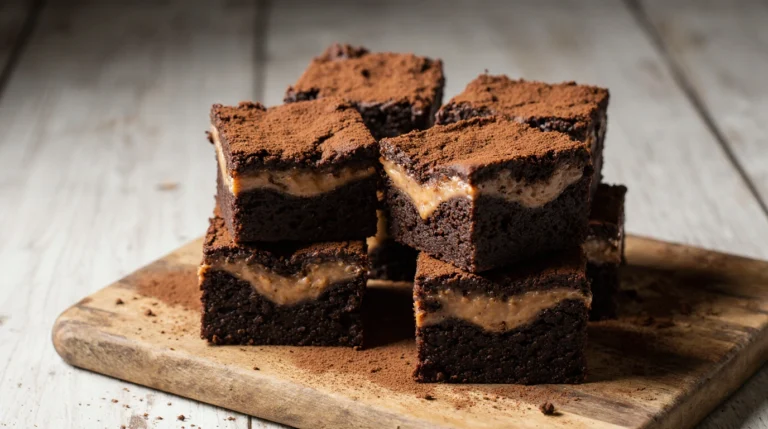
- This frosting isn’t just for cakes—try it on cupcakes, cookies, or even as a sweet topping for brownies.
- If you prefer a firmer texture, refrigerate the frosted cake for 10–15 minutes before serving.
Storing Tips
- Store leftover frosting in an airtight container in the refrigerator for up to one week.
- For longer storage, freeze frosting in a sealed container for up to three months. Thaw it in the refrigerator and stir gently before spreading.
- Keep the frosting away from strong odors in the fridge to maintain its coconut and pecan flavors.
Additional Tips
- If refrigerated, let the frosting sit at room temperature for 15–20 minutes before spreading to restore its creamy texture.
- Avoid exposing the frosting to direct heat or sunlight, which can soften it too much or cause separation.
With these serving and storing tips, your German chocolate cake frosting will remain rich, creamy, and ready to impress every time.
Variations to Try
Once you’ve mastered the classic German chocolate cake frosting, you can experiment with simple variations to suit your taste or elevate your dessert for special occasions. Here are some ideas:

Chocolate-Infused Frosting
- Add 2–3 tablespoons of melted semi-sweet or dark chocolate to the frosting for a deeper, richer chocolate flavor.
- Stir gently to maintain the creamy texture without altering consistency.
Nut Alternatives
- Swap pecans for walnuts or almonds to create a slightly different nutty profile.
- Lightly toast the nuts to bring out their flavor before adding them to the frosting.
Boozy Twist
- Add a splash of rum, bourbon, or brandy for a subtle aromatic flavor.
- Perfect for adult desserts or holiday cakes.
Light Version
- Use reduced-fat sweetened condensed milk and slightly less sugar for a lighter frosting without sacrificing creaminess.
- This option works well if you want the classic flavor but with fewer calories.
Coconut-Free Option
- If you’re not a fan of coconut or need a coconut-free version, simply omit it and fold in extra chopped pecans for texture.
- The frosting will remain creamy and rich, just slightly less chewy.
Mini Frosting Cups
- Use the frosting as a topping for cupcakes, cookie sandwiches, or brownie bites.
- These bite-sized treats are perfect for parties or gifts.
These variations allow you to personalize your German chocolate cake frosting while keeping it indulgent and delicious. You can mix and match ideas or create your own signature version to impress family and friends.
FAQ Section
What is the best way to make German chocolate cake frosting creamy?
Cook the base slowly over medium heat, stirring constantly, and fold in butter at the end. This ensures a smooth, rich texture that spreads easily over your cake.
Can I make German chocolate frosting without pecans?
Yes! You can omit the pecans or substitute with other nuts like walnuts or almonds. The frosting will still be creamy and delicious, just with a slightly different texture.
How do I store leftover German chocolate frosting?
Store it in an airtight container in the refrigerator for up to one week. For longer storage, freeze in a sealed container for up to three months. Thaw in the fridge and stir gently before spreading.
Can I use this frosting on cupcakes or cookies?
Absolutely! This frosting works perfectly on cupcakes, brownies, or even as a filling for cookie sandwiches. Its rich coconut-pecan flavor enhances any baked treat.
Can I prepare German chocolate frosting ahead of time?
Yes, you can make the frosting a day in advance. Store it in the refrigerator and let it come to room temperature before spreading to restore its creamy texture.
How do I prevent the frosting from sliding off my cake?
Spread the frosting over a completely cooled cake. For a firmer layer, chill the frosted cake for 10–15 minutes before serving. Gentle spreading with a spatula ensures even coverage.
Why Homemade German Chocolate Frosting is Worth the Effort
Making your own German chocolate cake frosting may feel like extra work, but the results are absolutely worth it. Homemade frosting offers a depth of flavor, texture, and freshness that store-bought versions simply can’t match.

Unmatched Flavor
When you make frosting from scratch, each ingredient contributes to a richer, more aromatic taste. The natural sweetness from sweetened condensed milk, the nutty crunch of pecans, and the subtle chewiness of coconut combine into a decadent topping that enhances your cake instead of overpowering it.
Customizable Texture and Sweetness
Homemade frosting gives you full control over texture and flavor. You can adjust the amount of coconut or nuts, make it creamier or thicker, and balance the sweetness to your preference. This ensures your frosting is perfectly tailored to your taste.
Impress Guests and Loved Ones
Nothing says homemade and heartfelt quite like a cake topped with freshly made frosting. Whether it’s for a birthday, holiday, or casual gathering, serving a cake with homemade German chocolate frosting is sure to impress family, friends, and guests.
Emotional Satisfaction
There’s joy in creating something entirely from scratch. The process of making the frosting, stirring it to creamy perfection, and spreading it over your cake is a satisfying and rewarding experience. Each bite becomes not just a dessert, but a memory.
Versatility Across Desserts
Beyond cakes, homemade German chocolate frosting can elevate cupcakes, brownies, or cookie sandwiches. Its rich, creamy texture and coconut-pecan flavor make it a versatile treat that enhances any baked good.
Making German chocolate cake frosting from scratch may take a little extra effort, but the flavor, customization, and joy it brings make it a worthwhile endeavor every time.
Conclusion
Making the perfect German chocolate cake frosting is both rewarding and achievable, even if you’re new to baking. By following the steps outlined in this guide, you can create a rich, creamy, and indulgent frosting that brings every slice of cake to life.
From carefully cooking the condensed milk and egg yolks to folding in butter, coconut, and pecans, each step contributes to the frosting’s signature flavor and texture. Whether you’re topping a layered cake, cupcakes, or even brownies, this homemade frosting elevates any dessert and adds a touch of love and craftsmanship that store-bought options can’t match.
The beauty of making your own frosting is not just in the taste, but in the experience—the joy of stirring, smelling the sweet aroma of coconut and caramel, and sharing it with friends and family. Every bite becomes more than just dessert; it becomes a memory, a moment, and a celebration.
So go ahead, spread a little sweetness, and enjoy the satisfaction of creating your own German chocolate cake frosting from scratch. Your cake—and your loved ones—will thank you.