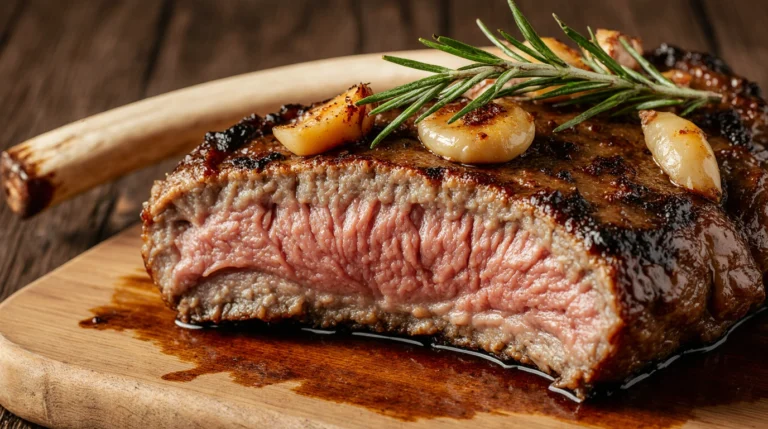

Cowboy Butter Recipe: 7 Powerful Ways to Make Steak Taste Incredible
Table of Contents
There’s a moment every steak lover knows well. You’ve chosen a good cut, seasoned it properly, cooked it with care—and yet, something feels missing. The steak is good, but not unforgettable. If you’ve ever wondered why restaurant steaks seem richer, deeper, and more satisfying than what you make at home, the answer often comes down to one thing: butter done right.
A cowboy butter recipe is not just another flavored butter. It’s the finishing touch that turns a simple steak into a bold, crave-worthy experience. Once you understand how it works and how to use it properly, your steaks will never taste the same again.
In this guide, you’ll learn exactly what cowboy butter is, why it works so well with steak, how to make it step by step, and seven powerful ways to use it to elevate your meals. By the end, you’ll have a reliable, flexible steak butter that fits your cooking style and tastes far better than anything store-bought.
What Is Cowboy Butter? (And Why It’s So Addictive)
Cowboy butter is a bold compound butter made with softened butter, garlic, herbs, acid, and spices. Unlike plain steak butter, it’s designed to bring contrast—richness from fat, brightness from citrus, heat from spices, and freshness from herbs.


You can think of cowboy butter as both:
- A steak butter
- A cowboy butter sauce when melted
What makes it addictive is balance. Fat alone can feel heavy. Acid alone can feel sharp. Cowboy butter brings those elements together in a way that amplifies beef flavor instead of masking it.
Why Cowboy Butter Became So Popular
- It enhances grilled and pan-seared meats
- It’s quick to prepare
- It works across multiple proteins and sides
- It delivers steakhouse flavor at home
When used correctly, cowboy butter doesn’t overpower your steak. It highlights what’s already there.
Why This Cowboy Butter Recipe Works Perfectly for Steak
Steak is rich by nature. That’s why the best additions don’t compete with it—they support it. This cowboy butter recipe is built specifically with steak in mind.
Flavor Science Behind Steak Butter
When you add butter to steak, several things happen at once:
- Fat coats your palate, carrying flavor longer
- Salt enhances natural umami in beef
- Acid cuts through richness, keeping each bite clean
- Aromatics like garlic and herbs trigger appetite and depth
Cowboy butter combines all of these elements in controlled proportions, giving you complexity without chaos.
When to Use Cowboy Butter on Steak
You can use cowboy butter at multiple stages:
- After cooking, as a finishing butter
- During cooking, as a basting butter
- At the table, as a dipping sauce
Each method creates a slightly different experience, which you’ll explore later in detail.
Cowboy Butter Recipe Ingredients (Simple but Powerful)
What makes a cowboy butter recipe truly stand out isn’t a long ingredient list—it’s how each component plays a precise role. Every ingredient exists for a reason, working together to enhance steak flavor instead of masking it. When you understand what each element contributes, you gain full control over taste, texture, and intensity.


This balance is exactly why cowboy butter works so well as both a steak butter and a melted cowboy butter sauce.
Core Ingredients Breakdown (Why Each One Matters)
Rather than rushing through preparation, it helps to understand how these ingredients interact with your steak.
Unsalted Butter – The Foundation
Butter is the backbone of any steak butter recipe. Using unsalted butter gives you flexibility, allowing you to season gradually and avoid overpowering the meat.
- Provides richness and mouthfeel
- Helps carry herbs and spices across the steak
- Melts smoothly when applied to hot meat
Choose high-quality butter with a clean dairy flavor. Since butter makes up most of the recipe, quality directly affects the final result.
Fresh Garlic – Depth and Aroma
Garlic adds boldness, but balance is critical. Finely minced fresh garlic releases aroma without creating harsh bites.
- Enhances savory notes in beef
- Adds warmth without heaviness
- Complements butter’s natural sweetness
Avoid garlic powder if possible—it lacks the freshness that makes cowboy butter feel vibrant.
Fresh Herbs – Brightness and Contrast
Fresh parsley is the classic choice, but its role goes beyond garnish.
- Cuts through fat with freshness
- Adds visual appeal to the butter
- Keeps the flavor from feeling flat
You can adjust herb ratios later, but parsley keeps the cowboy butter recipe clean and balanced.
Lemon Juice – The Game Changer
Acidity is what separates average steak butter from a memorable one. Lemon juice wakes up every other ingredient.
- Balances richness
- Sharpens overall flavor
- Prevents the butter from tasting heavy
Add it slowly. You want brightness, not sourness.
Dijon Mustard – Subtle Tang and Depth
This ingredient is optional, but highly recommended if you want complexity.
- Adds gentle tang without dominating
- Enhances umami in steak
- Helps emulsify melted cowboy butter sauce
Dijon blends invisibly into the butter while improving depth.
Paprika or Chili Flakes – Controlled Heat
Heat should support flavor, not steal attention.
- Paprika adds warmth and color
- Chili flakes add gentle spice
- Both enhance grilled steak notes
Start small. You can always increase heat later.
Salt – Precision Seasoning
Salt ties everything together, but only when used carefully.
- Enhances natural beef flavor
- Amplifies herbs and garlic
- Prevents blandness
Season at the end and taste before adding more.
Cowboy Butter Recipe Ingredients Table
| Ingredient | Flavor Role | Pro Tip |
|---|---|---|
| Unsalted butter | Rich base | Let soften naturally |
| Fresh garlic | Savory depth | Mince finely |
| Parsley | Fresh balance | Chop evenly |
| Lemon juice | Bright acidity | Add gradually |
| Dijon mustard | Subtle tang | Optional but powerful |
| Paprika/chili flakes | Gentle heat | Adjust to taste |
| Salt | Flavor enhancer | Season last |
Ingredient Variations You Can Customize
Once you master the base cowboy butter recipe, you can tailor it to your taste:
- Add thyme or chives for herbal complexity
- Use smoked paprika for deeper grill flavor
- Swap lemon for lime for sharper acidity
These small changes allow you to adapt the butter without breaking its balance.
Why Ingredient Quality Matters in a Cowboy Butter Recipe
Because this recipe uses few ingredients, shortcuts are noticeable. Fresh herbs, real butter, and proper seasoning make the difference between a good steak and one that tastes intentional.
When you build cowboy butter with care, you don’t just season steak—you elevate it.
How to Make Cowboy Butter Recipe (Step by Step)
This cowboy butter recipe is intentionally simple. The key is technique, not complexity.

Preparation Steps
- Let the butter soften naturally at room temperature
- Mince garlic finely to avoid harsh bites
- Chop herbs evenly for consistent flavor
- Add lemon juice and mustard slowly
- Season and mix until fully combined
Taste as you go. You’re building balance, not following rigid rules.
Pro Mixing Tips
- Use a fork or spatula for best texture
- Avoid melting the butter during mixing
- Chill briefly if it becomes too soft
At this stage, you can shape it, store it, or melt it depending on how you plan to use it.
7 Powerful Ways to Use Cowboy Butter on Steak
Knowing how to make a cowboy butter recipe is only half the equation. The real transformation happens when you use it intentionally. Timing, temperature, and technique all affect how the butter interacts with your steak, and each method creates a slightly different flavor experience.
Here are seven powerful, practical ways you can use cowboy butter on steak to unlock deeper flavor and better texture—without complicating your cooking process.

1. Melted Over a Freshly Grilled Steak
One of the simplest and most effective methods is letting cowboy butter melt naturally over a hot steak.
When you place a small slice of cowboy butter on a freshly grilled steak, the heat slowly releases the butter, allowing it to seep into the surface instead of sliding off.
Why this works:
- The steak absorbs flavor while resting
- Butter melts evenly without burning
- Herbs stay aromatic instead of bitter
This method is ideal for ribeye, strip steak, and T-bone cuts.
2. Finished on a Pan-Seared Steak During Resting
After pan-searing, your steak needs time to rest. This is the perfect moment to add cowboy butter.
As the steak relaxes, it reabsorbs juices along with the melted butter, creating deeper flavor without sogginess.
Best for:
- Sirloin
- Filet mignon
- New York strip
Use just enough butter to coat the surface without drowning the meat.
3. Brushed During the Final Grill Minutes
Brushing melted cowboy butter onto steak during the last minute of grilling adds layered flavor without risking flare-ups.
This technique allows garlic and spices to lightly toast, enhancing aroma while preserving balance.
Tips for success:
- Brush only during the final 30–60 seconds
- Keep heat moderate
- Turn steak once to avoid burning
This method works best for thicker cuts cooked over indirect heat.
4. Served as a Warm Cowboy Butter Sauce
When fully melted, cowboy butter becomes a rich, spoonable sauce perfect for dipping or drizzling.
You can slice your steak and serve the sauce alongside, giving you full control over intensity with each bite.
Why you’ll love this approach:
- Prevents over-buttering
- Ideal for sharing or entertaining
- Works well with sliced steak presentations
This is especially effective for flank steak and hanger steak.
5. Rolled Into a Compound Butter Log for Precision Use
Shaping cowboy butter into a log allows you to slice consistent portions whenever you need them.
This method gives you portion control while maintaining freshness.
Advantages:
- Easy storage
- Predictable melting
- Ideal for weeknight cooking
Slice, place, and let heat do the rest.
6. Used to Revive Steak for Meal Prep
Steak often dries out when reheated, but cowboy butter solves that problem.
Adding a small amount before reheating restores moisture and flavor without masking the meat.
Best reheating method:
- Low heat
- Covered pan
- Gentle melting
This makes cowboy butter especially useful for leftover steak lunches.
7. Paired With Reverse-Seared Steak
Reverse searing emphasizes internal doneness and crust development. Cowboy butter fits perfectly as a finishing element.
Adding it after the final sear preserves herb freshness while complementing the deep crust.
Why it works so well:
- Butter doesn’t burn
- Herbs stay bright
- Flavor stays balanced
This is one of the most refined ways to use cowboy butter on steak.
Key Takeaway
Cowboy butter isn’t just a topping—it’s a tool. By choosing the right moment to apply it, you control how flavor develops, how moisture is retained, and how each bite feels.
When you start using cowboy butter with intention, steak stops being repetitive and starts feeling elevated—every single time.
Each method highlights a different strength of the steak butter, giving you flexibility without extra work.
Cowboy Butter Sauce vs Steak Butter: What’s the Difference?
You’ll often hear both terms used interchangeably, but there’s a functional difference.

Texture and Usage Comparison
- Steak butter: solid, used as a topping
- Cowboy butter sauce: melted, used for dipping or drizzling
When to Choose Each
Choose butter when you want controlled melting. Choose sauce when you want full coverage or dipping.
Storage, Make-Ahead, and Meal Prep Tips
Cowboy butter is ideal for planning ahead.
Best Storage Practices
- Refrigerate up to 7 days
- Freeze logs up to 3 months
- Wrap tightly to prevent odor absorption
Reheating Tips
- Melt gently over low heat
- Avoid microwaving at high power
- Stir occasionally to maintain texture
Common Mistakes to Avoid With Cowboy Butter Recipe
Even a simple recipe can go wrong if you rush it.
- Over-salting early
- Using cold butter
- Skipping acidity
- Overpowering the steak with spices
Remember: steak is the star. Cowboy butter is the amplifier.
FAQ: Cowboy Butter Recipe
What is the best cowboy butter recipe for steak?
The best cowboy butter recipe balances butter, garlic, herbs, and acid without overpowering the beef.
Can you make cowboy butter recipe ahead of time?
Yes. It stores well refrigerated or frozen and actually improves as flavors meld.
Is cowboy butter recipe only for steak?
No. It works beautifully with chicken, seafood, vegetables, and bread.
How long does homemade cowboy butter last?
Up to one week refrigerated and three months frozen when stored properly.
Conclusion
Once you understand how a cowboy butter recipe works, steak night changes permanently. You stop chasing complicated sauces and start focusing on balance, timing, and quality ingredients. With one simple preparation, you gain seven powerful ways to transform steak into something memorable.
If you’ve ever felt that your steak was almost perfect, this is the missing piece. Try it once, adjust it to your taste, and make it your own. When you do, you’ll wonder how you ever cooked steak without it.
Your next step: make this cowboy butter recipe tonight and experience the difference firsthand.