
8 Powerful Tips to Master the Best Tinga Recipe at Home
Table of Contents
If you have ever tasted a truly great tinga recipe, you already know it is not just another shredded chicken dish. It is smoky, comforting, bold, and deeply satisfying in a way that feels personal. When it is done right, tinga tastes like something passed down, not thrown together. And the good news is this: you do not need a restaurant kitchen or years of experience to master it. You simply need the right approach, the right details, and a clear understanding of what actually makes a chicken tinga recipe work.
This guide is written for you—the home cook who wants more than “good enough.” You want a chicken tinga recipe that delivers real flavor, reliable texture, and confidence every time you make it. By the end of this article, you will understand not only how to make tinga, but why each step matters, so you can adjust, improve, and truly make it your own.
What Is a Traditional Tinga Recipe?
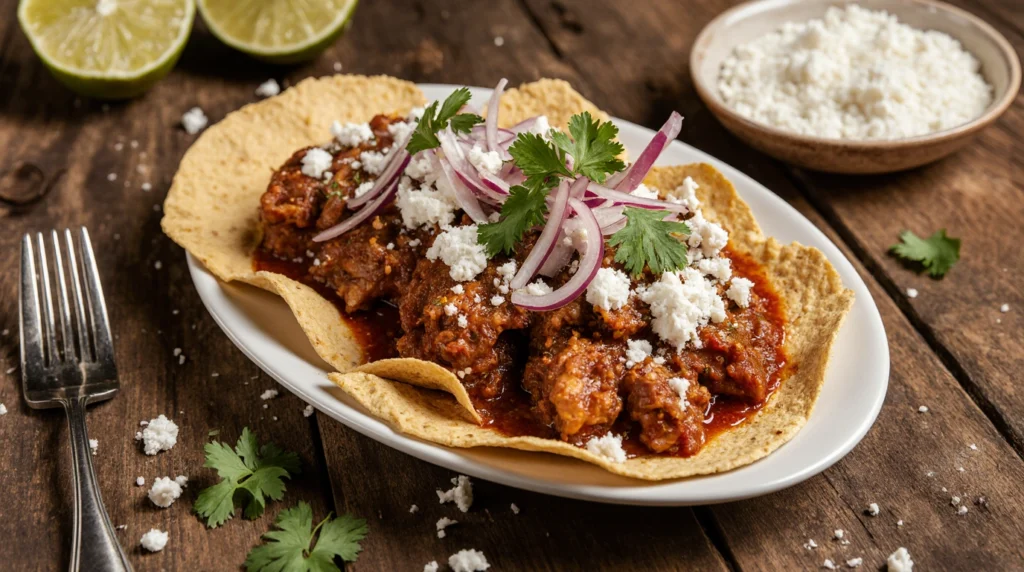
Before you improve a tinga , you need to understand what it is at its core. Tinga is a classic Mexican preparation, most commonly made with shredded chicken simmered in a tomato-based sauce flavored with chipotle peppers, onions, and garlic. The result is a dish that is smoky, slightly spicy, tangy, and rich without being heavy.
The Origins of the Classic Tinga Recipe
Tinga originated in Puebla, Mexico, a region known for layered flavors rather than excessive ingredients. Traditionally, tinga was a practical dish—designed to stretch meat, feed families, and deliver comfort. That heritage matters because it explains why the best tinga is simple, balanced, and intentional.
You are not trying to overwhelm the dish with spices. You are trying to let a few powerful ingredients work together.
The Flavor Profile You Should Expect
When your chicken tinga is done right, you should notice:
- A gentle smokiness from chipotle peppers
- Natural sweetness from cooked tomatoes and onions
- A savory depth that builds as it simmers
- A texture that is saucy but not watery
If any one of these elements dominates, the balance is off. Mastery comes from learning how to keep everything in check.
Essential Ingredients for the Best Tinga Recipe

A great tinga recipe starts with the right ingredients, but more importantly, with understanding what each ingredient contributes.
Core Ingredients You Should Always Use
| Ingredient | Why It Matters | Notes |
|---|---|---|
| Chicken | Provides structure and absorbs flavor | Thighs preferred for moisture |
| Tomatoes | Forms the sauce base | Fresh or fire-roasted canned |
| Chipotle in adobo | Adds smoke and heat | Adjust quantity carefully |
| Onion | Builds sweetness and depth | White or yellow works best |
| Garlic | Enhances aroma | Fresh cloves recommended |
| Oil | Carries flavor | Neutral or light olive oil |
| Salt | Balances all flavors | Add gradually |
These ingredients are non-negotiable if you want an authentic and reliable tinga recipe.

Optional Additions That Elevate Flavor
You can enhance your chicken tinga with small additions, as long as you use restraint:
- Bay leaf for subtle depth
- Dried oregano for herbal notes
- A pinch of cumin for warmth
The key is subtlety. If people can identify the spice before the tinga itself, you have gone too far.
Tip #1 – Choose the Right Cut of Chicken for Your Tinga Recipe
One of the most overlooked decisions in a chicken tinga is the cut of chicken you use. While chicken breast is common, it is not always ideal.
Chicken thighs give you:
- More moisture
- Better shredding texture
- Richer flavor after simmering
If you prefer chicken breast, you can still use it, but you must be more careful with cooking time to avoid dryness. Your goal is meat that shreds easily and stays tender after soaking up the sauce.
Tip #2 – Roast or Char Your Ingredients for Deeper Flavor
If you want your chicken tinga to taste bold rather than flat, roasting your ingredients is one of the most powerful techniques you can use.
Why Roasting Makes a Difference
Roasting tomatoes, onions, and garlic concentrates their flavor and adds complexity. Heat triggers caramelization, which brings out natural sweetness and reduces acidity. This step alone can take your chicken tinga from average to memorable.
Easy Roasting Methods You Can Use at Home
You have several options:
- Oven roasting: Reliable and even
- Stovetop charring: Faster, adds light smokiness
- Air fryer: Convenient and controlled
No matter the method, aim for light blistering and soft texture, not burning.
Tip #3 – Master the Chipotle Balance in Your Tinga Recipe
Chipotle peppers are the heart of a tinga , but they are also where many people go wrong. Too little, and the dish tastes bland. Too much, and it becomes overpowering.
How to Control Heat Without Losing Flavor
Start with one pepper and a small amount of adobo sauce. Taste, then adjust. Remember, chipotle flavor is not just heat—it is smoke, bitterness, and depth.
Simple Heat Guide
- Mild: ½ chipotle pepper
- Medium: 1 full pepper
- Spicy: 2 peppers or more
You can always add more, but you cannot remove it once it is blended in.
Tip #4 – Build the Sauce Before Adding the Chicken
One of the most common mistakes in a tinga recipe is cooking everything at the same time. When you simmer the sauce separately first, you allow flavors to develop fully.
Your process should look like this:
- Cook and blend the sauce ingredients
- Simmer the sauce until thick and aromatic
- Add shredded chicken at the end
This approach prevents watery tinga and ensures every strand of chicken is coated properly.
Tip #5 – Shred Chicken the Right Way for Perfect Texture
Texture matters more than most people realize. Poorly shredded chicken can ruin an otherwise great tinga recipe.
Best Shredding Methods
- Fork method: Classic and controlled
- Hand shredding: Best feel and texture
- Stand mixer: Fast, but easy to overdo
You want strands, not mush. Stop shredding as soon as the chicken pulls apart naturally.
Tip #6 – Simmer Low and Slow for an Authentic Tinga Recipe
Patience is a major factor in flavor. Once the chicken is combined with the sauce, gentle simmering allows everything to come together.

What You Should Look For While Simmering
- Sauce thickens slightly
- Oil begins to separate
- Aroma becomes deeper and rounder
Avoid high heat. A slow simmer keeps the chicken tender and prevents bitterness.
Tip #7 – Adjust Acidity to Make Your Tinga Recipe Pop
A great tinga recipe has balance, and acidity plays a quiet but important role.
When and How to Add Acidity
Add acidity at the end, not the beginning. A squeeze of lime juice or a splash of mild vinegar can brighten flavors without overpowering them.
You are not trying to make the dish sour. You are waking it up.
Tip #8 – Serve Your Tinga Recipe the Traditional Way
How you serve tinga affects how it is perceived.
Popular Serving Options
- Crispy tostadas
- Soft corn tortillas
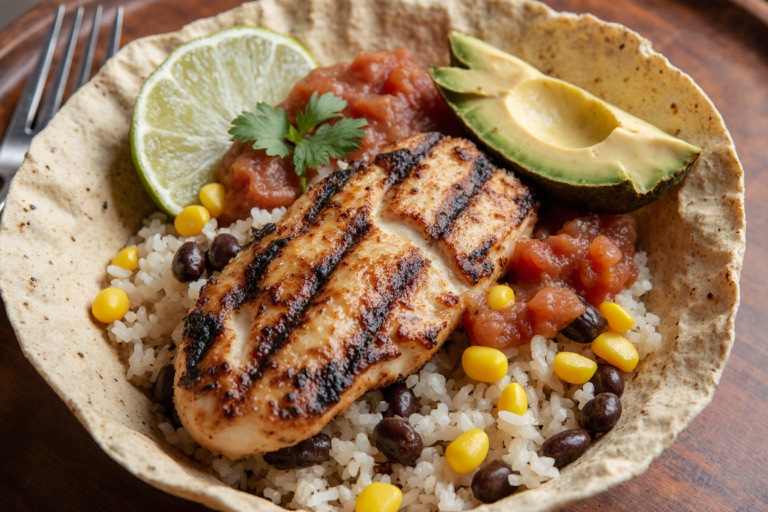
- Rice bowls
Traditional Toppings That Matter
- Crumbled queso fresco
- Mexican crema
- Fresh cilantro
- Pickled onions or jalapeños
These toppings are not decoration. They add contrast and balance.
Common Mistakes That Ruin a Tinga Recipe

Avoid these issues if you want consistent results:
- Overblending the sauce until it becomes watery
- Adding too much liquid
- Skipping seasoning adjustments
- Rushing the simmering process
Every mistake affects flavor or texture, sometimes both.
How to Store, Freeze, and Reheat a Tinga Recipe
A well-made tinga recipe stores exceptionally well, which makes it ideal for meal prep.
Refrigerator Storage
- Store in airtight containers
- Keeps well for up to 4 days
Freezing Tinga
- Freeze in portioned containers
- Holds quality for up to 3 months
Reheating Without Drying It Out
- Reheat gently on the stovetop
- Add a small splash of water or broth if needed
Frequently Asked Questions About Tinga Recipe

What makes a tinga recipe authentic?
Authentic tinga relies on simple ingredients, chipotle peppers, and slow cooking rather than heavy seasoning.
Is a tinga recipe spicy?
It can be mild or spicy depending on how much chipotle you use.
Can you make a tinga recipe ahead of time?
Yes, and it often tastes better the next day as flavors settle.
Can you make a tinga recipe without chipotle?
You can, but it will lose its signature smokiness. Substitutions should be used carefully.
What protein works best besides chicken?
Beef, pork, and even jackfruit work well when prepared properly.
Conclusion – Master Your Tinga Recipe with Confidence
Mastering the best tinga recipe at home is not about following rigid rules. It is about understanding balance, respecting the ingredients, and trusting your taste. When you apply these eight powerful tips, you move from guessing to cooking with intention.
Now it is your turn. Use this guide, adjust it to your preferences, and make tinga a dish you are proud to serve. If this article helped you, save it, share it, and come back the next time you want to refine your skills even further.