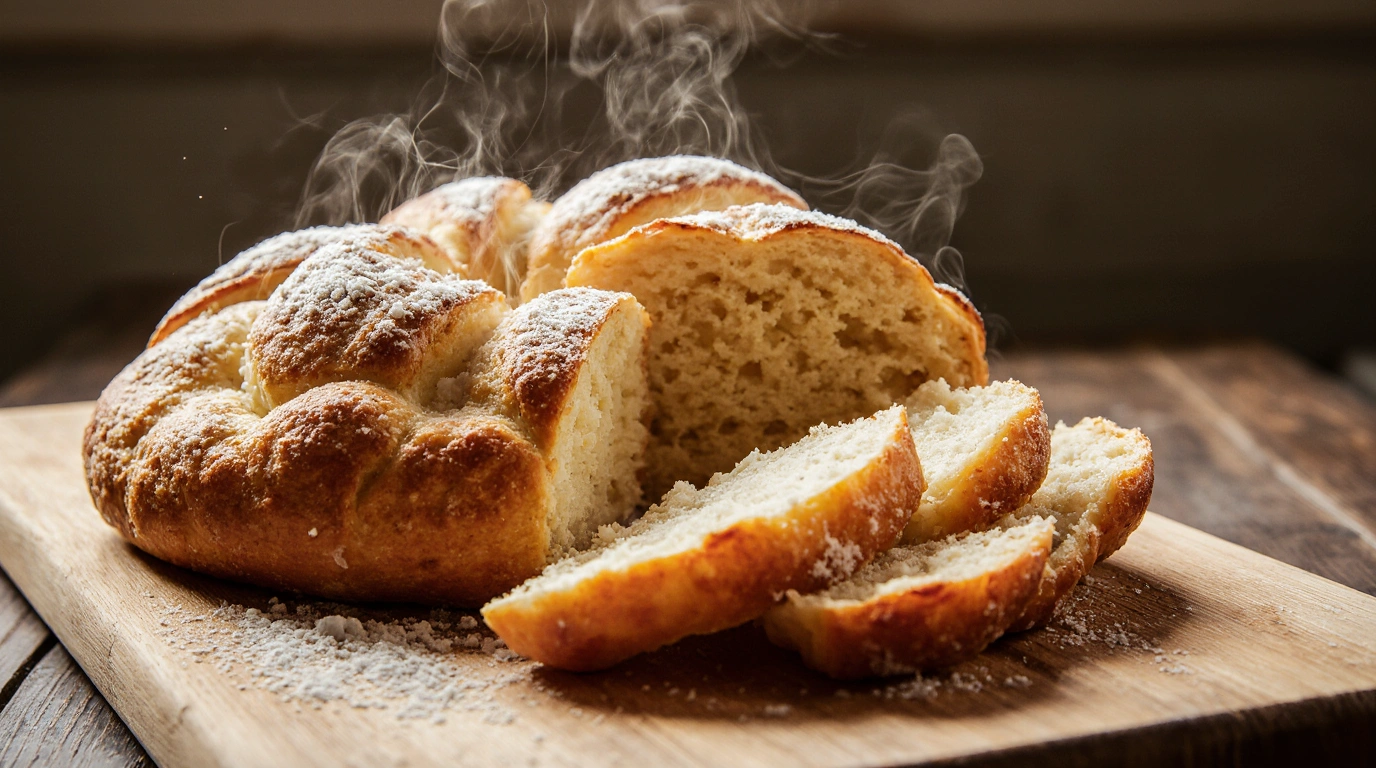
9 Irresistible Gipfeli Recipe Ideas That Taste Better Than the Bakery
Table of Contents
There is something deeply comforting about the smell of warm pastry filling your kitchen early in the morning. If you have ever walked past a bakery and felt that quiet pull toward the window, you already understand the emotional power of a good gipfeli. But what if you could create that same experience at home—and even improve on it?
When you master a proper gipfeli recipe, you are not just baking breakfast. You are slowing down, working with your hands, and giving yourself permission to enjoy something made with care. And the best part is this: you do not need professional training or expensive equipment to make gipfeli that taste better than the bakery version. You just need the right guidance, the right ingredients, and a clear process.
In this guide, you will discover nine carefully selected gipfeli recipe ideas that balance flavor, texture, and practicality. Whether you prefer sweet, savory, or classic styles, you will find options that fit your taste—and your schedule.
What Makes a Gipfeli Recipe Truly Better Than the Bakery?
Not all gipfeli are created equal. Many bakery versions rely on shortcuts designed for speed and shelf life, not flavor. When you bake at home, you control every element of the process, and that changes everything.
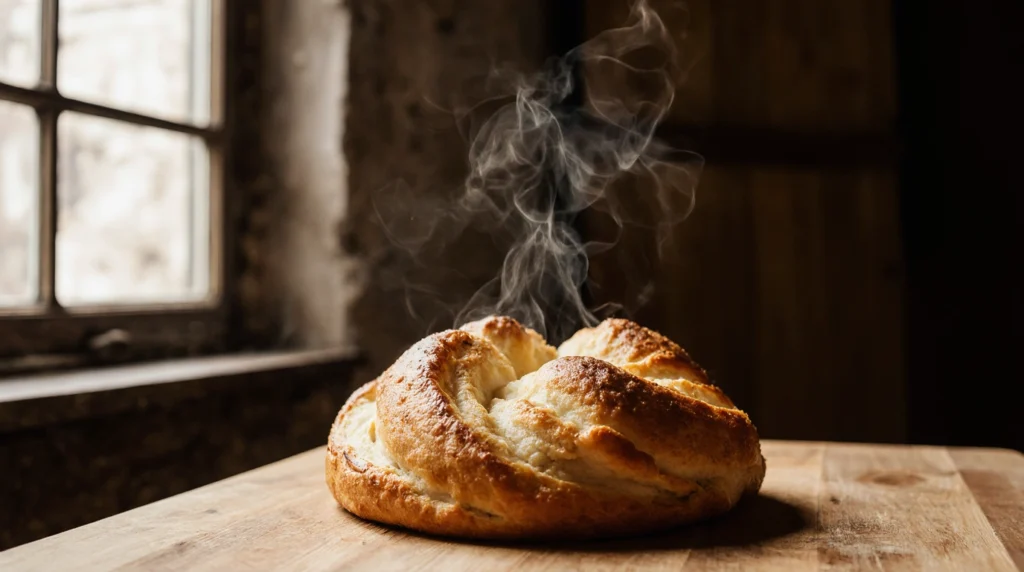
A superior gipfeli recipe stands out because of:
- Butter quality: Real butter with higher fat content creates richer flavor and better layers
- Fermentation time: Slower dough development improves aroma and texture
- Fresh baking: Gipfeli are at their best minutes after leaving the oven
- Customization: You choose the sweetness, filling, and size
Unlike mass-produced pastries, your homemade gipfeli can be tailored exactly to what you enjoy most.
Essential Ingredients for a Perfect Gipfeli Recipe
Before you explore the variations, it helps to understand the building blocks behind every successful gipfeli recipe.
Core Ingredients You’ll Need
| Ingredient | Purpose | Helpful Notes |
|---|---|---|
| All-purpose flour | Dough structure | Bread flour adds more chew |
| Unsalted butter | Flakiness and flavor | European-style butter preferred |
| Yeast | Rise and lightness | Instant or active dry |
| Milk | Tender crumb | Warm slightly before mixing |
| Sugar | Balanced sweetness | Honey works well too |
| Salt | Flavor control | Never omit |
Using fresh, high-quality ingredients makes a noticeable difference. Butter, in particular, plays a defining role in how flaky and rich your gipfeli turn out.
9 Irresistible Gipfeli Recipe Ideas (That Taste Better Than the Bakery)
This section is the heart of the article. Each variation builds on the same core technique while offering a unique flavor experience.
1. Classic Swiss Butter Gipfeli Recipe
This is where every baker should begin. The classic butter gipfeli delivers clean flavor, crisp layers, and a soft interior.
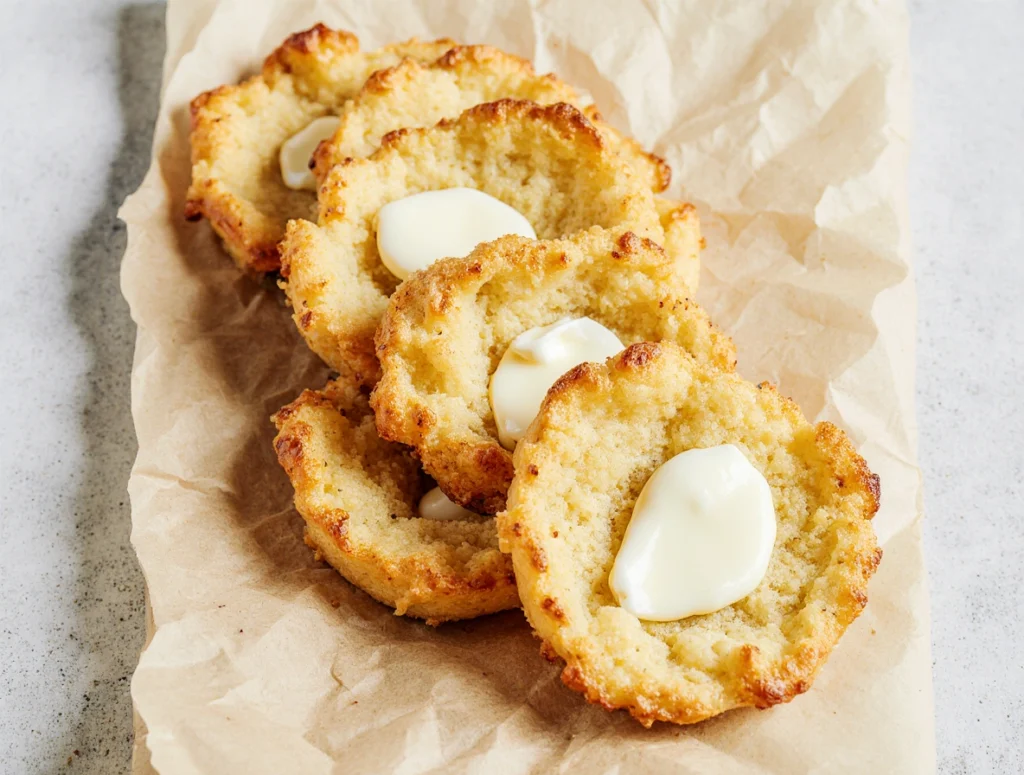
Why you’ll love it:
- Perfect balance of flake and tenderness
- Works for sweet or savory toppings
- Ideal for beginners
Serve it warm with jam, honey, or soft cheese, and you will understand why simplicity often wins.
2. Almond-Filled Gipfeli with Crunchy Tops
If you enjoy bakery-style almond pastries, this variation will quickly become a favorite.
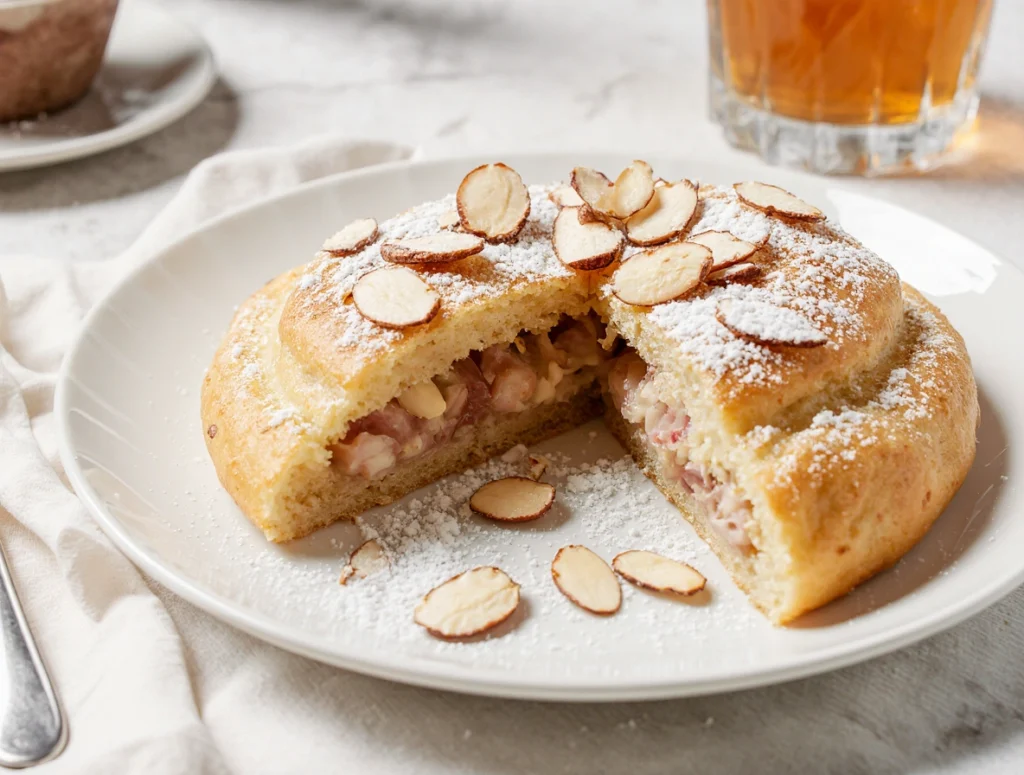
Key highlights:
- Creamy almond filling
- Light sugar crunch on top
- Excellent for brunch spreads
This gipfeli recipe pairs beautifully with coffee and feels indulgent without being heavy.
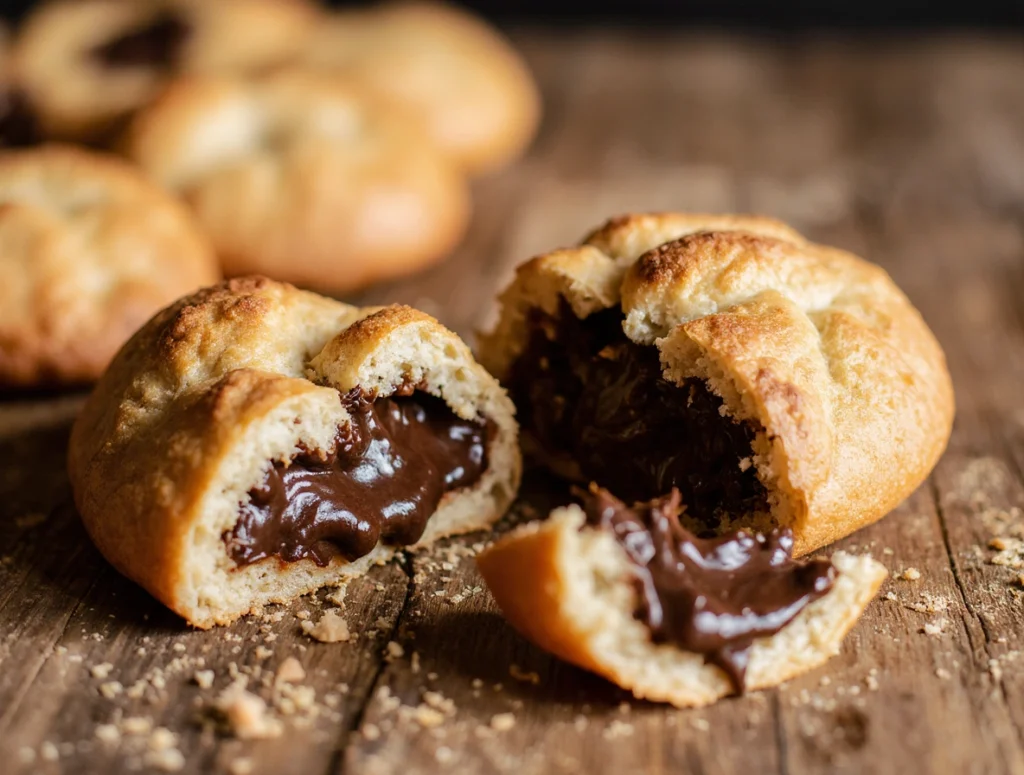
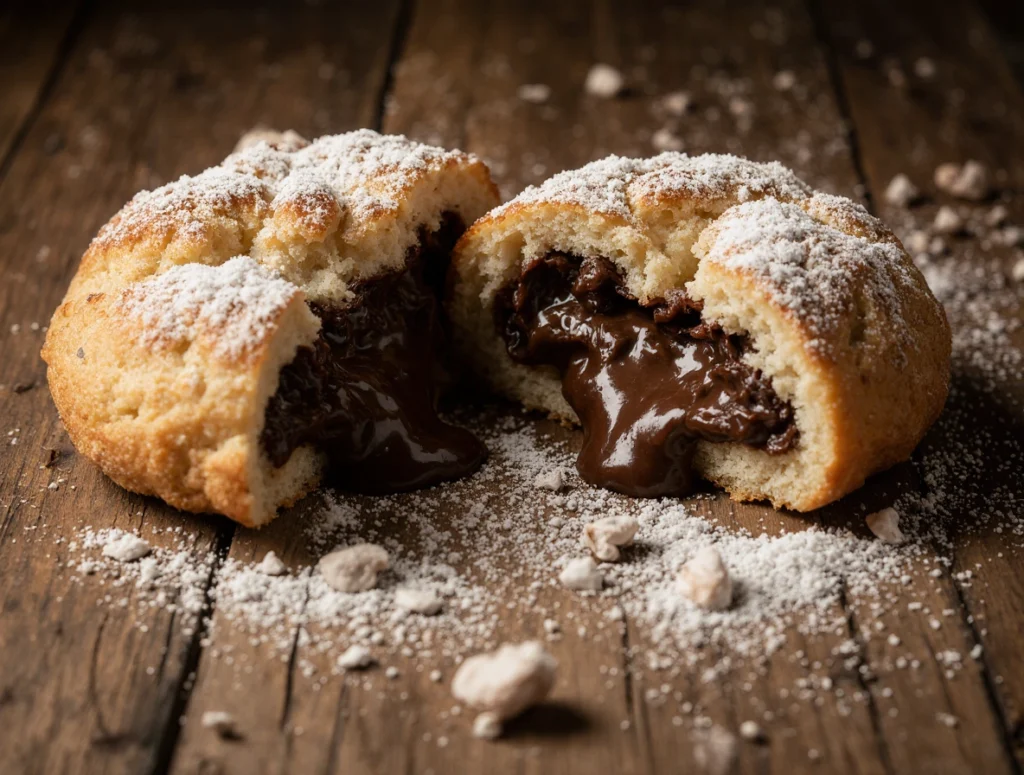
3. Chocolate Gipfeli Recipe (Pain au Chocolat Style)
Chocolate-filled gipfeli are a reliable crowd-pleaser.
Tips for best results:
- Use high-quality dark chocolate bars
- Keep filling centered to avoid leaks
- Slightly underbake for a soft center
The contrast between crisp pastry and melted chocolate makes this version especially satisfying.
4. Honey-Butter Gipfeli for Breakfast Lovers
Honey adds a gentle sweetness that enhances the buttery layers rather than overpowering them.
Why it works:
- Natural sweetness
- Beautiful golden color
- Pairs well with tea or yogurt
This gipfeli recipe feels comforting and familiar, making it ideal for quiet mornings.
5. Savory Cheese Gipfeli Recipe
Not all gipfeli need to be sweet. A savory cheese version offers depth and richness.
Best cheese options:
- Gruyère
- Emmental
- Aged cheddar
Serve these warm as a snack, lunch side, or party appetizer.
6. Ham and Cheese Stuffed Gipfeli
This variation transforms gipfeli into a complete meal.
Why you’ll appreciate it:
- Balanced protein and fat
- Easy to freeze and reheat
- Popular with both adults and kids
If you are preparing breakfast ahead of time, this gipfeli recipe is especially practical.
7. Whole Wheat Gipfeli Recipe (Healthier Option)
If you prefer a more wholesome pastry, whole wheat flour adds nuttiness and fiber.
What to expect:
- Slightly denser crumb
- Deeper flavor
- Improved satiety
Blending whole wheat with white flour helps maintain flakiness.
8. Mini Gipfeli for Parties and Events
Smaller gipfeli are perfect for sharing.
Advantages:
- Faster baking time
- Easier portion control
- Visually appealing on trays
You can mix fillings to offer variety without extra effort.
9. Sweet Vanilla Sugar Gipfeli
This dessert-style gipfeli features a light vanilla aroma and a subtle sugar finish.
Ideal for:
- Afternoon coffee breaks
- Elegant desserts
- Light celebrations
It proves that a gipfeli recipe does not need heavy fillings to feel special.
Step-by-Step Gipfeli Recipe Process (Simplified Overview)
Understanding the process helps you bake with confidence.
Dough Preparation
- Mix flour, yeast, milk, sugar, and salt
- Knead until smooth
- Let rest until slightly risen
Butter Lamination
- Flatten cold butter into a thin sheet
- Fold dough over butter in layers
- Chill between folds to maintain structure
Shaping and Proofing
- Roll dough into triangles
- Shape into crescents
- Allow gentle rise until puffy
Baking for Flaky Perfection
- Bake in a hot oven
- Rotate tray halfway
- Cool slightly before serving
Patience during chilling stages is what separates average results from excellent ones.
Common Mistakes That Ruin a Gipfeli Recipe (And How to Avoid Them)
Even the best gipfeli recipe can fail if small but critical details are overlooked. Gipfeli dough is sensitive to temperature, timing, and handling, which means minor errors can affect flakiness, rise, and flavor. Understanding these common mistakes will help you avoid frustration and consistently achieve bakery-level results at home.
Using Butter That Is Too Soft or Too Warm
Butter temperature is one of the most decisive factors in a successful gipfeli recipe. If the butter becomes too soft, it blends into the dough instead of forming distinct layers. This results in dense, bread-like pastries rather than light, flaky gipfeli.
How to avoid it:
- Keep butter cold but flexible before lamination
- Chill the dough between folds if it starts to feel soft
- Work in a cool kitchen whenever possible
When butter remains cold, it creates steam during baking, which is what forms those delicate layers you are aiming for.
Skipping Resting and Chilling Times
Rushing the process is one of the most common reasons a gipfeli recipe fails. Resting allows gluten to relax and butter to firm up, both of which are essential for clean folds and proper rise.
How to avoid it:
- Respect every resting stage in the recipe
- Chill the dough after each fold
- Allow adequate proofing time before baking
If the dough resists rolling or shrinks back, it is a sign that it needs more rest, not more force.
Overproofing the Dough
While proofing is necessary, too much of it weakens the dough structure. Overproofed gipfeli often collapse in the oven or spread instead of rising upward.
Signs of overproofing:
- Dough feels fragile and overly puffy
- Gipfeli lose their defined shape
- Pastries deflate after baking
How to avoid it:
- Proof until the dough looks airy, not doubled
- Gently press the surface; it should slowly spring back
- Bake immediately once properly proofed
Baking at the Wrong Temperature
Oven temperature directly affects how your gipfeli recipe performs. A low temperature causes butter to melt too slowly, while an overly hot oven can burn the exterior before the inside sets.
How to avoid it:
- Preheat the oven fully before baking
- Bake at a high but controlled temperature
- Avoid opening the oven door early
A strong initial heat helps the butter release steam quickly, creating lift and crisp layers.
Rolling the Dough Too Thin or Unevenly
Uneven rolling leads to inconsistent baking. Thin spots may burn, while thicker areas remain undercooked, compromising texture.
How to avoid it:
- Roll evenly from the center outward
- Rotate the dough frequently
- Measure thickness if needed for consistency
Uniform layers ensure even rise and balanced flakiness throughout each gipfeli.
Using Low-Quality Ingredients
A gipfeli recipe relies on a short ingredient list, which means quality matters. Poor butter, old yeast, or weak flour will all show in the final result.
How to avoid it:
- Choose fresh yeast with good activity
- Use high-fat, unsalted butter
- Avoid substituting margarine or butter blends
Better ingredients do not just improve flavor—they improve structure and reliability.
Cutting Corners During Shaping
Improper shaping can prevent gipfeli from rising evenly. If the dough is stretched or rolled too tightly, layers may compress and limit expansion.
How to avoid it:
- Cut clean triangles with a sharp knife
- Roll gently without squeezing
- Place the tip underneath to secure the shape
Good shaping allows the pastry to expand naturally in the oven.
Reheating Incorrectly
Even a well-made gipfeli recipe can be ruined after baking if reheated improperly. Microwaves soften the crust and destroy flakiness.
How to avoid it:
- Reheat in the oven at low heat
- Avoid reheating more than once
- Refresh with a light mist of water if needed
Handled correctly, reheated gipfeli can taste nearly as good as fresh.
By avoiding these common mistakes, you dramatically improve your chances of success. A gipfeli recipe rewards patience, attention, and care, and once you understand these pitfalls, your results will become consistent and deeply satisfying.
How to Store and Reheat Homemade Gipfeli Properly
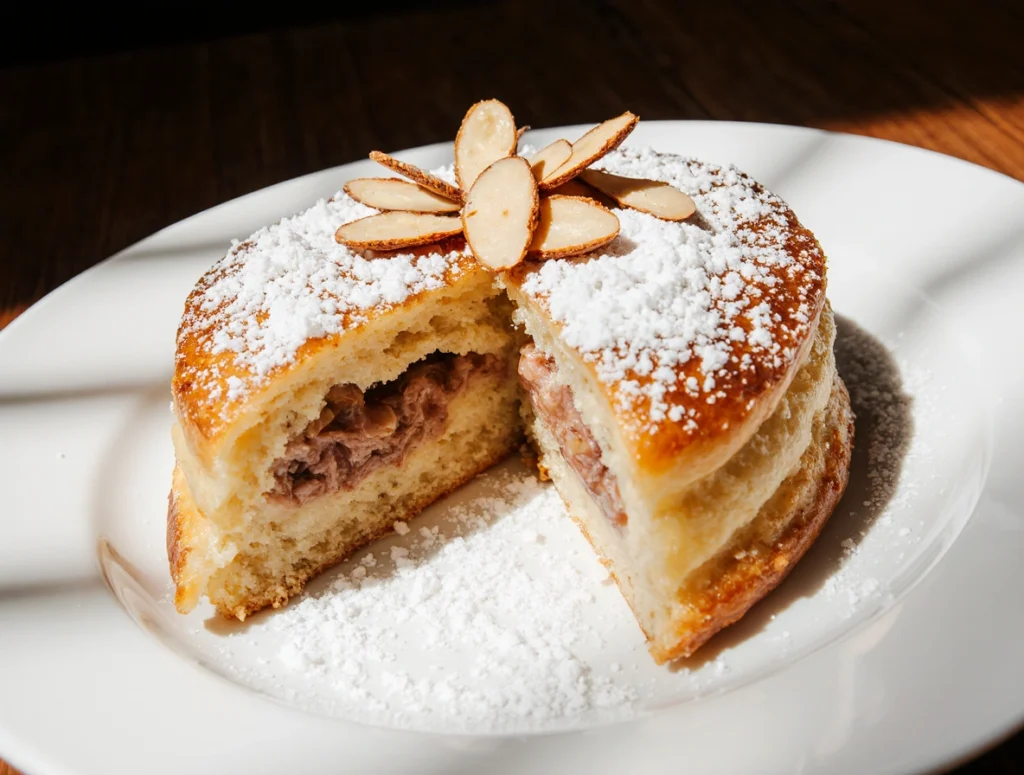
Once you have mastered a good gipfeli recipe, knowing how to store and reheat your pastries correctly becomes just as important as baking them. Proper handling preserves texture, flavor, and flakiness, ensuring your gipfeli taste fresh even after the day they are baked.
Storing Gipfeli at Room Temperature
Homemade gipfeli are best enjoyed fresh, but short-term storage at room temperature works well if done correctly.
Best practices for room storage:
- Let gipfeli cool completely before storing
- Place them in a paper bag or loosely covered container
- Keep them in a cool, dry place away from sunlight
Avoid sealing gipfeli in airtight plastic at room temperature, as trapped moisture softens the crust and reduces flakiness.
Refrigerating Gipfeli: When It Makes Sense
Refrigeration is not ideal for pastries, but there are situations where it may be necessary.
When to refrigerate:
- Gipfeli filled with cheese, ham, or cream
- Warm climates where room storage is unsafe
How to do it properly:
- Wrap each gipfeli individually
- Store in an airtight container
- Reheat before serving to restore texture
Cold storage firms the butter, which is why reheating is essential after refrigeration.
Freezing Homemade Gipfeli for Long-Term Storage
Freezing is the best option if you want to extend the life of your gipfeli recipe results without sacrificing quality.
Freezing baked gipfeli:
- Cool completely
- Wrap tightly in parchment and foil
- Store in freezer-safe bags
Freezing unbaked gipfeli:
- Shape and freeze on a tray
- Transfer to bags once solid
- Bake directly from frozen, adding extra time
Properly frozen gipfeli maintain excellent structure and flavor for several weeks.
How to Reheat Gipfeli Without Losing Flakiness
Reheating correctly is crucial to bringing your gipfeli back to life.
Oven Reheating (Best Method)
- Preheat oven to low-to-medium heat
- Place gipfeli directly on the rack or a baking tray
- Heat until warm and crisp
This method restores crisp layers while keeping the inside tender.
Toaster Oven Reheating
- Use moderate heat
- Watch closely to avoid over-browning
- Ideal for single servings
What to Avoid When Reheating
- Do not use the microwave unless absolutely necessary
- Avoid reheating multiple times
- Do not wrap tightly while reheating
Microwaves soften butter layers and remove the crisp texture that defines a good gipfeli recipe.
Refreshing Day-Old Gipfeli
If your gipfeli feel slightly dry, a simple trick can help.
Quick refresh method:
- Lightly mist the exterior with water
- Reheat briefly in the oven
The moisture creates steam, helping revive the flaky layers without making the pastry soggy.
How Long Stored Gipfeli Stay Fresh
- Room temperature: up to 24 hours
- Refrigerated: 2–3 days
- Frozen: up to 2 months
Following these guidelines ensures your gipfeli recipe delivers consistent quality from the first bite to the last.
Storing and reheating gipfeli properly protects the time and care you put into baking them. With the right techniques, you can enjoy bakery-quality results whenever you want—without starting from scratch each time.
Frequently Asked Questions About Gipfeli Recipe
What is the difference between a croissant and a gipfeli recipe?
While similar, gipfeli typically use slightly less butter and have a firmer bite, reflecting Swiss baking tradition.
Can beginners successfully make a gipfeli recipe at home?
Yes. With patience and proper chilling, even first-time bakers can achieve excellent results.
How long does a homemade gipfeli recipe stay fresh?
Best within 24 hours, but freezing extends freshness significantly.
Can I freeze dough from a gipfeli recipe?
Absolutely. Freeze after shaping, then bake directly from frozen with added time.
Conclusion: Why This Gipfeli Recipe Collection Is Worth Baking at Home
Baking gipfeli at home gives you something bakeries cannot: full control over flavor, freshness, and experience. When you follow a thoughtful gipfeli recipe and take your time, the result is not just better pastry—it is a better moment.
You deserve food that feels intentional, comforting, and rewarding. These nine gipfeli recipe ideas give you flexibility, confidence, and inspiration, whether you are baking for yourself or sharing with others.
Your next step: choose one variation, plan a quiet morning, and let your kitchen become the bakery you always wished for.
If you enjoyed this guide, save it, share it, and start experimenting. Your perfect gipfeli is closer than you think.