
Balsamic Vinaigrette Recipe: 5 Easy Steps to a Delicious, Flavor-Boosting Dressing
Table of Contents
There’s something satisfying about creating a simple dressing that instantly upgrades your meals. When you whisk together a homemade balsamic vinaigrette, you’re not just mixing ingredients—you’re building flavor, balance, and freshness in a way that bottled dressings can’t match. Maybe you’re trying to clean up your eating habits, bring more excitement to your salads, or simply enjoy the comfort of real, honest ingredients. Whatever your reason, mastering this dressing gives you a tool that keeps delivering value.
This guide walks you through each step with clarity. You’ll learn how to build flavor, store your dressing properly, customize it to your liking, and use it in multiple ways. By the time you reach the end, you’ll feel confident preparing a vinaigrette that adds depth, brightness, and richness to nearly anything you serve.
What Makes This Balsamic Vinaigrette Stand Out

A Balanced Mix of Sweet, Bright, and Savory Notes
Your dressing’s character relies on the harmony between balsamic vinegar and olive oil. High-quality balsamic brings layered sweetness and acidity, while extra virgin olive oil adds fullness and smoothness. Dijon mustard ties everything together, giving the vinaigrette a cohesive, silky texture.
Why Homemade Always Wins
When you prepare this dressing yourself, you get complete control:
- You skip preservatives and unnecessary fillers.
- You choose your preferred oil and vinegar quality.
- You adjust sweetness or acidity based on your own taste.
- You get fresher flavor compared to store-bought bottles.
- You save money by using ingredients already in your kitchen.
A homemade vinaigrette simply tastes brighter, richer, and more natural.
Ingredients You’ll Need

Simple Ingredients, Big Flavor
Below is your measurement guide for a smooth, balanced balsamic vinaigrette:
| Ingredient | Measurement | Notes |
|---|---|---|
| Balsamic Vinegar | 1/4 cup | Aged balsamic gives enhanced depth |
| Extra Virgin Olive Oil | 1/2 cup | Adds richness and smooth mouthfeel |
| Dijon Mustard | 1 tbsp | Needed for emulsion |
| Honey or Maple Syrup | 1–2 tsp | Balances acidity |
| Garlic (minced) | 1 clove | Fresh for maximum aroma |
| Salt | To taste | Use sea salt for best results |
| Black Pepper | To taste | Freshly cracked recommended |
Feel free to fine-tune sweetness or acidity as you mix. Your taste is the final judge.
How to Make This Balsamic Vinaigrette Recipe (5 Simple Steps)
Preparing a fresh, restaurant-quality balsamic vinaigrette at home is incredibly simple, and the process takes only a few minutes. By following these five streamlined steps, you will create a smooth, well-balanced dressing that elevates salads, roasted vegetables, grilled meats, and meal-prep bowls. Here is exactly how to make this balsamic vinaigrette recipe from scratch for the best flavor and texture.
Step 1: Measure Your Ingredients for Accuracy
Start by gathering all the ingredients: high-quality balsamic vinegar, extra-virgin olive oil, Dijon mustard, minced garlic (or garlic powder), honey or maple syrup for sweetness, salt, and freshly cracked black pepper. Measuring accurately ensures the vinaigrette emulsifies properly and delivers a consistent flavor every time. Using quality balsamic vinegar and cold-pressed olive oil also enhances the richness of the dressing.
Step 2: Combine the Base Ingredients in a Bowl or Jar
Add the balsamic vinegar, Dijon mustard, garlic, and sweetener to a medium mixing bowl or mason jar. This combination forms the flavor foundation of your vinaigrette. The Dijon mustard is essential because it acts as a natural emulsifier, helping the vinegar and oil blend smoothly without separating.
Step 3: Slowly Stream in the Olive Oil
Pour in the olive oil gradually while whisking continuously. If using a jar, secure the lid tightly and shake for 10–15 seconds until the dressing turns glossy and fully blended. Adding the oil slowly is key to building a stable emulsion, resulting in a creamy texture instead of a thin, oily mixture.
Step 4: Season and Adjust to Taste
Add salt and black pepper, then whisk again. Taste your vinaigrette and adjust the balance to your preference: add more sweetener for a softer, sweeter profile, increase the vinegar for extra tanginess, or include more mustard for additional depth and thickening. This customization ensures the balsamic vinaigrette matches the flavor profile of your specific dish.
Step 5: Store or Serve Immediately
Use the vinaigrette right away for maximum freshness, or store it in an airtight jar in the refrigerator for up to one week. Shake well before each use because natural separation can occur over time. Homemade balsamic dressing typically thickens when chilled, so allow it to sit at room temperature for a few minutes before serving.
Easy Flavor Variations
Once you’ve mastered the classic balsamic vinaigrette recipe, experimenting with flavor variations can take your salads, roasted vegetables, and grilled dishes to the next level. These simple tweaks allow you to tailor your dressing to your taste preferences, the season, or the dish you’re serving. Here are some easy and delicious options:
1. Italian Herb Balsamic Vinaigrette
- Add ½ teaspoon each of dried basil, oregano, and rosemary.
- Optional: a pinch of crushed red pepper for mild heat.
- Best used on: leafy green salads, pasta salads, or as a light drizzle on roasted vegetables.
2. Creamy Balsamic Vinaigrette
- Stir in 1–2 tablespoons of Greek yogurt or mayonnaise to the basic recipe.
- Adds a velvety texture and slightly tangy richness.
- Best used on: wedge salads, coleslaw, or as a dip for fresh vegetables.
Reader Tip: Adjust the creaminess by gradually adding yogurt until you reach your preferred consistency.
3. Garlic-Forward Balsamic Dressing
- Double the garlic or add roasted garlic for a milder, sweeter flavor.
- Optional: a few drops of garlic-infused olive oil for extra aroma.
- Best used on: roasted vegetables, grilled chicken, or steak salads.
4. Low-Calorie or Light Balsamic Vinaigrette
- Reduce olive oil by half and add a splash of water to maintain pourable consistency.
- Optional: use a sugar-free sweetener instead of honey or maple syrup.
- Best used on: meal-prep salads, low-calorie bowls, or as a healthy drizzle for roasted veggies.
Reader Tip: This version keeps flavor bright without adding extra calories, making it perfect for diet-conscious readers.
5. Citrus-Infused Balsamic Vinaigrette
- Add 1 teaspoon of fresh orange or lemon juice to brighten the dressing.
- Optional: zest from the fruit can enhance aroma and flavor complexity.
- Best used on: spinach salads, arugula, or dishes with fresh berries.
Pro Tip: Once you’ve tried these variations, you can mix and match herbs, sweeteners, and aromatics to create your own signature balsamic dressing. Each tweak allows you to pair the vinaigrette perfectly with different ingredients, from hearty roasted vegetables to light summer salads.
How to Use Your Balsamic Vinaigrette
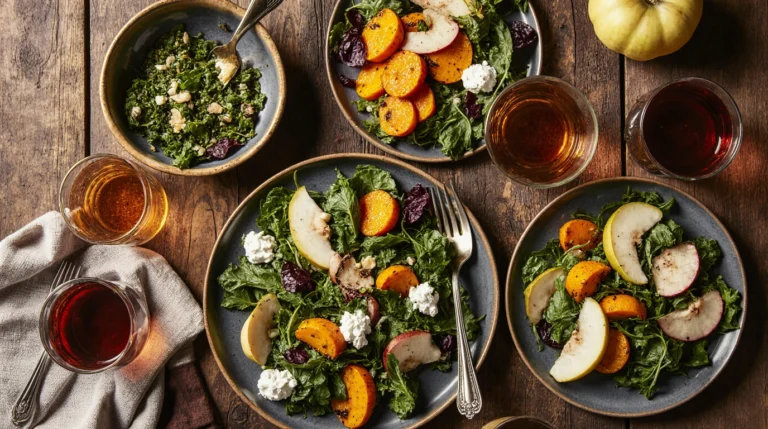
Perfect Salad Pairings
Try your vinaigrette with:
- Arugula
- Baby spinach
- Mixed greens
- Caprese salads
- Roasted veggie bowls

Its acidity lifts leafy greens and enhances fresh ingredients.
Use as a Marinade
The vinegar tenderizes proteins, while the oil helps them cook evenly.
Ideal for:
- Chicken
- Steak
- Tofu
- Grilled vegetables
Add It as a Drizzle
You can also use the vinaigrette to brighten:
- Tomatoes
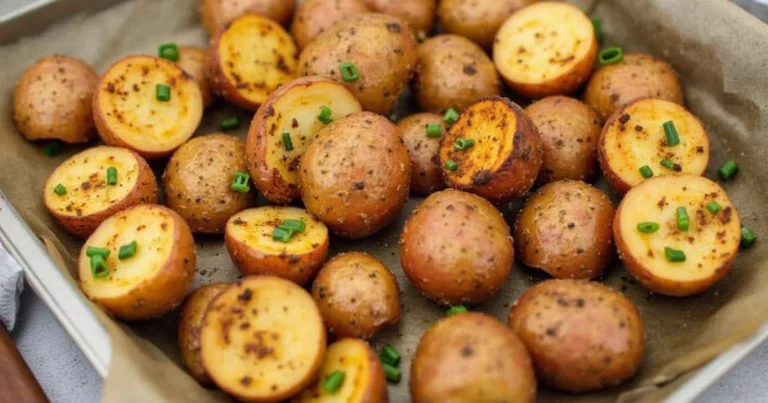
- Roasted potatoes
- Sandwiches
- Wraps
- Grain bowls
This dressing works almost anywhere you want freshness and contrast.
Expert Tips for Perfect Results
Even though this balsamic vinaigrette recipe is simple, a few expert techniques can elevate it from good to exceptional. Following these tips ensures your dressing is perfectly balanced, smooth, and versatile every time.
1. Choose the Right Olive Oil
- Use high-quality extra virgin olive oil for the best flavor and texture.
- Cold-pressed oils retain natural fruitiness and richness that enhance the vinaigrette.
- Avoid generic or light-tasting oils—they can make your dressing flat or oily.
Pro Tip: Taste your olive oil alone before using it. Its flavor will heavily influence your vinaigrette.


2. Pick a Quality Balsamic Vinegar
- Opt for aged balsamic vinegar for a sweeter, more complex flavor.
- Avoid inexpensive balsamic glazes or artificially sweetened versions—they can overpower the dressing.
- For a more budget-friendly option, mix a high-quality vinegar with a small amount of honey to achieve balance.
3. Emulsify Properly
- To create a smooth, creamy vinaigrette, whisk the oil in slowly or shake in a sealed jar.
- Dijon mustard is your natural emulsifier, helping the oil and vinegar bind into a uniform texture.
- If separation occurs during storage, simply shake or whisk before serving.
4. Adjust Sweetness and Acidity
- Taste the vinaigrette as you mix. Add honey, maple syrup, or a pinch of sugar if the vinegar is too sharp.
- Add a little more vinegar if you prefer a tangier profile.
- This step lets you personalize your balsamic dressing to complement specific salads or dishes.
5. Storage Tips
- Store your vinaigrette in a glass jar with a tight lid for up to one week.
- Keep it refrigerated to maintain freshness.
- Natural separation is normal—shake well before each use.
- If the olive oil solidifies slightly, let the dressing sit at room temperature for a few minutes.
6. Enhance With Optional Ingredients
- Fresh herbs like basil, oregano, or thyme can add aromatic complexity.
- Citrus juice or zest brightens the dressing and balances richness.
- Roasted garlic gives a mild, sweet flavor, while raw garlic adds punch.
Pro Tip: Experiment with small batches when adding new flavors. This allows you to find the perfect balance without wasting ingredients.
Nutritional Overview (Approximate per Tablespoon)

- Calories: around 80
- Fat: about 7g
- Carbs: approx. 3g
- Sugar: depends on added sweetener
- Sodium: based on your seasoning
Frequently Asked Questions
What ratio gives the best balsamic vinaigrette?
A 2:1 ratio of oil to vinegar is ideal, though you can adjust for more or less acidity.
How long does homemade balsamic vinaigrette last?
You can store it for up to a week in the refrigerator in a sealed jar.
Can you make this balsamic vinaigrette recipe without sweetener?
Yes. Simply omit the honey or maple syrup if you want a sugar-free version.
Why does my vinaigrette separate?
Oil naturally separates from vinegar. A quick shake re-emulsifies the dressing.
Is this vinaigrette good for marinating?
Absolutely. The acidity breaks down proteins and adds rich flavor.
Conclusion
Creating your own balsamic vinaigrette gives you a quick, effective way to elevate your meals. With simple ingredients and a few minutes of preparation, you gain a versatile dressing that’s vibrant, balanced, and far cleaner than anything pre-made. You can adjust it to your taste, experiment with variations, and enjoy how easily it transforms salads, proteins, and vegetables.

If you’re ready to take your home cooking to the next level, try making a fresh batch today and explore how it enhances your everyday dishes. And if you found this guide useful, consider diving into more homemade dressings or seasoning blends—you’ll discover just how much flavor you can create with basic pantry staples.