25 Low Calorie High Protein Meals to Help You Lose Weight Fast
Table of Contents
Why These Meals Make Your Life Easier
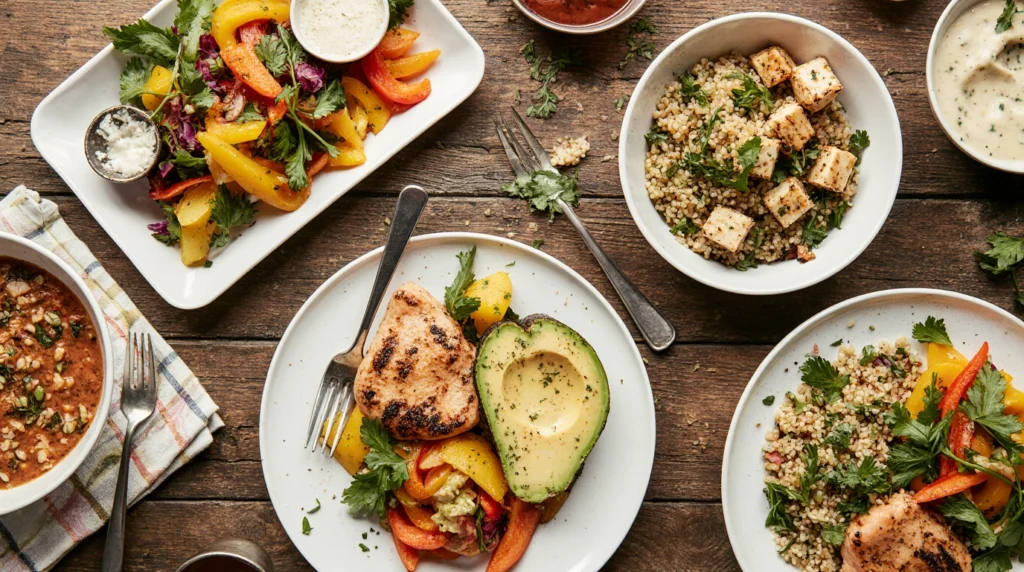
When you’re trying to lose weight, you’ve probably noticed something frustrating: you eat “healthy,” yet you still feel hungry way too soon. Or maybe you’re constantly searching for meals that actually fuel your body without blowing up your calorie count. If that sounds familiar, low calorie high protein meals can truly change the way you approach food.
These meals keep you fuller for longer, help you maintain lean muscle, and stop the cycle of cravings that often slows down progress. And the best part? You don’t have to give up flavor or your favorite comfort foods. In this guide, you’ll discover 25 low calorie high protein meals designed to help you burn fat faster, feel energized, and enjoy eating again.
What Makes a Meal Low Calorie and High Protein?
A low calorie high protein meal is designed to deliver a substantial amount of protein while keeping the overall calorie count low, helping you feel full and satisfied without overeating. Here’s what makes a meal fall into this category:
Key Features
- High Protein Content
- Typically provides 20–30 grams of protein per meal.
- Sources include lean meats (chicken, turkey, fish), eggs, tofu, beans, lentils, Greek yogurt, or low-fat dairy.
- Protein helps increase satiety, maintain muscle mass, and boost metabolism.
- Low-Calorie Ingredients
- Focuses on foods that are nutrient-dense but not calorie-dense.
- Examples: leafy greens, broccoli, cauliflower, zucchini, peppers, mushrooms.
- Avoids heavy sauces, fried foods, and excess oils that add unnecessary calories.
- Balanced Nutrients
- Includes fiber from vegetables and legumes to aid digestion and prolong fullness.
- Incorporates small amounts of healthy fats (like olive oil or avocado) to enhance flavor and nutrient absorption without spiking calories.
- Optional low-glycemic carbs (quinoa, sweet potato, brown rice) provide sustained energy.
- High Satiety with Volume
- Meals are designed to be voluminous, so you feel full without consuming a lot of calories.
- Using water-rich vegetables and high-protein ingredients increases meal volume.
- Simple, Clean Cooking Methods
- Baking, grilling, steaming, or sautéing with minimal oil.
- Avoiding heavy breading, frying, or creamy sauces that add calories without nutritional benefits.
Why It Matters
Eating low calorie high protein meals helps you:
- Control hunger, reducing snacking and overeating.
- Preserve lean muscle while losing fat.
- Maintain energy levels, avoiding the crash from low-protein, high-carb meals.
- Support long-term weight management without feeling deprived.
To help you choose meals that actually move the needle, here’s what defines this type of recipe:
Key Characteristics
- High protein content (at least 20–30g per meal)
- Lower calories (typically 250–450 per serving)
- Good fiber, helping you stay full
- Balanced ingredients like lean meats, beans, tofu, eggs, and low-cal veggies
Why It Helps You Lose Weight
- Protein increases thermogenesis (your body burns more calories digesting it)
- You stay full longer, reducing overeating
- You maintain muscle, which keeps your metabolism active
How to Build Low Calorie High Protein Meals
Creating meals that are both low in calories and high in protein doesn’t have to be complicated. By following a few simple principles, you can design dishes that support weight loss, keep you full longer, and fuel your body efficiently.
Choose Lean Protein Sources
Protein is the key to satiety and muscle maintenance. Include lean meats like chicken, turkey, or fish, egg whites, or plant-based proteins like tofu, tempeh, lentils, and beans. Aim for 20–30 grams of protein per meal, which is the sweet spot for controlling hunger and supporting metabolism.
Load Up on Low-Calorie, High-Fiber Vegetables
Vegetables like broccoli, spinach, zucchini, cauliflower, and bell peppers add volume without adding excessive calories. They provide fiber, which slows digestion and helps you feel full, making it easier to stick to a calorie deficit. Fiber-rich veggies also improve digestion and support overall gut health.
Include Smart Carbohydrates in Moderation
If you need sustained energy, include low-glycemic, high-fiber carbs such as quinoa, sweet potatoes, oats, or brown rice. These carbs release energy slowly, helping prevent energy crashes and controlling cravings, without sabotaging your calorie goals.
Add Healthy Fats Sparingly
Healthy fats are essential for nutrient absorption and satiety, but too much can spike calories. Use small portions of olive oil, avocado, nuts, or seeds. This will enhance flavor while keeping meals within your target calorie range.
Flavor Without Extra Calories
Using herbs, spices, lemon juice, vinegar, and low-calorie sauces adds taste and variety without increasing calories. This makes sticking to low calorie high protein meals easier because your food will feel satisfying and flavorful.
Balance Your Plate
A simple visual: ½ plate vegetables + ¼ plate protein + ¼ plate optional carbs + small healthy fat. This structure ensures your meals are nutritionally balanced, high in protein, low in calories, and filling, which is essential for long-term weight loss and energy maintenance.
25 Low Calorie High Protein Meals
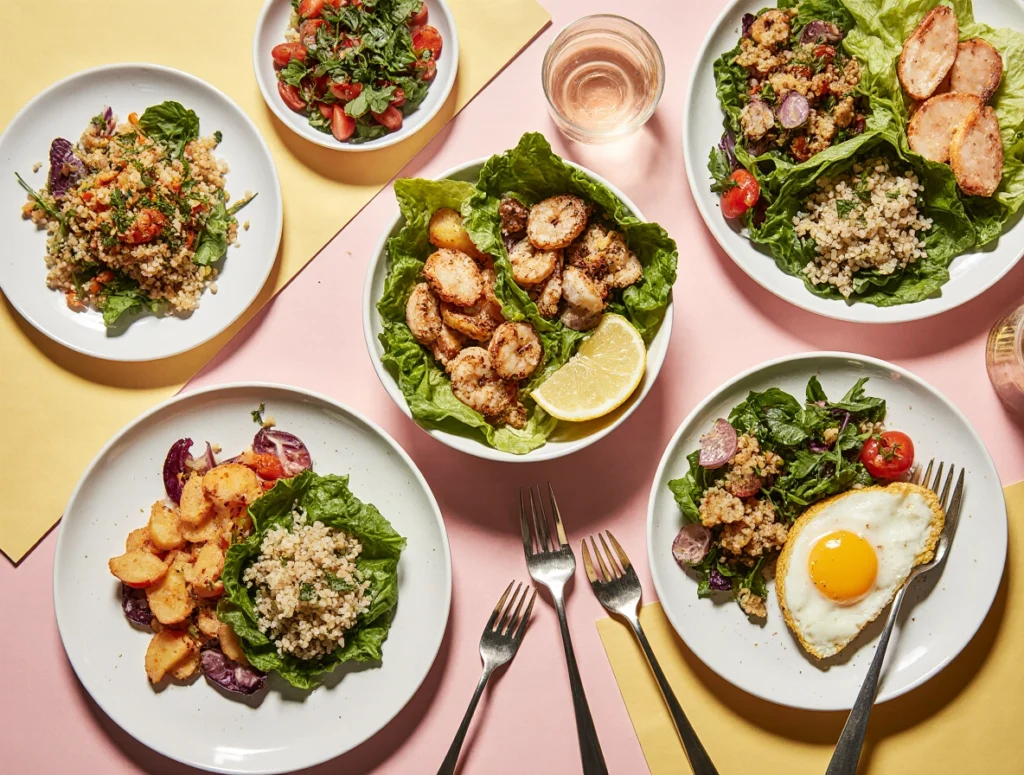
Below you’ll find delicious, filling meals with simple ingredient tables to help you stay on track with no guesswork.
Chicken-Based Low Calorie High Protein Meals
1. Grilled Lemon Garlic Chicken
A classic lean meal that fills you up without adding unnecessary calories.
Ingredients
| Ingredient | Amount |
|---|---|
| Chicken breast | 150g |
| Lemon juice | 1 tbsp |
| Garlic | 2 cloves |
| Olive oil | 1 tsp |
| Salt, pepper | To taste |
Why it Works
You get clean protein, zero-sugar flavor, and very low calories.
2. Chicken Veggie Stir-Fry
Loaded with protein and fiber while keeping calories light.
Ingredients
| Ingredient | Amount |
|---|---|
| Chicken breast | 150g |
| Broccoli | 1 cup |
| Bell peppers | ½ cup |
| Soy sauce (low sodium) | 1 tbsp |
| Sesame seeds | 1 tsp |
Why it Works
High in volume, satisfying crunch, and perfect for meal prep.
3. Air-Fryer Chicken Tenders
A healthy twist on a comfort food favorite.
Ingredients
| Ingredient | Amount |
|---|---|
| Chicken strips | 150g |
| Whole wheat breadcrumbs | ¼ cup |
| Paprika | 1 tsp |
| Garlic powder | 1 tsp |
| Salt | Pinch |
Seafood Low Calorie High Protein Meals
4. Garlic Shrimp Skillet
Quick, low-carb, high-protein.
Ingredients
| Ingredient | Amount |
|---|---|
| Shrimp | 150g |
| Garlic | 3 cloves |
| Lemon | ½ |
| Olive oil | 1 tsp |
5. Baked Salmon with Herbs
| Ingredient | Amount |
|---|---|
| Salmon fillet | 120–150g |
| Dill | 1 tbsp |
| Lemon | 1 tsp |
| Salt & pepper | To taste |
6. Tuna Salad (Greek Yogurt Base)
A lighter version of traditional tuna salad.
| Ingredient | Amount |
|---|---|
| Canned tuna | 1 can |
| Greek yogurt | 2 tbsp |
| Dijon mustard | 1 tsp |
| Celery | ¼ cup |
Vegetarian High Protein Low Calorie Meals
7. Tofu Veggie Bowl
| Ingredient | Amount |
|---|---|
| Firm tofu | 150g |
| Broccoli | 1 cup |
| Soy sauce | 1 tbsp |
| Ginger | 1 tsp |
8. Lentil Protein Soup
Warm, low calorie, extremely filling.
| Ingredient | Amount |
|---|---|
| Lentils | 1 cup cooked |
| Carrots | ½ cup |
| Onion | ½ cup |
| Vegetable broth | 1 cup |
9. High Protein Greek Yogurt Bowl
A simple, fast meal option.
| Ingredient | Amount |
|---|---|
| Greek yogurt | 1 cup |
| Berries | ½ cup |
| Chia seeds | 1 tsp |
Egg-Based Low Calorie High Protein Meals
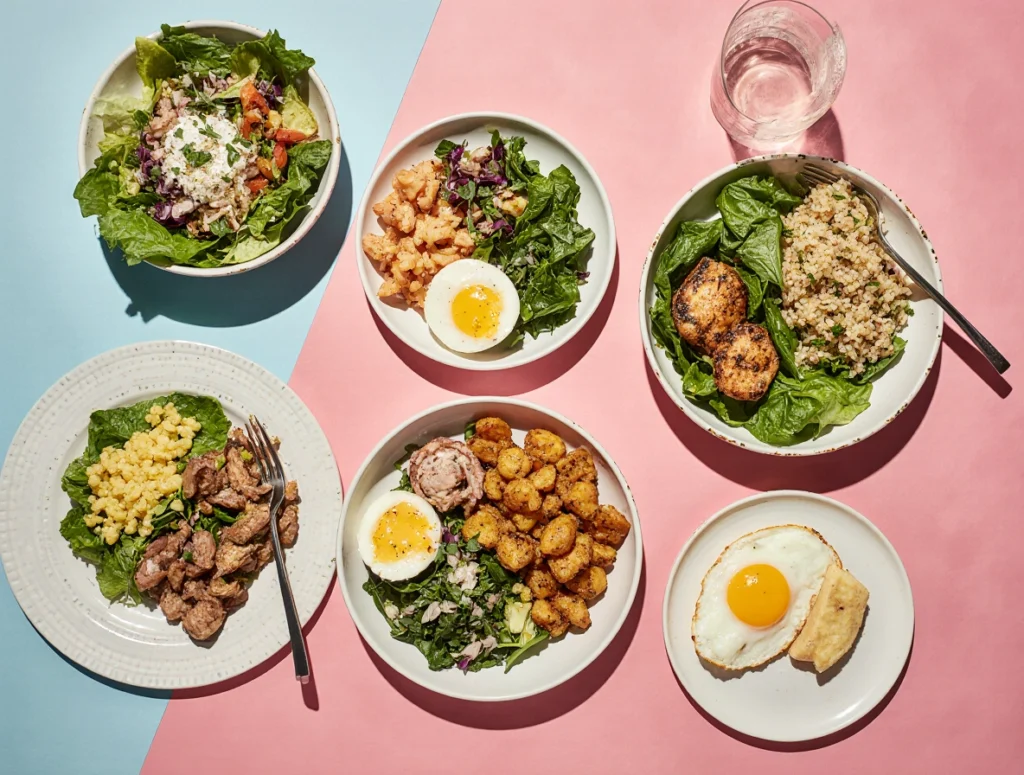
10. Egg White Scramble with Veggies
Fast, filling, and macro-friendly.
| Ingredient | Amount |
|---|---|
| Egg whites | 4 |
| Spinach | 1 cup |
| Tomatoes | ½ cup |
| Pepper | To taste |
11. Protein-Packed Omelet
| Ingredient | Amount |
|---|---|
| Whole eggs | 2 |
| Egg whites | 2 |
| Mushrooms | ½ cup |
| Onions | ¼ cup |
12. Hard-Boiled Egg Snack Plate
A grab-and-go protein boost.
| Ingredient | Amount |
|---|---|
| Hard-boiled eggs | 2 |
| Cucumber slices | ½ cup |
| Salt | Pinch |
Low Calorie High Protein Meal Prep Ideas
13. Turkey Meatball Bowls
| Ingredient | Amount |
|---|---|
| Ground turkey | 150g |
| Garlic | 1 tsp |
| Oats | 1 tbsp |
| Tomato sauce | 2 tbsp |
14. High Protein Burrito Bowl
| Ingredient | Amount |
|---|---|
| Chicken/turkey | 150g |
| Black beans | ¼ cup |
| Lettuce | 1 cup |
| Salsa | 2 tbsp |
15. Low Calorie Chili
| Ingredient | Amount |
|---|---|
| Lean beef/turkey | 150g |
| Kidney beans | ¼ cup |
| Tomatoes | 1 cup |
| Spices | To taste |
More Filling High Protein Meals Under 400 Calories
16. Cottage Cheese Bowl
| Ingredient | Amount |
|---|---|
| Cottage cheese | 1 cup |
| Pineapple | ¼ cup |
| Cinnamon | 1 pinch |
17. Protein Pancakes
| Ingredient | Amount |
|---|---|
| Oats | ½ cup |
| Egg whites | 3 |
| Protein powder | 1 scoop |
18. Low Calorie Chicken Soup
| Ingredient | Amount |
|---|---|
| Chicken breast | 100g |
| Broth | 1 cup |
| Carrots | ¼ cup |
| Celery | ¼ cup |
19. Tuna Protein Wrap
| Ingredient | Amount |
|---|---|
| Low-cal wrap | 1 |
| Tuna | 1 can |
| Lettuce | 1 cup |
| Greek yogurt | 1 tbsp |
20. High Protein Veggie Salad
| Ingredient | Amount |
|---|---|
| Chickpeas | ½ cup |
| Cucumber | ½ cup |
| Tomatoes | ½ cup |
| Lemon | 1 tbsp |
21. Turkey Lettuce Wraps
| Ingredient | Amount |
|---|---|
| Ground turkey | 150g |
| Lettuce leaves | Large pieces |
| Soy sauce | 1 tbsp |
22. Egg Fried “Rice” with Cauliflower
| Ingredient | Amount |
|---|---|
| Cauliflower rice | 1 cup |
| Egg whites | 3 |
| Peas | ¼ cup |
23. Baked Cod with Veggies
| Ingredient | Amount |
|---|---|
| Cod | 150g |
| Zucchini | ½ cup |
| Cherry tomatoes | ½ cup |
24. Spicy Chickpea Bowl
| Ingredient | Amount |
|---|---|
| Chickpeas | ½ cup |
| Spinach | 1 cup |
| Chili powder | 1 tsp |
25. Protein Smoothie (Low-Cal)
| Ingredient | Amount |
|---|---|
| Protein powder | 1 scoop |
| Almond milk | 1 cup |
| Frozen berries | ½ cup |
| Chia seeds | 1 tsp |
Tips to Stick to Low Calorie High Protein Eating
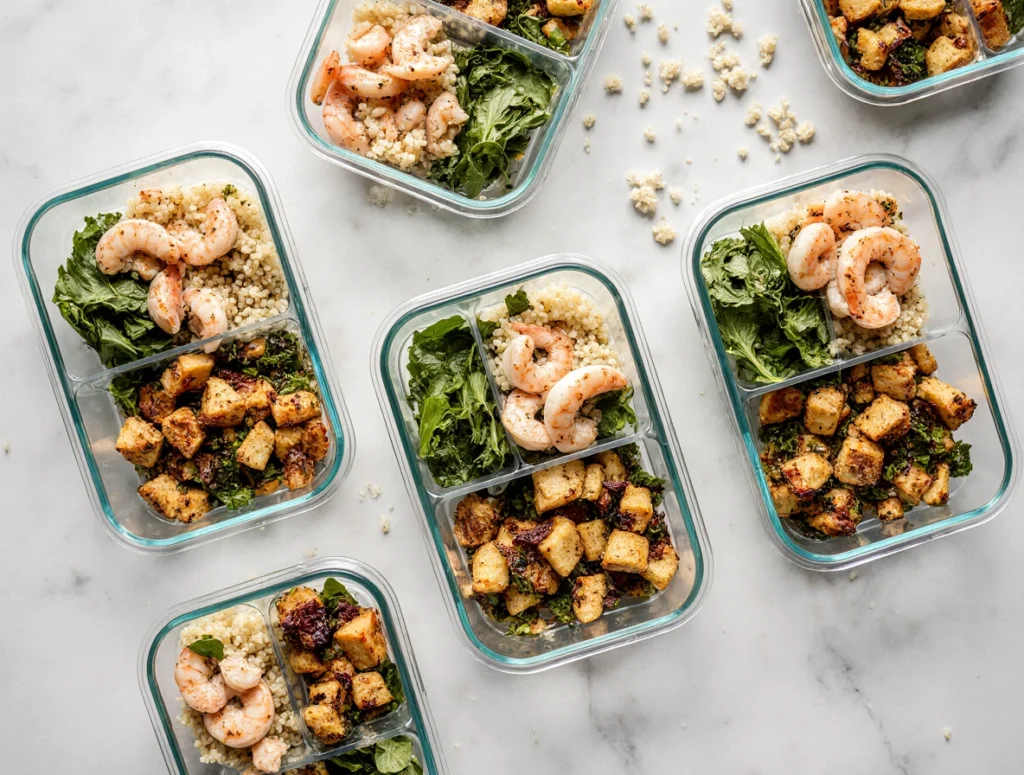
Here’s a structured, practical guide with tips to help you stick to low calorie high protein eating while staying satisfied, consistent, and motivated:
1. Prioritize Meal Prep
- Plan and prepare your meals in advance so you always have healthy options ready.
- Store cooked protein (chicken, turkey, tofu, fish) and pre-chopped veggies in airtight containers.
- Portion meals into containers for easy grab-and-go options, reducing the temptation to reach for high-calorie convenience foods.
2. Keep Protein Snacks Handy
- Prepare protein-rich snacks to prevent mid-day hunger.
- Examples include:
- Hard-boiled eggs
- Greek yogurt
- Cottage cheese
- Roasted chickpeas or edamame
- Having these on hand ensures you meet your protein goals without extra calories.
3. Track Your Intake (Without Obsessing)
- Use a food tracker or journal to monitor calories and protein intake.
- Tracking helps you see patterns, stay accountable, and adjust portions if needed.
- Focus on consistency over perfection—tracking just a few days per week can make a huge difference.
4. Use Flavor Enhancers Without Extra Calories
- Herbs, spices, citrus juice, vinegar, and low-sodium sauces boost flavor without adding calories.
- Examples: lemon on fish, garlic and paprika on chicken, fresh basil in salads.
- This keeps your meals exciting so you don’t get bored and reach for high-calorie foods.
5. Build Balanced Plates
- Follow the protein + vegetables + optional carb + small healthy fat structure.
- Ensure each meal provides high satiety to avoid snacking between meals.
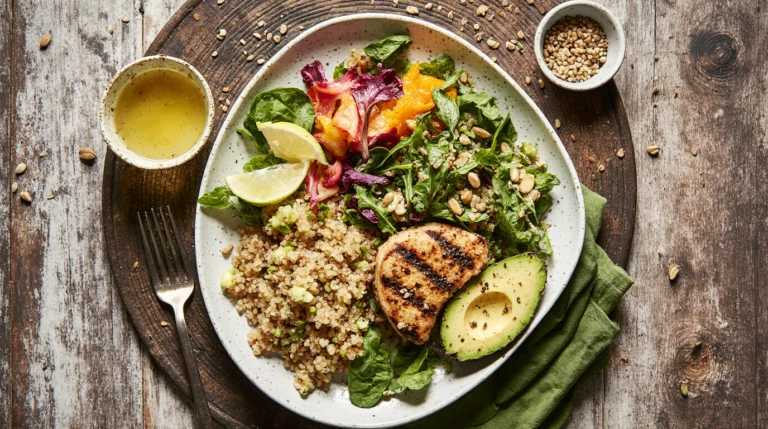
- Example: grilled chicken (protein) + roasted broccoli (veg) + quinoa (carb) + a few avocado slices (healthy fat).
6. Stay Hydrated
- Sometimes thirst is mistaken for hunger.
- Drinking water before and during meals can help you feel fuller with fewer calories.
- Herbal teas and sparkling water are also great options between meals.
7. Allow Flexibility
- You don’t have to be perfect.
- If you want a higher-calorie meal occasionally, balance it with lighter meals around it rather than feeling guilty.
- Flexibility makes it easier to stick with your eating plan long-term.
8. Set Realistic Goals
- Focus on protein intake and satiety, not just calories.
- Celebrate wins like more energy, reduced cravings, and consistent meal habits.
- Gradually, sticking to low calorie high protein meals will feel natural, not forced.
Common Mistakes to Avoid
Even when you’re committed to eating low calorie high protein meals, certain mistakes can slow progress, reduce satisfaction, or make your plan unsustainable. Knowing these pitfalls helps you stay consistent and get the best results.
1. Relying Only on Protein Shakes
- While convenient, relying solely on shakes doesn’t provide the fiber, vitamins, and minerals whole foods offer.
- Whole foods like lean meats, tofu, lentils, and vegetables keep you full longer and support overall health.
- Tip: Use shakes as a supplement, not a replacement for real meals.
2. Skipping Healthy Fats
- Cutting all fats may seem like a shortcut, but healthy fats help satiety and nutrient absorption.
- Include small portions of avocado, nuts, seeds, or olive oil.
- This prevents feeling deprived and reduces the risk of overeating later.
3. Ignoring Fiber
- Fiber from vegetables, legumes, and whole grains slows digestion and keeps you full.
- Mistake: eating protein-only meals without fibrous vegetables or beans.
- Fix: always pair your protein source with high-volume, low-calorie veggies.
4. Overeating “Low-Calorie” Foods
- Just because a food is low in calories doesn’t mean you can eat unlimited amounts.
- Even vegetables or lean proteins can add up if portions aren’t considered.
- Tip: measure portions when starting out and use meal prep containers to control serving sizes.
5. Cutting Carbs Too Aggressively
- Eliminating carbs completely can leave you low on energy and trigger cravings.
- Include small amounts of fiber-rich carbs like quinoa, sweet potatoes, or brown rice.
- Balance is key: protein + fiber + moderate carbs keeps you energized and satisfied.
6. Relying on Sauces and Dressings That Add Calories
- Hidden calories in creamy sauces, dressings, and marinades can sabotage your calorie goals.
- Tip: use low-calorie alternatives like Greek yogurt-based dressings, mustard, salsa, or lemon juice.
7. Not Tracking Protein Intake
- Meeting your protein target is critical for satiety and muscle retention.
- Mistake: assuming “enough” protein without tracking.
- Tip: aim for 20–30 grams of protein per meal and snacks with 10–15 grams to stay on track.
8. Lack of Meal Variety
- Eating the same meals repeatedly can lead to boredom and cravings.
- Tip: rotate proteins, vegetables, and flavorings weekly to keep meals exciting and sustainable.
Avoiding these mistakes ensures your low calorie high protein plan stays effective, satisfying, and enjoyable.
FAQ About Low Calorie High Protein Meals
What makes a meal “low calorie high protein”?
A meal qualifies when it keeps calories controlled while packing in enough protein (20–30g) to keep you full.
Can these meals really help you lose weight fast?
Yes, because they control hunger, reduce cravings, and help your body burn more calories.
How many of these meals should you eat per day?
Most people benefit from 2–3 high-protein meals daily with protein-rich snacks.
Are these meals good for meal prep?
Absolutely. Most can be stored for 3–4 days and reheat well.
Can you build muscle while eating low calorie high protein meals?
Yes. Protein supports muscle retention even in a calorie deficit.
Conclusion
Low calorie high protein meals aren’t just diet food—they’re practical, energizing, and delicious. When you fill your plate with meals like these, you naturally reduce cravings, stay satisfied longer, and make weight loss far more achievable. Start mixing these recipes into your week, and you’ll quickly notice a difference in your energy, your satiety, and your progress.
If you found this guide helpful, share it or bookmark it for future meal planning!