
The Ultimate Sockeye Salmon Recipe: How Long to Cook Sockeye Salmon for Perfect Tenderness Every Time
Table of Contents
There’s a moment in your kitchen journey when you realize cooking isn’t just about flavor—it’s about confidence. Maybe you’ve pulled a salmon from the oven before, hoping for something tender, only to find it dry or overdone. You probably wondered whether you should have baked it less, or used a different heat setting. That moment of doubt is normal, especially with sockeye salmon. Because it’s naturally lean and delicate, the right cooking time becomes the key to achieving perfect texture.
If you’ve ever wanted a method that eliminates the guesswork in how long to cook sockeye salmon, this guide gives you every detail you need. By the end, you’ll understand how heat affects this unique fish and feel more confident each time you cook it—on a tray, grill, pan, or air fryer. Consider this your blueprint for consistent tenderness every time.
Understanding Sockeye Salmon: What Makes It Different
When you start exploring premium seafood options, you quickly realize that not all salmon varieties behave, taste, or cook the same way. Sockeye salmon stands out in ways you notice immediately—its color, its flavor profile, its nutrient density, and even its harvesting methods set it apart from other species. Understanding these distinctions helps you choose the right fillet, prepare it with more confidence, and ultimately enjoy a richer dining experience.
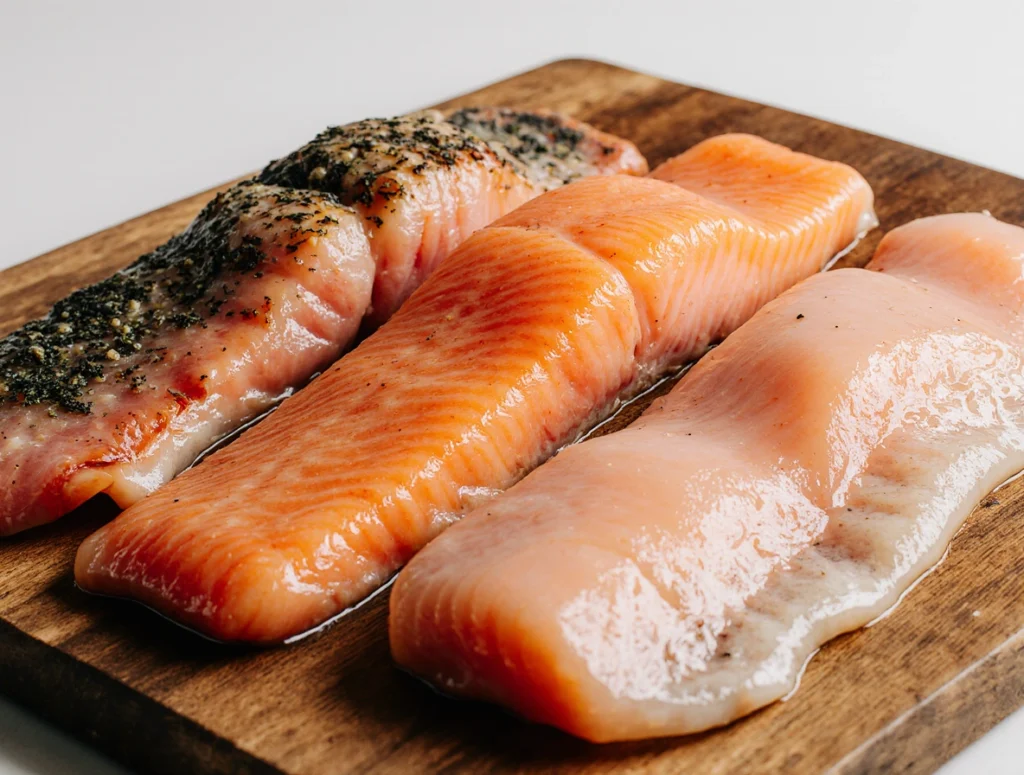
What instantly catches your eye is the deep, ruby-red flesh. Unlike other salmon whose color can shift depending on diet or farming conditions, sockeye salmon naturally carries this vibrant hue because it feeds heavily on krill and plankton. This diet loads the fish with astaxanthin, a potent antioxidant that contributes to both the vivid color and the firm texture you feel when cooking. You’re not dealing with a soft or mild fish here—sockeye salmon holds its shape, resists flaking too early, and delivers a flavor that feels bold from the first bite.
Another aspect that makes sockeye unique is its life cycle. Sockeye salmon spend most of their lives in cold, pristine waters, often in the North Pacific and parts of Alaska. Because they migrate such long distances, their muscles develop a lean, dense structure. This gives you a fillet that cooks quickly, absorbs seasonings well, and offers a satisfying mouthfeel that many seafood enthusiasts specifically seek out. You may notice that even simple preparations—salt, pepper, a drizzle of citrus—can bring out layers of ocean-fresh taste without requiring heavy sauces.
You also benefit from the nutritional profile that sockeye salmon naturally carries. Compared to other salmon varieties, it tends to have higher concentrations of omega-3 fatty acids, essential for supporting cardiovascular health, cognitive function, and a balanced inflammatory response. When you choose sockeye, you’re tapping into a protein source that fuels you with clean energy, supports muscle recovery, and fits seamlessly into wellness-focused meal plans.

Another important difference lies in sustainability. Sockeye salmon is commonly sourced from well-managed wild fisheries rather than intensive farming operations. When you select wild-caught sockeye, you’re supporting environmentally responsible practices, healthier marine ecosystems, and fisheries that prioritize long-term resource stability. It gives you peace of mind because you know you’re choosing a cleaner, more traceable product.
From a culinary standpoint, sockeye salmon performs differently depending on the technique you use. Its firm texture makes it exceptional for grilling and searing, especially when you want crisp edges and a moist interior. You can roast it, smoke it, or flake it into salads without worrying about the fish falling apart. Because the taste is naturally robust, sockeye holds its presence even in recipes that include bold spices, herb blends, or citrus marinades. If you prefer a strong salmon flavor rather than a subtle one, this species consistently delivers.
You also notice that portion sizes tend to be slightly smaller and thinner compared to other salmon species, which means quicker cook times and more control when preparing meals on busy days. If you’ve ever overcooked salmon by accident, you’ll appreciate how responsive sockeye fillets are when exposed to heat—just a few minutes can bring them to perfect doneness.
When you understand these characteristics, you become more strategic in your seafood choices. You gain a clearer sense of when sockeye salmon is the right match for your recipe and what seasonings pair best with its natural profile. You recognize the value it brings to your diet, your culinary results, and even your purchasing decisions.
Why Cooking Time Matters for Sockeye Salmon
Because sockeye is leaner than other salmon varieties, it cooks faster and dries out more easily. That means:
- Lean flesh requires precise timing
- Overcooking happens quickly
- Thinner fillets cook faster
- Moisture retention depends on technique
The USDA suggests an internal temperature of 145°F (62.7°C), but most chefs remove sockeye at 125–130°F for a tender, luxurious texture.
How Thickness, Temperature, and Method Affect Doneness
The thickness of your fillet directly shapes cook time—sometimes by several minutes.
Key variables:
- Thickness of fillet
- Cooking temperature
- Whether it’s skin-on or skinless
- Marinades or moisture barriers
- Type of cooking surface
Understanding these factors helps you avoid dryness and ensures consistent results.
How Long to Cook Sockeye Salmon: Complete Method Guide
Below you’ll find the most reliable timing instructions for every major cooking method.
Baked Sockeye Salmon Recipe – Exact Timing Guide
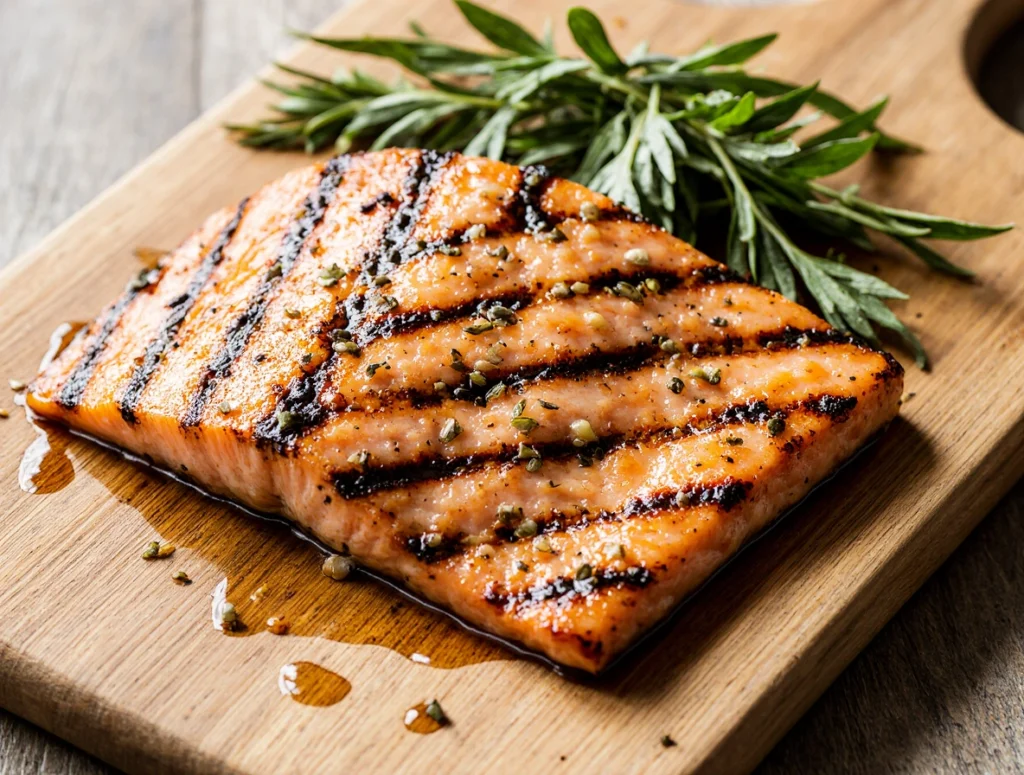
Baking sockeye salmon is one of the simplest and most reliable ways to achieve tender, flavorful results. When you know exactly how long to cook it and the ideal temperature, you can remove the guesswork and consistently serve salmon that’s moist, flaky, and perfectly cooked. Because sockeye salmon is naturally lean, precise timing is essential—you want to avoid overcooking while still ensuring food safety.
Optimal Baking Conditions for Perfect Tenderness
- Temperature: 375°F (190°C)
- Cook Time: 12–15 minutes for a ¾-inch fillet
- Internal Temperature: 125–130°F for tender results, 145°F for fully cooked according to USDA standards
When you follow these guidelines, you’ll notice that the salmon flakes effortlessly with a fork while maintaining a vibrant, juicy interior. Using a thermometer can be particularly helpful if you want to be exact; even a one- or two-degree difference can affect texture.
Step-by-Step Instructions
- Preheat your oven to 375°F (190°C).
- Line a baking sheet with parchment paper or foil to prevent sticking and simplify cleanup.
- Pat your salmon fillets dry with a paper towel to remove excess moisture—this helps the seasonings stick and avoids steaming the fish.
- Lightly brush the fillets with olive oil or melted butter. This creates a protective layer that preserves moisture during baking.
- Season with salt, pepper, and any herbs you prefer. Garlic, dill, parsley, or thyme pair beautifully with sockeye salmon.
- Arrange lemon slices across the top of the fillets to add brightness and keep the fish from drying out.
- Bake in the oven for 12–15 minutes for fillets about ¾-inch thick. Adjust time slightly for thicker or thinner pieces.
- Check for doneness by flaking gently with a fork or using a thermometer. Remove the salmon when it reaches your preferred internal temperature.
- Let the salmon rest for 2–3 minutes before serving; this allows the juices to redistribute for maximum tenderness.
Here’s the expanded recipe card:
Full Baked Sockeye Salmon Recipe Card
Ingredients Table
| Ingredient | Quantity | Notes |
|---|---|---|
| Sockeye salmon fillets | 1–1.5 lbs | Skin-on recommended |
| Lemon slices | 4–6 | Adds moisture and brightness |
| Olive oil or melted butter | 1–2 tbsp | Prevents dryness |
| Garlic | 2 cloves, minced | Fresh aroma |
| Dried herbs | 1 tsp | Dill, parsley, or thyme |
| Sea salt | To taste | Enhances flavor |
| Black pepper | To taste | Balances acidity |
Tips to Ensure Perfect Baked Salmon Every Time

- Do not overbake; check a minute early if your fillets are thinner than ¾-inch.
- Let the fish rest after removing from the oven to lock in moisture.
- For extra flavor, drizzle a small amount of fresh lemon juice over the salmon before serving.
- If you prefer a slightly caramelized top, you can broil for the last 1–2 minutes of cooking—but watch carefully to avoid burning.
By mastering these precise timing and temperature guidelines, you ensure that every baked sockeye salmon you cook is tender, flavorful, and visually appealing—perfect for weeknight dinners or special occasions.
How Long to Cook Sockeye Salmon in a Pan (Pan-Seared Method)
Pan-searing delivers a crisp skin and juicy flesh.
Timing:
- 4–6 minutes skin-side down
- 2 minutes skin-side up
- Medium-high heat
Thicker fillets range from 8–9 minutes total.
Grilled Sockeye Salmon – Time and Temperature
Grilling infuses smoky flavor but requires attention due to high heat.
Timing:
- 6–8 minutes total
- Medium-high grill temperature
Tips:
- Oil grill grates well
- Keep skin on
- Foil packets help beginners
Air Fryer Sockeye Salmon Cooking Time
Air fryers offer fast, reliable results.
Timing:
- Temperature: 400°F (204°C)
- Time: 7–9 minutes
Expect crisp edges and a tender interior.
Frozen Sockeye Salmon—Cooking Without Thawing
You can cook sockeye salmon straight from frozen.

Timing:
- Baked: 20–22 minutes at 400°F
- Air Fryer: 12–14 minutes
Important tip: Rinse off the ice glaze and pat dry before seasoning.
Visual Doneness Guide: How to Know Sockeye Salmon Is Perfectly Cooked
Even with exact timing, visual cues help you achieve perfection.
Signs of Perfect Tenderness
- Flakes easily but stays intact
- Center retains slight translucency
- Flesh appears glossy, not chalky
- Skin releases naturally from pan
Internal Temperature Targets
- 125–130°F — Tender and moist
- 145°F — USDA fully cooked
- 115–120°F — Medium-rare, chef preference
Baked Red Salmon (Sockeye) Recipe for Fail-Proof Results
Because red salmon and sockeye refer to the same fish, this method gives you predictable results.

Why This Method Works
- Even oven heat
- Minimal moisture loss
- Excellent for meal prep
- Consistent timing
Step-by-Step Instructions
- Preheat oven to 375°F.
- Line tray with parchment or foil.
- Coat salmon with oil or butter.
- Season lightly.
- Bake for 12–15 minutes (fresh), 20–22 minutes (frozen).
- Rest before serving.
Flavor Variations
- Lemon-garlic butter
- Maple-soy glaze
- Honey mustard
- Cajun blackened seasoning
- Dill + yogurt dressing
Expert Tips to Keep Sockeye Salmon Always Tender

Key Tips
- Avoid cooking beyond recommended time.
- Remove salmon early; residual heat completes cooking.
- Use marinades or oil to protect moisture.
- Keep skin on for insulation.
- Rest after cooking to retain juices.
- Use timers to prevent overcooking.
Frequently Asked Questions
How long to cook sockeye salmon for best tenderness?
Typically 12–15 minutes in the oven at 375°F, 6–8 minutes on the grill, or 7–9 minutes in an air fryer.
Is sockeye salmon better baked or grilled?
Baking offers consistent tenderness; grilling offers smoky flavor but requires more attention.
What temperature should sockeye salmon reach?
125–130°F for tenderness or 145°F per USDA guidelines.
Does baked red salmon cook faster than other salmon types?
Yes—sockeye is leaner and more prone to overcooking.
Is sockeye salmon easy to overcook?
Yes. Its low fat content makes timing crucial.
Conclusion
Now that you understand how long to cook sockeye salmon across every major method, you have a clear path to consistent, tender results. Whether you prefer baking, grilling, searing, or air frying, mastering timing is the foundation of great flavor and perfect texture.
If you’re ready to level up even further, experiment with marinades, seasonings, or cooking variations using this timing guide as your baseline. Save this guide for your next meal and enjoy salmon with confidence every time.