
7 Easy Upgrades That Make Venison Meatloaf Taste Incredible
Table of Contents
Cooking venison meatloaf can feel like a gamble. You put in the effort, follow a recipe, and still end up with something dry, crumbly, or overly gamey. If that has happened to you, you are not alone—and more importantly, you are not doing anything wrong.
Venison behaves differently from beef. It is lean, bold in flavor, and unforgiving if treated like standard grocery-store meat. The good news is that you do not need fancy ingredients or professional skills to fix that. With a few smart upgrades, you can turn venison meatloaf into something moist, flavorful, and genuinely satisfying.
In this guide, you will learn seven simple upgrades that dramatically improve the taste, texture, and consistency of venison meatloaf—without complicating your cooking process. These adjustments work whether you are new to wild game or already cook venison regularly.
Why Venison Meatloaf Often Falls Short (And How You Can Fix It)
Before upgrading your recipe, it helps to understand why venison meatloaf so often disappoints.
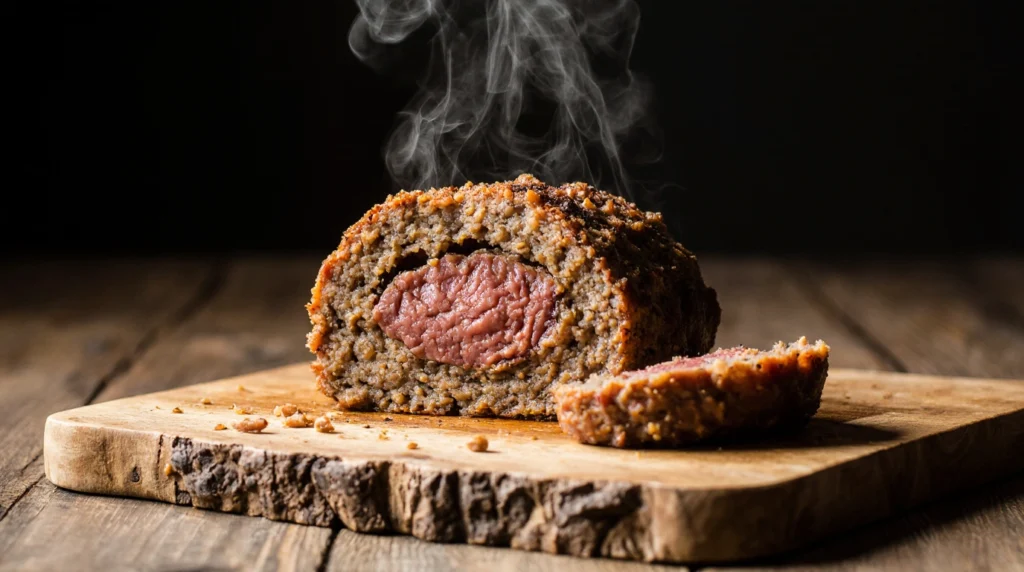
Venison is naturally very low in fat, especially when compared to beef. Fat plays a major role in moisture, tenderness, and flavor distribution. When it is missing, meat dries out quickly and becomes dense.
Other common problems include:
- Cooking venison meatloaf at temperatures meant for beef
- Using dry binders that absorb moisture instead of holding it
- Overmixing the meat, which tightens the proteins
- Skipping resting time after baking
Once you adjust for these differences, venison meatloaf becomes much easier to master.
Upgrade #1: Add the Right Fat for Juicy Venison
Fat is not optional when cooking venison meatloaf—it is essential.
Best Fats to Use With Venison
You want fats that enhance flavor without overpowering the meat:
- Pork fat or ground pork – the most reliable option
- Bacon (finely chopped) – adds moisture and depth
- Butter or olive oil – useful in small amounts
Ideal Fat-to-Meat Ratio
For best results, aim for:
- 80–85% venison
- 15–20% added fat
This ratio keeps the meatloaf moist while preserving the natural venison flavor.
Adding fat:
- Prevents dryness
- Improves mouthfeel
- Helps flavors spread evenly
Skipping this step is the fastest way to ruin venison meatloaf.
Upgrade #2: Use a Better Binder Than Plain Breadcrumbs
Breadcrumbs alone often make venison meatloaf dry and crumbly. The binder should retain moisture, not steal it.

Better Binder Options for Venison Meatloaf
- Breadcrumbs soaked in milk
- Panko mixed with egg
- Rolled oats (great for texture)
- Crushed crackers for added flavor
Why Binders Matter More for Deer Meat
Venison lacks internal fat, so binders play a larger role in structure and moisture. A good binder:
- Holds juices inside
- Prevents crumbling
- Creates a tender slice
Always hydrate your binder before mixing it into the meat.
Upgrade #3: Build Flavor in Layers Instead of Dumping Seasonings
Venison has a bold taste, but that does not mean you should overpower it.
Aromatics That Improve Venison
- Finely diced onion
- Garlic (fresh, not powdered)
- Shallots for mild sweetness
Cook aromatics lightly before mixing them in. This removes harshness and adds depth.
Seasonings That Complement Venison
- Worcestershire sauce
- Smoked paprika
- Black pepper
- Thyme or rosemary
Avoid heavy sweetness or overpowering spices. The goal is balance, not disguise.
Upgrade #4: Add a Touch of Acid to Brighten the Flavor
Acid is one of the most overlooked upgrades in venison meatloaf.

Best Acidic Ingredients to Use
- Ketchup or tomato paste
- Apple cider vinegar
- Dijon or yellow mustard
Why Acid Matters
Acid:
- Cuts richness from added fat
- Balances gamey notes
- Makes flavors feel brighter
You do not need much—just enough to sharpen the overall taste.
Upgrade #5: Mix Gently to Keep Venison Tender
Overmixing is a silent killer of good meatloaf.
Why Overmixing Ruins Texture
When you mix too aggressively:
- Proteins tighten
- Meat becomes dense
- Moisture escapes during cooking
Proper Mixing Technique
- Combine ingredients with your hands
- Stop as soon as everything is evenly distributed
- Do not knead or press
Light handling makes a noticeable difference in tenderness.
Upgrade #6: Cook Venison Meatloaf at the Right Temperature
this meatloaf recipe benefits from a gentler cooking approach.

Ideal Oven Temperature
- 325°F to 350°F (165–175°C)
Lower heat:
- Reduces moisture loss
- Prevents cracking
- Produces even cooking
How Long to Cook this meatloaf recipe
- 1½–2 lb loaf: 60–75 minutes
- Internal temperature target: 160°F (71°C)
Use a thermometer. Guessing leads to dryness.
Upgrade #7: Let This Meatloaf Recipe Rest Before Slicing
Resting is not optional—it is critical.
What Happens If You Slice Too Soon
- Juices run out
- Texture falls apart
- Flavor feels flat
Proper Resting Time
- Let the meatloaf rest 10–15 minutes
- Slice only after juices redistribute
This single step improves texture more than most ingredients.
Venison Meatloaf Ingredients Table (Base Recipe)

| Ingredient | Quantity | Purpose |
|---|---|---|
| Ground venison | 1½ lb | Main protein |
| Ground pork or bacon | ¼ lb | Moisture |
| Breadcrumbs (soaked) | ¾ cup | Binding |
| Egg | 1 large | Structure |
| Onion (diced) | 1 small | Flavor |
| Garlic | 2 cloves | Aroma |
| Worcestershire sauce | 1 tbsp | Umami |
| Ketchup | 2 tbsp | Acid + sweetness |
| Salt & pepper | To taste | Balance |
Common Mistakes That Ruin This Meatloaf Recipe
Avoid these frequent issues:
- Treating venison like beef
- Skipping added fat
- Overmixing the meat
- Cooking too hot
- Cutting before resting
Fixing even one of these improves results immediately.
Pro Tips to Make Your Venison Meatloaf Even Better
Once you understand the core upgrades, a few extra adjustments can elevate your meatloaf recipe from good to consistently excellent. These practical tips come from real-world cooking experience and help you avoid small mistakes that quietly affect the final result.

Tip 1: Use a Loaf Pan Only If You Drain Excess Fat
A loaf pan can help shape venison meat loaf, but it can also trap grease.
- If you use a pan, place the loaf on a rack inside it
- Drain excess fat halfway through cooking
- For a firmer crust, bake free-form on a lined sheet pan
This keeps the meatloaf moist without turning it greasy.
Tip 2: Let Ingredients Reach Room Temperature Before Mixing
Cold ingredients do not blend evenly.
- Take eggs, soaked breadcrumbs, and meat out 15–20 minutes early
- Even temperatures help the mixture bind properly
- This reduces overmixing and improves texture
Your venison meatloaf will cook more evenly as a result.
Tip 3: Test Flavor Before Baking
Because venison is lean, seasoning errors show up fast.
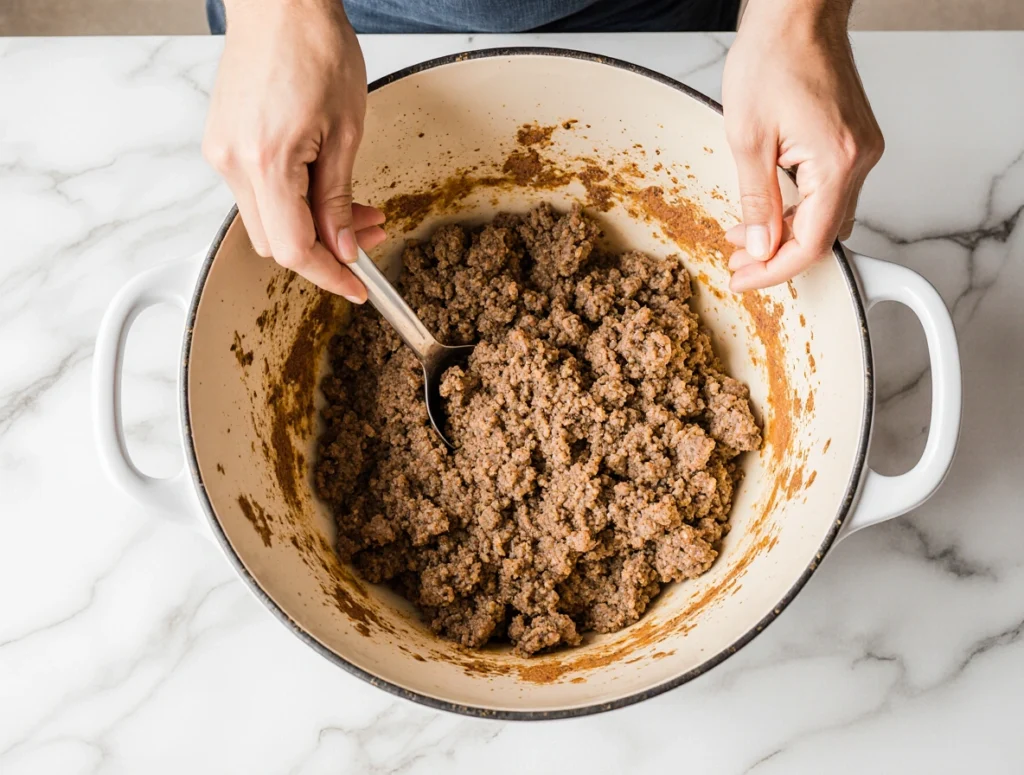
- Cook a small spoonful of the mixture in a pan
- Taste and adjust salt or seasoning
- Then shape and bake the full loaf
This simple step prevents bland venison meatloaf.
Tip 4: Avoid Sweet Glazes That Overpower Venison
Venison pairs better with savory or tangy flavors.
- Use ketchup mixed with mustard or vinegar
- Skip heavy brown sugar glazes
- Keep sweetness subtle
This preserves the natural character of the meat.
Tip 5: Slice With a Sharp Knife Using Gentle Pressure
Even perfectly cooked venison meatloaf can crumble if sliced incorrectly.
- Use a long, sharp knife
- Slice straight down—do not saw back and forth
- Clean the blade between cuts
Clean slices improve presentation and texture.
Tip 6: Store and Reheat Venison Meatloaf the Right Way
Improper reheating dries it out.
- Store slices tightly wrapped
- Reheat covered, at low heat
- Add a spoon of broth or water before reheating
This keeps leftovers just as enjoyable as the first serving.
Frequently Asked Questions About Venison Meatloaf
How do you keep venison meatloaf from drying out?
You keep venison meatloaf moist by adding fat, using hydrated binders, cooking at lower temperatures, and resting it before slicing.
What is the best fat to add to venison meatloaf?
Ground pork or finely chopped bacon works best because it adds moisture without overpowering the venison flavor.
How long should you cook venison meatloaf?
Most venison meatloaf cooks in 60–75 minutes at 325–350°F, until it reaches an internal temperature of 160°F.
Can venison meatloaf be made ahead of time?
Yes. You can assemble it up to 24 hours in advance and refrigerate it, or freeze it uncooked for later use.
Conclusion: Make Venison Meatloaf Something You Look Forward to Cooking
Venison meatloaf does not need to be dry, tough, or disappointing. When you respect the nature of the meat and apply a few simple upgrades, the results change completely.
You now know how to:
- Add moisture the right way
- Build balanced flavor
- Cook venison meatloaf without fear
Use these techniques once, and you will never go back to guessing. If this guide helped you, try one upgrade at a time and notice the difference yourself.
Now it’s your turn—apply these upgrades, share your results, and make venison meatloaf a recipe you are proud to serve.