What Is an Irish Breakfast? A Complete Guide to Its Ingredients & What Makes It Unique
Table of Contents
When you picture the perfect morning meal, there’s a good chance your mind jumps to something warm, filling, and comforting. Maybe it’s the sound of something sizzling on the stove, or the first sip of strong tea that wakes up your senses. If you’ve ever wished for a morning experience that feels both rustic and rich, then you’re about to discover why the Irish breakfast has become one of the most celebrated meals across the world.
It’s more than just food on a plate—it’s a small moment of Irish tradition that you can bring into your own kitchen.
An Irish breakfast gives you a little taste of countryside living, the kind where mornings feel slow, hearty meals bring people together, and flavors feel simple yet full. As you read through this guide, you’ll learn not just what goes on the plate, but why each ingredient matters and what makes the full Irish breakfast so deeply unique.
The Heart of an Irish Breakfast
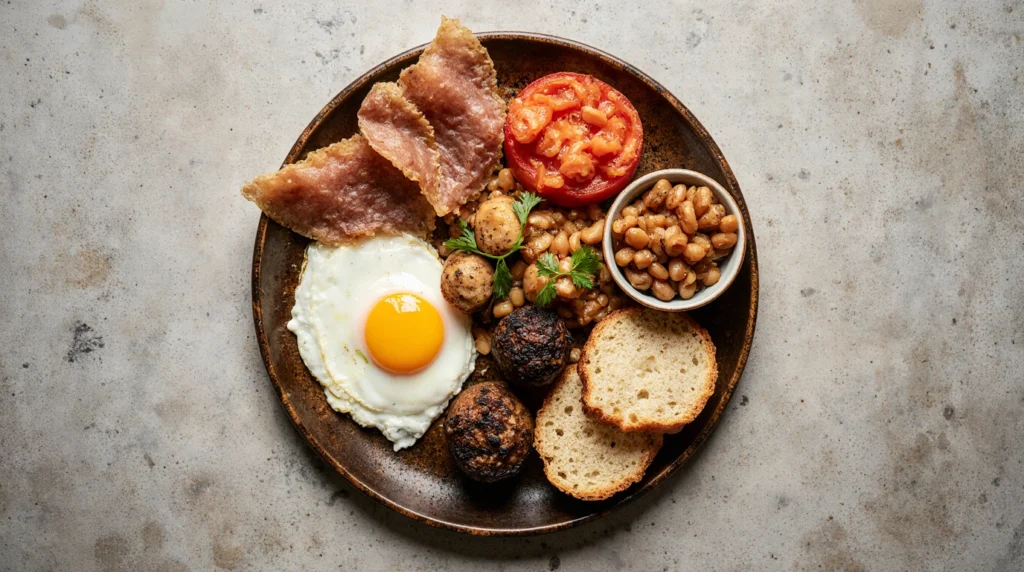
Before you dive into the specific ingredients, it helps to understand what an Irish breakfast truly represents. You’re not just dealing with another breakfast recipe here—you’re stepping into a piece of Irish culture.
For generations, the full Irish breakfast was the fuel for farm workers who needed something strong to carry them through early mornings and long days. This wasn’t a snack. It wasn’t something light and decorative. It was a true morning feast—one that told your body, “You’re ready for the day.”
Today, you can walk into an Irish pub or a cozy guesthouse and find that same dish served with pride. And whether you’re Irish or not, you’ll understand immediately why it has stayed so beloved: it’s hearty, it’s flavorful, and it feels like a hug on a plate.
Classic Irish Breakfast Ingredients
A proper Irish breakfast offers variety, balance, and a surprising amount of comfort. You get crispy, savory, juicy, smoky, and buttery all at once.
Below is the full overview of what typically makes up the classic version:
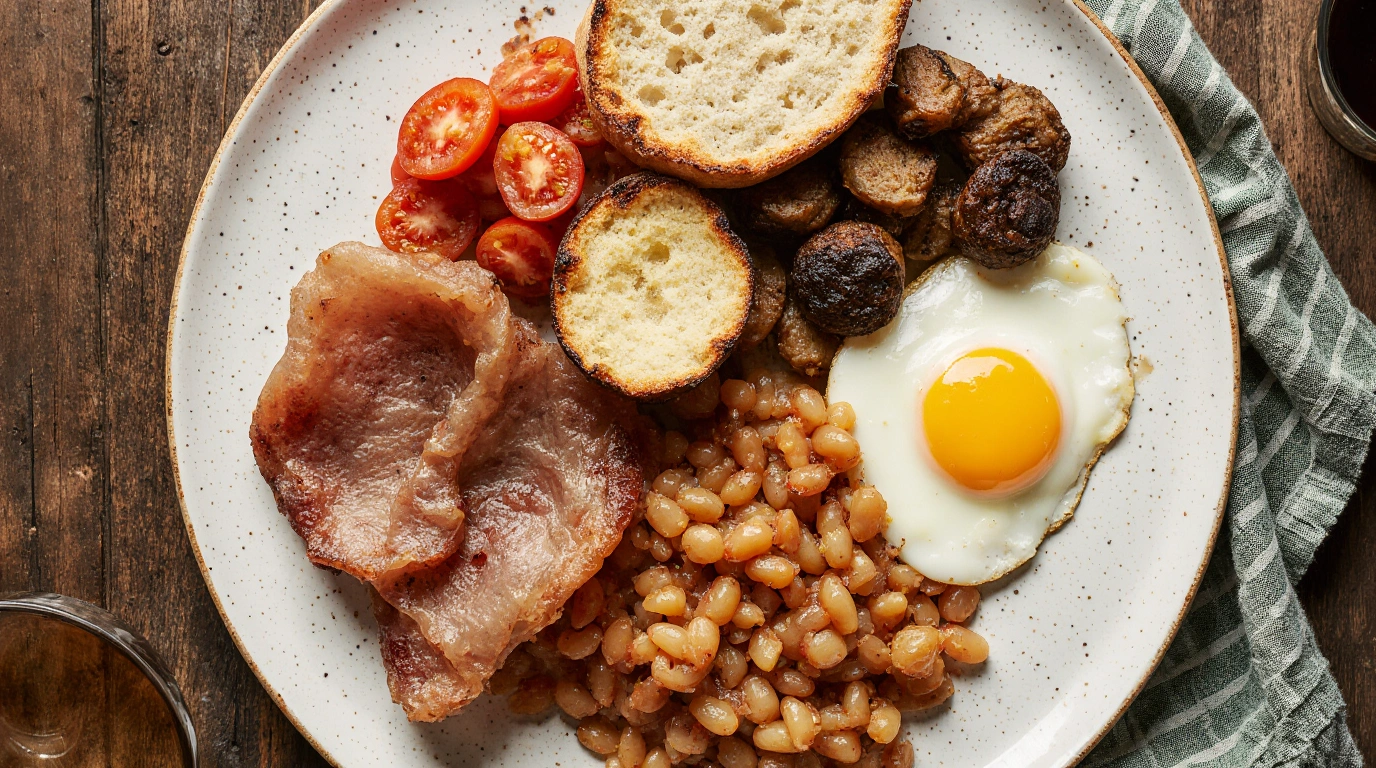
Traditional Components of a Full Irish Breakfast
| Ingredient | Description | Why It Matters |
|---|---|---|
| Irish bacon (rashers) | Thicker-cut, meaty slices | Sets the signature flavor |
| Irish sausages | Mild, tender, and juicy | Adds fullness and depth |
| Black pudding | Blood sausage with spices | Classic and historic |
| White pudding | Oats, pork, spices | Creamy and uniquely Irish |
| Fried eggs | Usually sunny-side up | Adds richness and color |
| Tomatoes | Pan-seared or grilled | Brings acidity and balance |
| Mushrooms | Cooked in butter | Adds warmth and depth |
| Beans | Lightly sweet tomato beans | Sweetens and softens the plate |
| Bread | Soda bread or toast | Essential for dipping and pairing |
Each item plays its own role, adding a unique flavor and texture.
What Makes an Irish Breakfast Unique?
When you look at an Irish breakfast closely, you start noticing details that set it apart from any other morning meal. You’re not just dealing with a collection of ingredients—you’re experiencing a style of cooking, a rhythm of flavors, and a sense of tradition that has held strong for generations. Here’s what gives the Irish breakfast its unmistakable identity and why it feels different the moment it hits your plate.
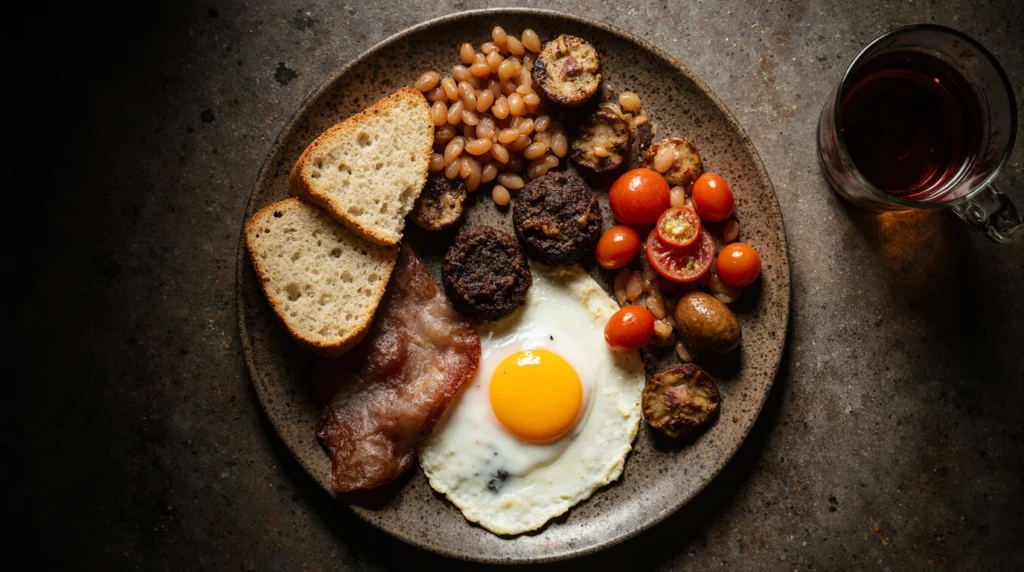
1. The Signature Irish Meats (Rashers, Puddings, and Sausages)
One of the biggest reasons the Irish breakfast stands out is the meat selection. You won’t find this exact combination anywhere else.
Rashers vs. Regular Bacon
You’ll notice immediately that Irish rashers don’t look—or taste—like the thin, streaky bacon you might be used to. Rashers are:
- Thicker
- Leaner
- Meatier in flavor
- Less salty
- More filling
This gives it a deeper, more satisfying base flavor.
The Famous Puddings: Black & White
The inclusion of both black pudding and white pudding is uniquely Irish.
- Black pudding brings a peppery, rich taste.
- White pudding offers a creamier, milder balance.
No other breakfast in the world uses these two together in such a traditional way.
Irish Sausages
Irish sausages tend to be:
- Tender
- Mildly seasoned
- Juicy
- More bread-rich (giving them a softer bite)
- irish breakfast meats
- irish rashers vs bacon
- black pudding vs white pudding
2. The “All-in-One-Pan” Cooking Method
Another reason the Irish breakfast tastes so distinct is the cooking approach. Much of the meal is made in the same pan. This gives you:
- Layered flavors
- Rich aromas
- A slight smoky depth
- A mix of textures that feel warm and rustic
The method itself is a ranking opportunity for keywords such as:
It also supports user intent for cooking tutorials and step-by-step guides.
3. A Balanced Mix of Heavy and Light Ingredients
While the plate looks hearty at first glance, the Irish breakfast has a surprisingly intentional balance. You get:
- Protein from meats and eggs
- Acidity from tomatoes
- Earthiness from mushrooms
- Sweetness from beans
- Comfort from soda bread
This balance is what keeps the meal enjoyable instead of overwhelming. It answers search intent for:
- what does an irish breakfast include
- irish breakfast ingredients explained
4. The Cultural Meaning Behind the Meal
You might think the uniqueness comes only from the food, but a huge part of it comes from what the breakfast represents in Irish life.
It symbolizes:
- Hospitality (you serve it to welcome someone)
- Family traditions passed down through generations
- The country’s rural, hardworking heritage
- A slow, comforting start to the day
- irish breakfast history
- why is irish breakfast important
- origin of full irish breakfast
These semantic keywords help Google understand the depth and relevance of your article.
5. Regional Identity and Variations
Ireland isn’t a one-size-fits-all country, and neither is its breakfast. Each region adds something unique:
- Ulster fry includes soda farls and potato bread
- Cork has stronger-flavored local meats
- Dublin tends to serve a slightly lighter version
These variations help you rank for terms such as:
- ulster fry vs irish breakfast
- irish breakfast variations
- regional irish breakfast differences
Search engines prioritize pages that show authority and detail, and this section delivers both.
6. The Use of Local, Traditional Irish Products
Much of what you taste comes from locally inspired ingredients that reflect the land itself:
- Irish dairy butter
- Traditional soda bread
- Local pork varieties
- Grass-fed meat richness
These details allow you to naturally include additional keyword variations like:
- authentic irish breakfast ingredients
- what makes irish breakfast authentic
- irish breakfast foods explained
Full Irish Breakfast vs. Full English Breakfast
You might already be familiar with the full English, and at first glance, they can look similar. But when you look closely, you’ll notice some key distinctions.
Similarities
- Both include sausages
- Both feature fried eggs, mushrooms, and tomatoes
- Both are warm, hearty, and cooked in a shared pan
Differences
Here’s a simple comparison:
| Feature | Full Irish Breakfast | Full English Breakfast |
|---|---|---|
| Puddings | Black and white | Usually only black |
| Bread | Soda bread or toast | Fried bread or toast |
| Bacon | Thicker rashers | Thinner, streaky bacon |
| Potatoes | Sometimes includes boxty | Often includes hash browns |
In short, the Irish version leans more rustic and traditional, while the English version is a bit more standardized.
How to Make a Classic Irish Breakfast
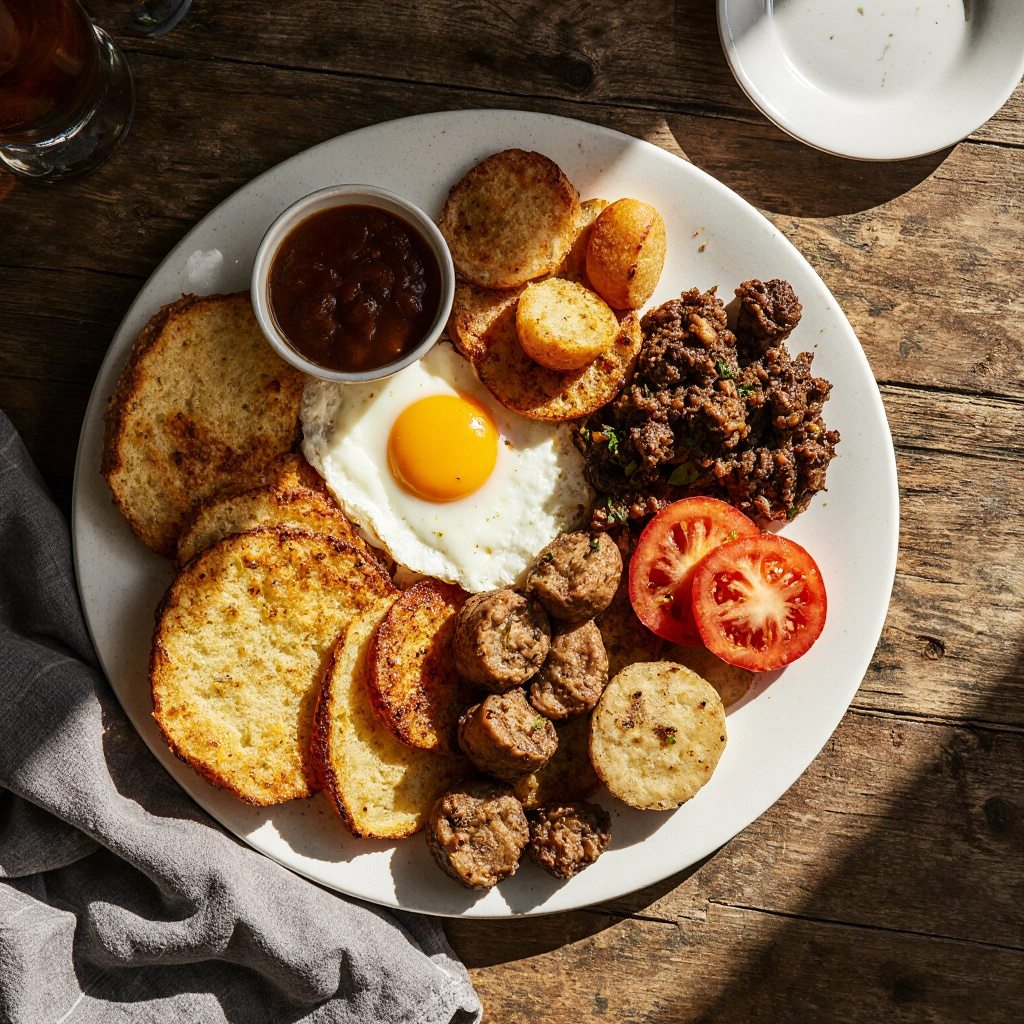
Now that you know what makes the meal special, you can start cooking it yourself. And the best part? It’s easier than it looks. Once everything is prepped, the meal comes together quickly.
Ingredients Overview
| Category | Items |
|---|---|
| Proteins | Rashers, sausages, black pudding, white pudding |
| Veggies & Sides | Tomatoes, mushrooms, baked beans |
| Staples | Eggs, soda bread or toast |
| Fats | Butter or oil |
Step-by-Step Instructions
1. Prepare Your Ingredients
Before you start heating the pan, make sure everything is ready:
- Slice tomatoes
- Clean mushrooms
- Set out beans
- Have eggs cracked and ready
This sets you up for a smooth cooking flow.
2. Start With the Meats
You’ll want to cook the sausages and rashers first because they take the longest.
- Cook sausages slowly so they stay tender
- Add rashers next so they crisp without burning
- Finish with the black and white pudding slices
3. Add the Vegetables
Once the pan is coated with flavor, mushrooms and tomatoes absorb it beautifully.
- Sauté mushrooms with butter
- Sear tomatoes until lightly browned
4. Cook the Eggs
Sunny-side up is the classic approach, but feel free to choose your style.
- Keep the yolk runny—it tastes incredible with soda bread
5. Plate the Irish Breakfast
There’s no single “right way,” but most Irish plates follow this order:
- Meats first
- Eggs centered
- Veggies on the side
- Bread served warm
Regional Variations
Not all Irish breakfasts look exactly the same. Depending on where you are in the country, you might find a few twists.
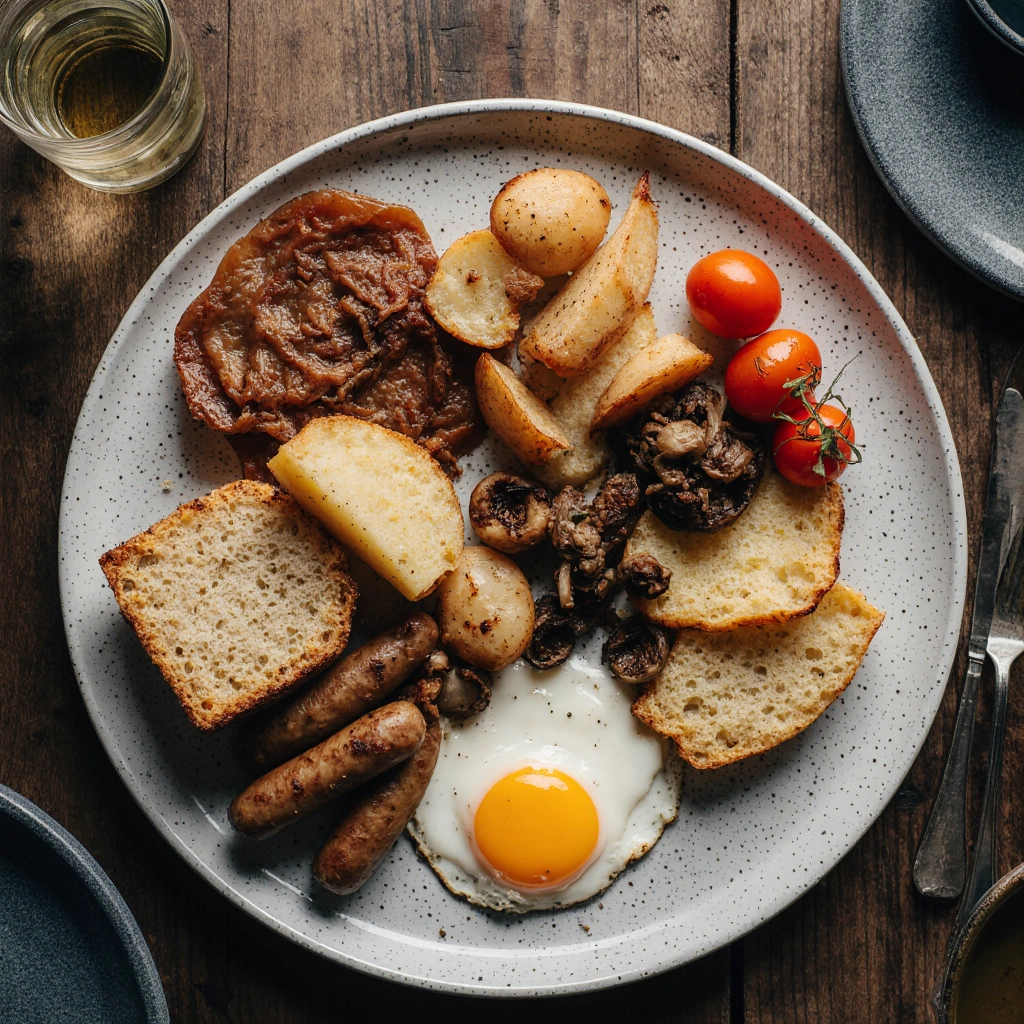
The Ulster Fry: Northern Ireland’s Pride
If there’s any regional version that stands out above the rest, it’s the Ulster Fry. You’ll see it everywhere in Northern Ireland—from Belfast cafés to small countryside inns. The Ulster Fry is known for being crispier, heavier on bread, and incredibly filling.
What Makes the Ulster Fry Unique
You’ll typically find:
- Soda farls – thick, triangular pieces of soda bread cooked on a griddle
- Potato farls – soft, pan-fried potato bread
- A crispier cooking style
- Slightly larger servings
The use of both soda bread and potato bread gives the meal a dense, comforting feel. If you’ve ever wondered why this version feels heavier yet incredibly satisfying, it’s because the breads soak up the pan flavors beautifully.
Dublin-Style Irish Breakfast
When you move toward Dublin, you’ll notice the breakfast plate becomes slightly lighter and more “modernized.” You still get all the iconic items—rashers, sausages, eggs, tomatoes, mushrooms—but the portions are often a little smaller, and the cooking style is cleaner.
What Makes Dublin’s Version Different
- Often less oily, with more controlled pan-frying
- Sometimes includes grilled ham or lighter sausages
- More cafés serve a “pared-down” version for quick breakfasts
- Beans may or may not be included, depending on the café
Dublin breakfasts lean toward a contemporary style, balancing tradition with urban preferences.
Cork & Kerry: A More Rustic Interpretation
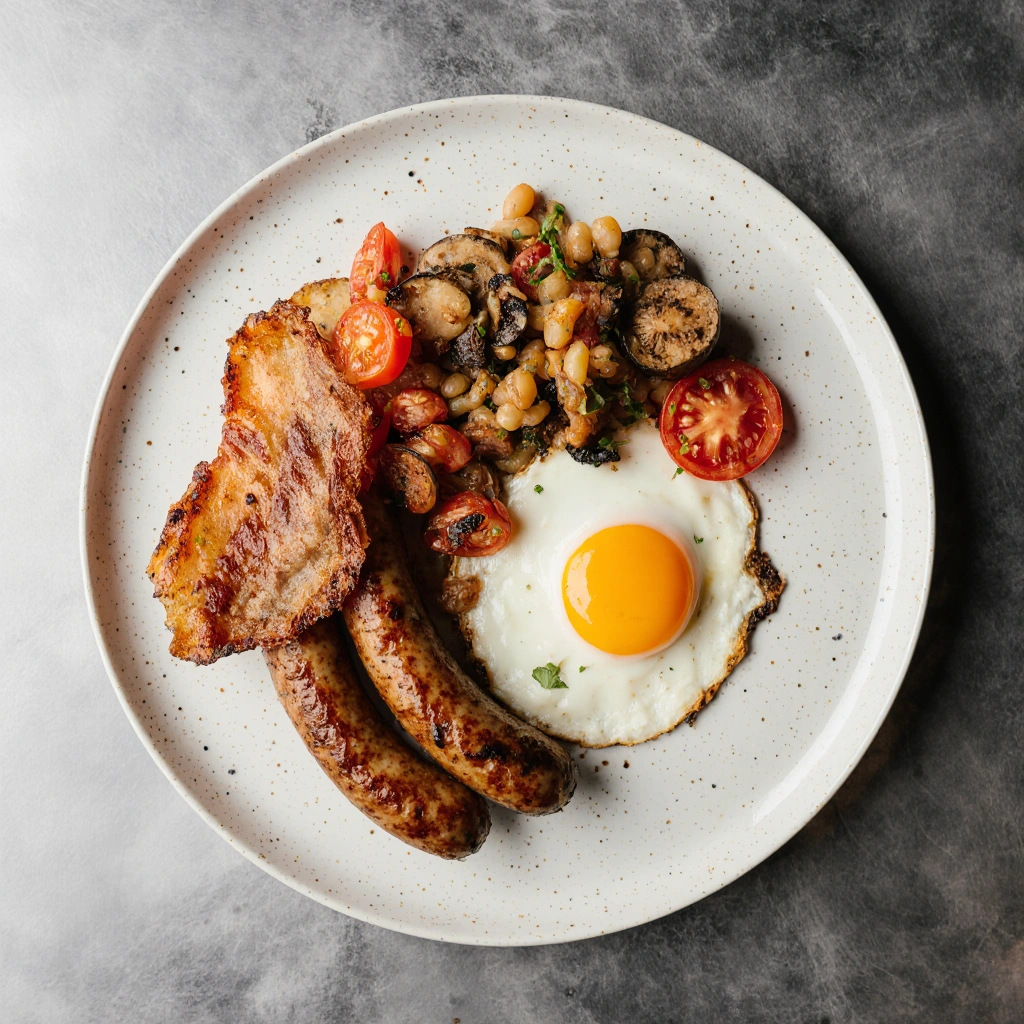
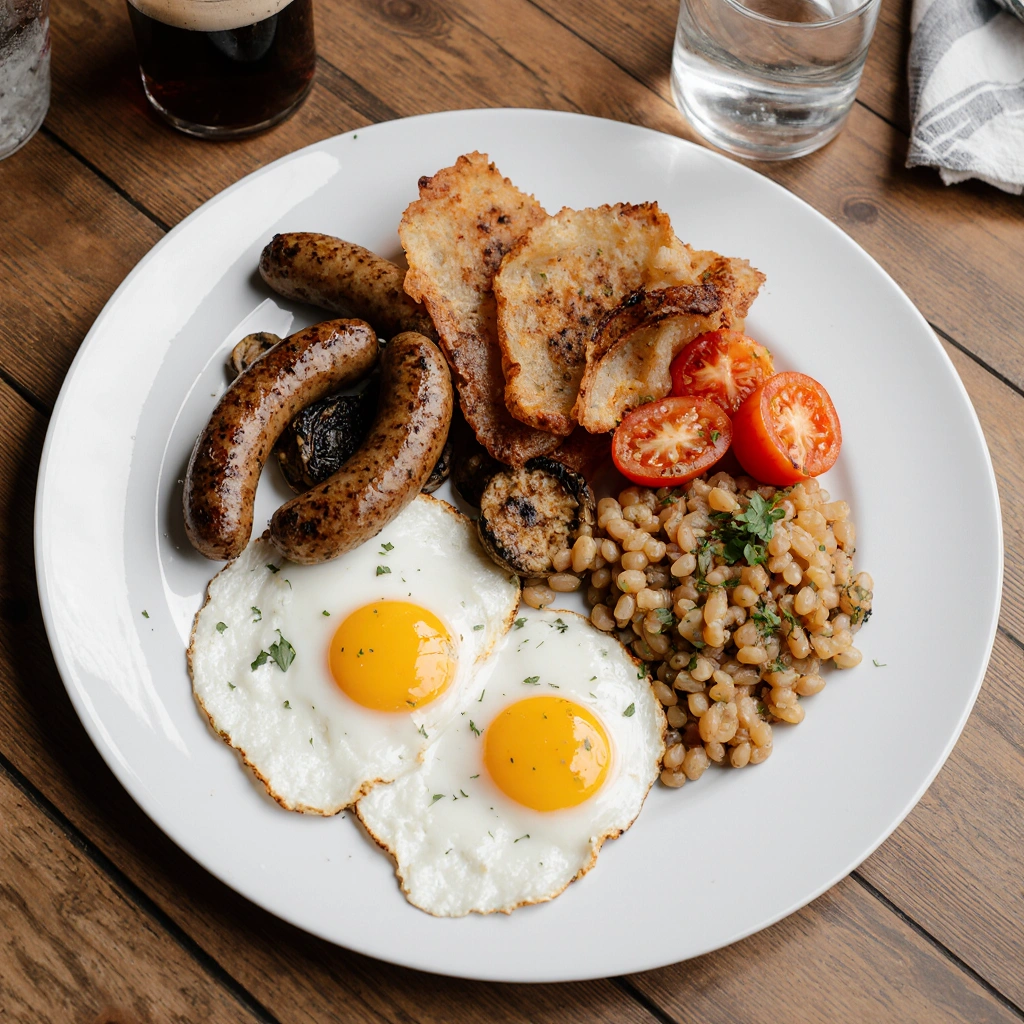
Down south, in counties like Cork and Kerry, the Irish breakfast takes a slightly more farmhouse, rural direction. You often get richer local meats and stronger flavors.
What You’ll Notice in Cork & Kerry
- Locally seasoned sausages
- Heartier black pudding, especially popular in Cork
- More generous use of butter for vegetables
- Sometimes includes fried potatoes or boxty
Because this region values local farms and butchers, the breakfast often tastes more homemade and intensely flavored. If you prefer deeper, savory notes, this might be your favorite version.
Health & Nutrition Notes
It’s no secret—an Irish breakfast is a substantial meal. Between the meats, eggs, and bread, you’re looking at a plate rich in calories and protein.
But you can lighten it:
- Bake rather than fry
- Reduce the number of meats
- Choose whole-grain bread
- Add more vegetables
You get the full experience without the full weight.
Serving Suggestions
To complete your plate, consider pairing it with:
Drinks
- Irish breakfast tea
- Fresh orange juice
Side Ideas
- Boxty (Irish potato pancake)
- Brown bread
- Extra grilled veggies
Frequently Asked Questions About Irish Breakfast
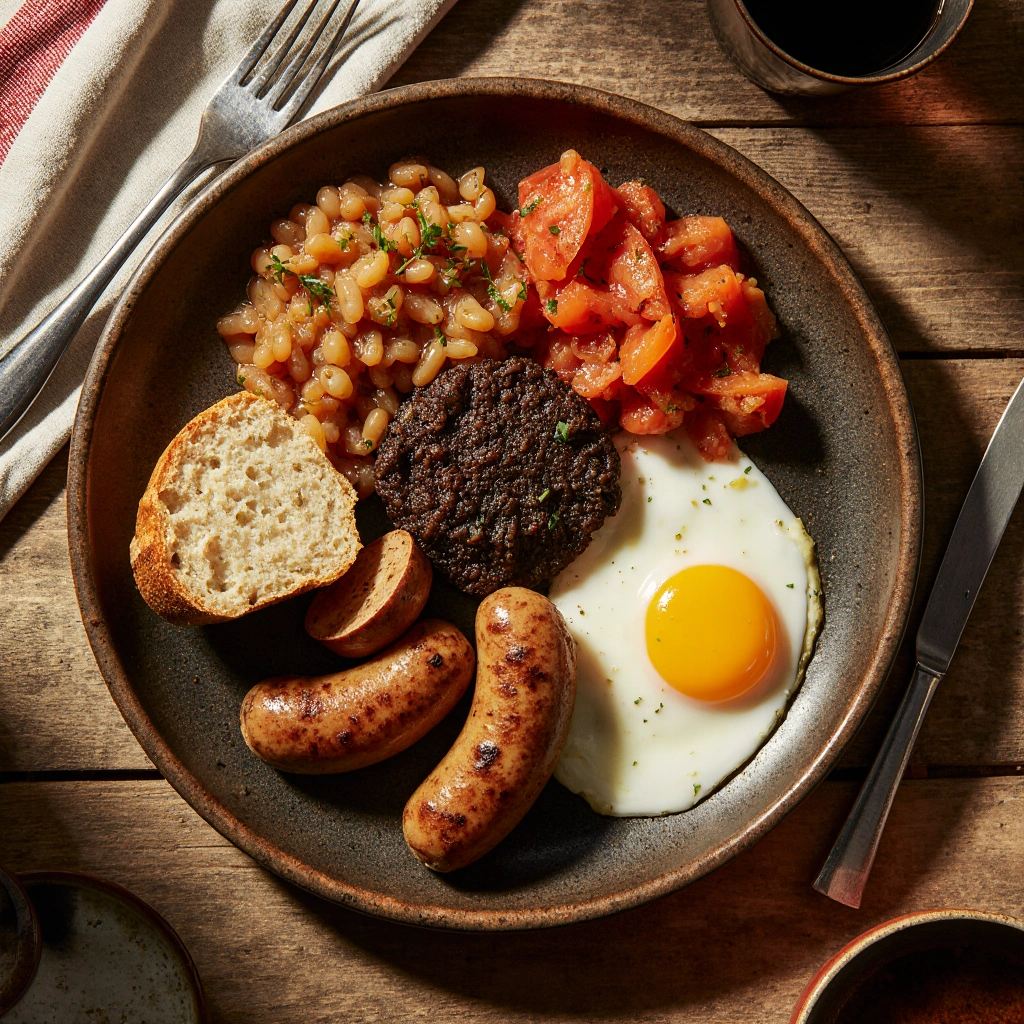
When you start exploring the world of hearty morning meals, you’ll quickly realize that the Irish breakfast comes with a lot of curiosity around it. Below, you’ll find clear, reader-friendly answers to the questions people ask most.
1. What is included in a traditional Irish breakfast?
A classic Irish breakfast usually gives you a full plate of protein-rich, satisfying foods. You’ll find items like rashers, sausages, black and white pudding, fried eggs, tomatoes, mushrooms, baked beans, and thick slices of toast or soda bread. Each part brings a different texture and flavor, so you end up with a balanced, comforting meal that keeps you energized for hours.
2. What makes an Irish breakfast different from a Full English?
When you compare a Full Irish breakfast vs Full English, the biggest difference lies in the black and white pudding, the bread choice, and the cooking style. You’ll often see soda bread or potato farls in Ireland instead of standard toast. Irish puddings also have their own texture profile and spice blend, giving the breakfast a deeper, earthier flavor. Despite their similarities, you’ll immediately taste the difference once you try both.
3. Is an Irish breakfast healthy?
It depends on how you approach it. A traditional Irish breakfast is hearty and filling, so it’s naturally higher in calories and fats. If you want a healthier version, you can grill instead of fry, add more vegetables, skip one of the puddings, or swap soda bread for whole-grain toast. You still get the authentic taste while keeping things lighter.
4. Can you make an Irish breakfast at home?
Absolutely—you don’t need to be in Ireland to enjoy it. You can recreate the full experience if you can get your hands on authentic sausages, rashers, and puddings. If not, you can still make a solid variation using whatever similar ingredients you have. The key is cooking everything slowly and seasoning lightly so the natural flavors shine through.
5. What drinks are usually served with Irish breakfast?
You’ll usually enjoy your plate with hot tea, often Irish breakfast tea or a strong black blend. Coffee works too, but tea is the classic pairing. If you want something more filling, you can add a glass of fresh orange juice. In some regions, people even enjoy buttermilk alongside their morning meal.
6. Is Irish breakfast served all day in Ireland?
You’ll find many cafés and pubs across Ireland that offer all-day Irish breakfast, especially in tourist areas. It’s a beloved dish, so people don’t just enjoy it early in the morning—it’s also popular as a mid-day hunger-buster or weekend comfort meal.
7. Why do black and white puddings matter so much?
These puddings are deeply rooted in Irish food culture. They bring a strong savory tone with their mix of spices and grains. When you add both puddings to your plate, you get a flavor you simply can’t replace with anything else, which is why many consider them essential parts of the meal.
8. What are some common substitutes if I can’t find Irish ingredients?
If Irish rashers or sausages aren’t available, you can use thick-cut bacon, breakfast sausages, or even turkey sausages. For soda bread, any dense, rustic loaf works well. As for puddings, there’s no perfect substitute, but you can use seasoned sausage patties or a grain-based sausage to get a somewhat similar texture.
9. How long does it take to cook a full Irish breakfast?
You can prepare everything in about 20–30 minutes if you cook smart—start with the sausages and puddings, then add the eggs, mushrooms, and tomatoes last. If you’re making soda bread from scratch, that will need extra time, but the breakfast itself is surprisingly quick.
10. Can an Irish breakfast be made vegetarian?
Yes—many people now enjoy a vegetarian Irish breakfast. You can use veggie sausages, meatless puddings, grilled mushrooms, tomatoes, beans, eggs, and toasted soda bread. You get the same hearty experience without the meat.
Conclusion
When you bring the Irish breakfast into your home, you’re not just trying a new recipe—you’re giving yourself a warm, grounding way to start the day. You get flavors that feel comforting, textures that satisfy, and a meal that brings a touch of Irish tradition to your own kitchen.
Whether you prepare the full classic version or customize a lighter plate, you get to experience one of the world’s most enduring morning meals.
And now that you know everything about it, you can create your own perfect version anytime.
Call to Action
If this guide helped you understand and appreciate the full Irish breakfast, take a moment to share it, bookmark it, or try cooking your own version this week. And if you want more deep-dive guides like this—whether for recipes, traditions, or food culture—don’t forget to explore more of our articles or join the conversation in the comments.